For many of us, getting dressed is a morning ritual – a quick zip, a button, and we are out the door. However, for millions of individuals living with disabilities, chronic pain, or limited mobility, this simple task can be a daily source of frustration. Traditional clothing tends to prioritize appearance over ease of wear. This trend leaves a gap for people with disabilities in the fashion market.
So, to make clothing inclusive for all, adaptive clothing in Vancouver, BC, has risen as a movement that combines style with functionality. It has changed the way we wear clothes by transforming “dressing up” from a stressful chore into a comfortable experience for the differently abled.
In this blog, we’ll explore how these innovative designs are making independence the most stylish trend of the season.
Why Has Adaptive Clothing in Vancouver Become Popular?
The reason why they have become popular is that they don’t look “medical.” Gone are the days of drab, hospital-style gowns; today’s adaptive wear includes everything from chic denim and office-ready blazers to elegant evening wear.
Adaptive clothes specifically made with features that simplify dressing for people with various physical challenges, like arthritis, sensory processing disorders, or those who are in wheelchairs. Although they look the same as traditional clothing on the outside, they hide clever modifications on the inside.
The Magic of Magnetic and Easy-Access Closures
One of the hardest aspects of traditional clothing is using tiny buttons and stiff zippers. For someone with limited manual dexterity or tremors, buttoning up a shirt can take a long time. Adaptive clothing in Vancouver, BC, solves this by replacing traditional fasteners with hidden magnets, Velcro, or easy-snap buttons that require minimal effort.
Seated-Wear Designs: Providing Comfort for Wheelchair Users
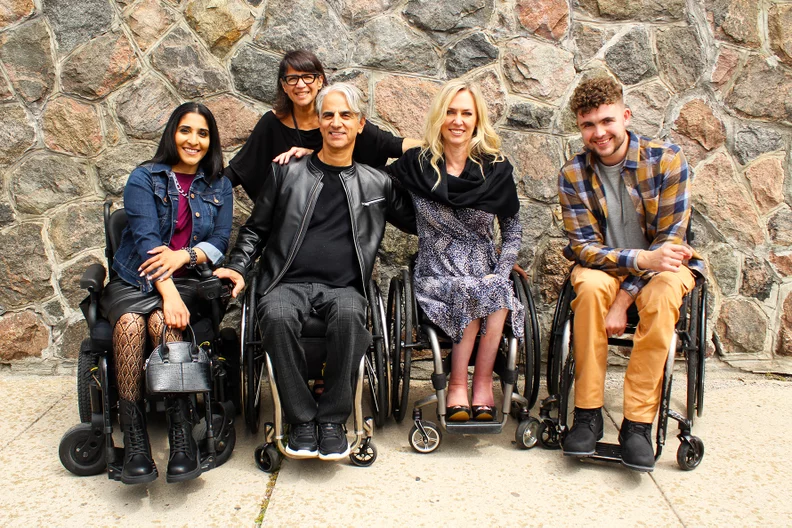
When the differently abled people have to sit for long periods of time, standard trousers can become uncomfortable for them, often bunching at the waist or pulling at the back. Adaptive designers have addressed this by creating “seated-wear” cuts, which feature a higher back rise and a lower front.
This ensures the pants stay in place and look just right while the individual is in the wheelchair.
Enhanced Independence
Independence is the foundation of confidence. Features like pull-on tops, pants with side openings, and snaps replace difficult buttons and zippers, allowing self-dressing for those with limited movement (arthritis, Parkinson’s, MS).
Increased Dignity & Privacy
Easy-access designs like open-back tops and seated-dressing options simplify dressing for caregivers but also preserve the wearer’s privacy and control, reducing vulnerability.
Improved Functionality
Flat seams, tagless designs, and specific cuts prevent skin irritation and improve fit, making clothes comfortable for all-day wear.
Confidence & Self-Expression
By offering fashionable, mainstream styles, adaptive clothing allows individuals to express their personality, fostering a positive self-image and belonging.
More Essential Features to Look For in Adaptive Wear
When shopping for adaptive clothing in Vancouver there are some more features that define high-quality clothes. These include:
- Reinforced loops: It is important to look for reinforced loops that assist with pulling up sleeves, as these provide leverage.
- Step-in designs: These allow individuals to dress without having to lift their arms over their heads, which is vital for those with shoulder injuries.
- Side-Open Trousers: Zippers or snaps on the side seams of these adaptive clothing in Vancouver, BC, help provide easy access to medical devices or easier dressing.
- Reinforced Pull-Up Loops: Hidden loops inside waistbands to help pull up pants with one hand.
- Elasticized Waists: Provides a flexible fit that accommodates changes in body size and comfort.
- One-Handed Zippers: Innovative zipper tracks that can be pulled using only one hand.
Why Adaptive Fashion is a Marketing Game-Changer
From a marketing perspective, adaptive clothing in Vancouver, BC, represents a shift toward true brand authenticity and social responsibility. Brands that embrace inclusive design are tapping into a loyal, underserved market that values representation. It isn’t just about selling a product; it’s about providing a solution that improves the quality of life on a larger, more inclusive scale.
Inclusive brands like Kayden Design Adaptive Clothing also resonate with the broader public, who increasingly prefer to opt for companies that support this change. By highlighting adaptive features, brands show that they value all customers equally.
| Feature | Traditional Clothing | Adaptive Clothing |
|---|---|---|
| Closures | Tiny buttons, stiff zippers | Magnets, Velcro, snaps |
| Seams | Can be thick and irritating | Flat-felled, sensory-friendly |
| Fit | Designed for standing | Specialized seated-wear cuts |
| Accessibility | Requires high dexterity | Easy-on, easy-off designs |
Making Comfort the Standard
The rise of adaptive clothing in Vancouver is a clear sign that the fashion industry is finally moving toward a more inclusive future. By using smart designs, they are breaking down the barriers that have long made dressing up a struggle for the differently abled.
Whether you are looking for yourself or a loved one, exploring adaptive options by Kayden Design Adaptive Clothing is a step toward a more comfortable and confident lifestyle. Visit their website and experience the difference they are making!