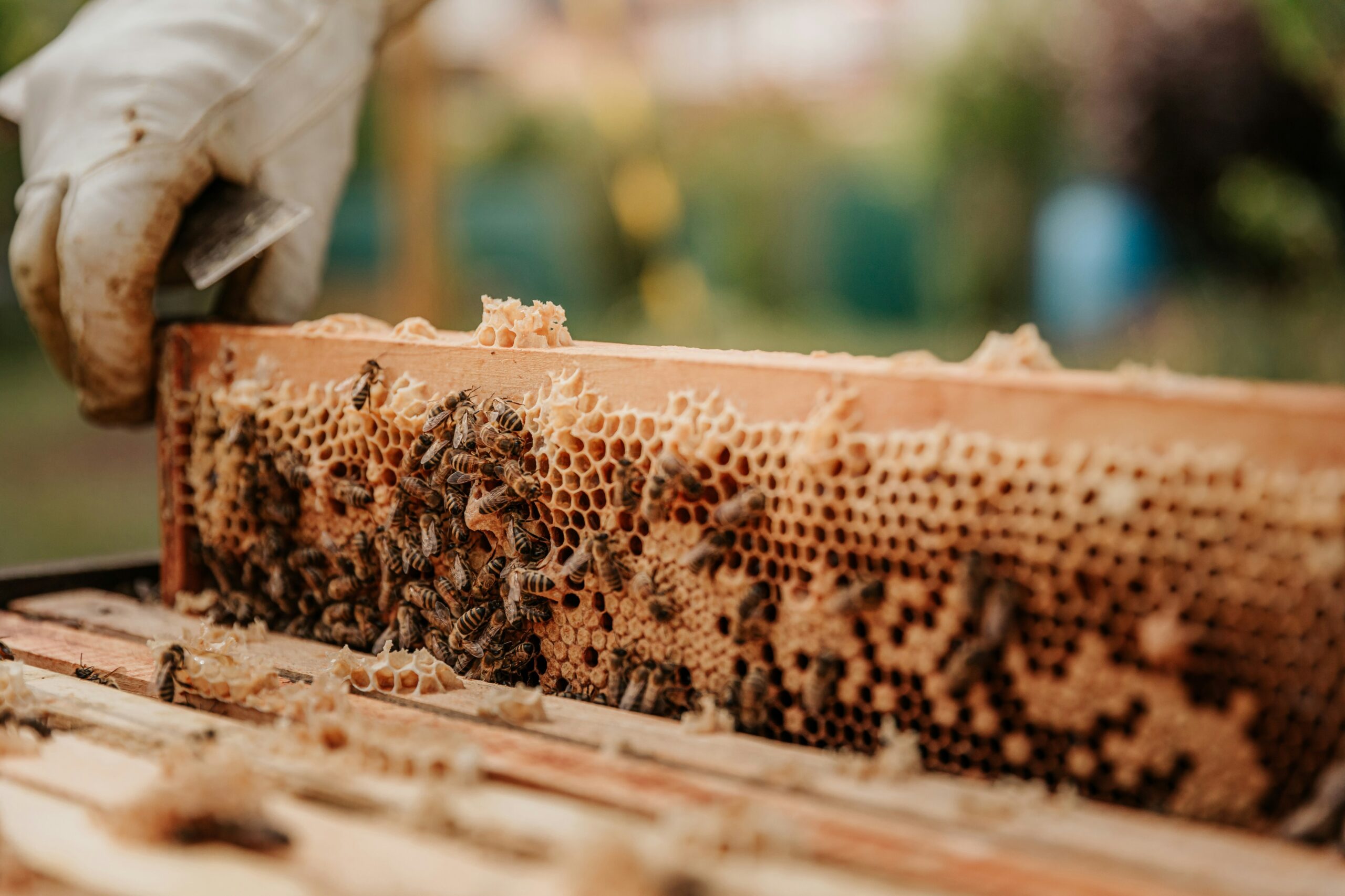
For beekeepers, from hobbyists to commercial producers, harvesting honey is one of the most exciting parts of beekeeping—but it’s also a stage that requires care, precision, and the right equipment. Among the most important beekeeping tools are honey extractors and honey storage tanks, which help transform the honey comb into clean, high-quality honey ready for bottling and sale.
What Is a Honey Extractor?
A honey extractor is a device used to remove honey from honeycomb frames without destroying the comb. Instead of crushing the honeycomb and losing valuable wax, the extractor uses centrifugal force to spin the frames and pull out honey gently. This not only preserves the comb for reuse but also helps maintain honey quality by reducing unnecessary heat and damage.
Honey extractors come in different sizes and types:
-
Manual extractors operate by hand, usually with a crank. They are ideal for small-scale or beginner beekeepers.
-
Electric extractors use motors to spin frames more smoothly and quickly. These are preferred by larger or commercial apiaries that need to process many frames at once.
-
Tangential extractors remove honey from one side of the frame at a time. They are simpler and often less expensive.
-
Radial extractors hold frames with the honey side facing outward, allowing honey to be extracted from both sides in one go. They are more efficient for larger harvests.
Regardless of size, a good honey extractor boosts productivity and protects the comb so your bees can reuse it for future honey production.
Why Honey Storage Tanks Matter
Once honey is extracted, it’s not ready to bottle immediately. Honey contains fine particles like wax bits and pollen that should be removed to produce clean, clear honey. This is where honey storage tanks become essential.
A honey storage tank is a large stainless-steel container designed to hold honey while it settles and clarifies. These tanks often include filters or settling chambers where air bubbles and debris rise to the top and can be removed. The result is smoother, clearer honey that’s more visually appealing and marketable.
Storage tanks also help regulate temperature. Consistent, cool temperatures allow honey to settle properly without fermentation or crystallization issues. In commercial operations, tanks may be equipped with valves or outlets that make it easy to fill jars without spills or contamination.
How Extractors and Tanks Work Together
The honey harvest process flows naturally from hive to jar:
-
Frame Removal – Beekeepers remove honey-filled frames from the hive.
-
Uncapping – The wax capping on each frame is sliced off using uncapping knives or forks.
-
Extraction – Frames are placed in the honey extractor where spinning removes the honey.
-
Settling – Extracted honey flows into a honey storage tank where it settles and clarifies.
-
Bottling – Once clear and free of debris, honey is transferred into glass jars or bottles for sale or storage.
This process ensures the honey you harvest is high quality, clean, and appealing to customers.
Benefits of Using the Right Equipment
Using a quality honey extractor helps maximize honey yield while preserving combs for reuse—which saves money and supports bee health. Extractors also reduce physical strain and time spent harvesting.
Honey storage tanks improve the final product by allowing natural clarification and settling. Clear, sediment-free honey sells better and attracts more customers. For businesses, this can have a direct impact on profitability.
High-quality tanks made of stainless steel are hygienic, easy to clean, and durable. Their design prevents contamination, maintains honey quality, and supports efficient bottling.
Choosing the Right Extractor and Storage Tank
When selecting a honey extractor, consider:
-
Capacity – How many frames you need to process at once.
-
Type – Manual for smaller operations; electric for larger ones.
-
Material – Stainless steel machines are hygienic and long-lasting.
For honey storage tanks, focus on:
-
Tank size – Matching your expected harvest volume.
-
Filtration – Whether you need built-in filters or settling features.
-
Temperature control – Tanks that help maintain ideal settling conditions.
Both extractors and storage tanks are long-term investments in your beekeeping operation. Choosing quality equipment can save time, increase efficiency, and produce better honey over the years.
Final Words
Honey extractors and honey storage tanks are indispensable tools for anyone serious about beekeeping. They make the harvest process efficient and protect the quality of your honey from hive to jar. Whether you are starting your first hive or expanding into commercial honey production, investing in solid extractors and storage tanks ensures that your honey stays pure, clean, and ready to delight customers and friends alike. With the right equipment, beekeeping becomes not only more productive but more rewarding too.