If you’re short on time and want a straight answer, here it is: the best time to do the Hampta Pass Trek is from late June to early October, with July to September being the sweet spot. That’s when the trail is accessible, the views are at their best, and the weather—while still unpredictable—is manageable.
Now let me break it down properly, based on what actually matters on the trail, not fluff.
Why Timing Matters on Hampta Pass
Hampta Pass isn’t a trek you can do whenever you feel like it. The pass sits at around 14,100 feet, and for most of the year, it’s buried under snow or cut off by bad weather. Choosing the wrong time doesn’t just ruin views—it can shut the trek down completely.
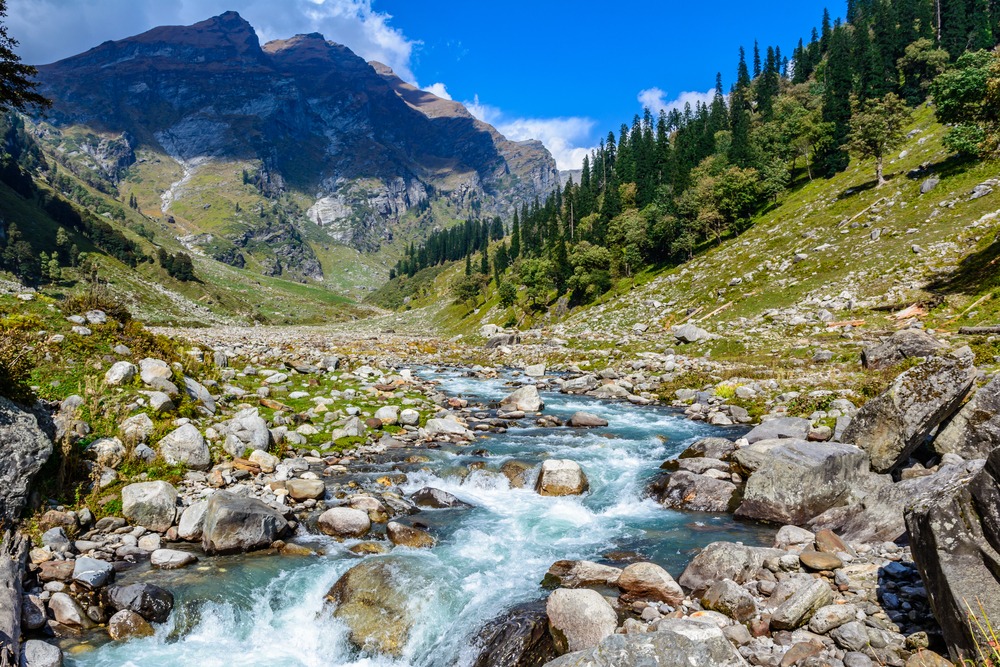
I’ve learned that Hampta is all about contrast: green Kullu valleys on one side and the cold desert of Lahaul on the other. But that contrast only shows itself when the snow starts melting and the trail opens up. That’s why timing isn’t optional here—it’s everything.
Best Time to Do Hampta Pass Trek (Month-by-Month Breakdown)
Late June to Early July – Snow and Drama
This is when the trek usually opens for the season.
-
Snow still covers the pass
-
River crossings are intense
-
Landscapes feel raw and dramatic
If you want that classic snow-walk experience—white slopes, icy winds, and adrenaline—this is the time. I’d only recommend this window if you’re reasonably fit and comfortable walking on snow. The trail can be demanding, and weather can flip quickly.This is also when having experienced local support really helps.
I noticed that groups trekking with teams like The Searching Souls—especially those opting for a hampta pass trek package—tend to handle logistics and safety confidently during early-season conditions, without making the experience feel commercial or rushed.
Best for: Adventure seekers, snow lovers, photographers
Not ideal for: First-time trekkers
Mid-July to August – Lush, Green, and Balanced
This is hands-down the most popular and most balanced time for Hampta Pass.
-
Snow reduces but still exists at the pass
-
Valleys turn bright green
-
Wildflowers bloom everywhere
-
Weather is relatively stable
Yes, it’s technically monsoon season, but Hampta sits in a rain-shadow transition zone. You’ll get rain in Kullu and dry conditions once you cross into Lahaul. That contrast is unreal and very much worth it.
This is the time I’d recommend to most people—especially if you want beauty without extreme difficulty.
Best for: First-timers, nature lovers, groups
Watch out for: Occasional rain and slippery trails
September to Early October – Clear Skies and Quiet Trails
If I had to pick a personal favorite, this would be it.
-
Clear skies and crisp air
-
Golden-brown landscapes
-
Fewer trekkers on the trail
-
Best mountain views
The greenery fades, but the views sharpen. Nights get colder, but days are pleasant. This is when Hampta feels peaceful and expansive rather than dramatic.
It’s also a great time if you want a more reflective trek—less noise, more space. I’ve noticed that smaller guided groups during this season tend to focus more on the experience rather than speed, which makes a big difference.
Best for: Experienced trekkers, solitude seekers
Not ideal for: Those who dislike cold nights
When I Would Avoid Hampta Pass
There are two periods I’d personally skip:
-
October end to May: The pass is closed due to heavy snow.
-
Early June: Trails are unstable, and conditions are unpredictable.
No matter how fit or enthusiastic you are, these months simply aren’t worth the risk.
Weather, Snow, and Trail Conditions
Hampta Pass weather changes fast. One minute it’s sunny, the next it’s snowing sideways. That’s normal here.
-
Day temperatures: 12°C to 18°C
-
Night temperatures: Can drop below 0°C
-
Winds at the pass: Strong and cold
Snow conditions vary every year, which is why updated local knowledge matters more than online forecasts. This is where experienced on-ground teams quietly add value—not by selling, but by adapting plans when conditions shift.
Who Each Season Is Best For
| Season | Best For |
|---|---|
| Late June–Early July | Snow lovers, adventure-focused trekkers |
| July–August | Beginners, scenic trekking, groups |
| September–Early October | Clear views, fewer crowds, experienced trekkers |
A Note on Going Guided
Hampta Pass isn’t technical, but it’s remote. Weather shifts, river crossings, and altitude can catch people off guard. I’ve found that trekking with experienced local operators—especially those who keep group sizes reasonable and focus on safety—makes the experience smoother.
Outfits like The Searching Souls operate quietly in this space, focusing more on trail ethics and experience than loud marketing. It’s the kind of support you notice only when things get tough—and that’s exactly how it should be.
Final Thoughts
If you’re planning Hampta Pass, don’t overthink it. July to September is your safest and most rewarding window. Choose earlier if you want snow, later if you want clarity and calm.
Pick the season that matches your trekking style, not Instagram trends. Hampta isn’t about rushing—it’s about crossing a landscape that changes character with every step.
Do it at the right time, and it stays with you long after the trek ends.