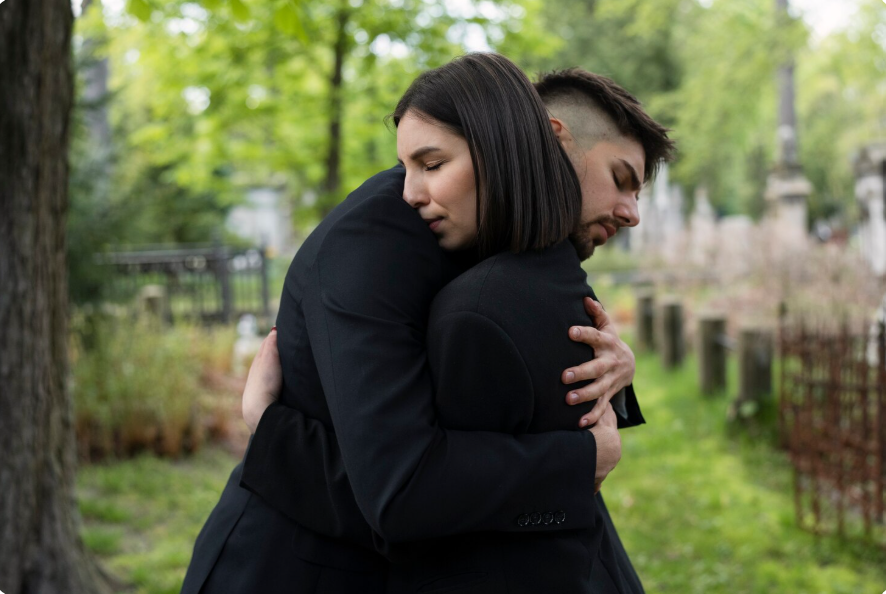
The loss of a spouse is one of the most profound and life-altering experiences a person can endure. When someone you shared your life, plans, and identity with is suddenly gone, the world can feel unfamiliar and painfully empty. Grief after losing a spouse is not just sadness—it is a complex emotional, mental, and physical response that touches every part of life.
According to Dr. Noah McArthur, spousal grief is unique because it involves the loss of companionship, shared identity, emotional safety, and future expectations all at once. Understanding this grief is the first step toward healing.
The Nature of Spousal Grief
Grief after losing a spouse often feels overwhelming because the loss affects daily life in constant ways. From waking up alone to making decisions independently, reminders of absence are everywhere. This type of grief is deeply personal and cannot be compared to other losses.
Common emotions include sadness, shock, anger, guilt, fear, and intense loneliness. Some widows and widowers also experience numbness or emotional detachment. Dr. Noah McArthur emphasizes that all of these reactions are normal responses to a life-shattering loss.
There is no “right” way to grieve—and no fixed timeline.
Why Grief Feels So Heavy
Spouses are often the primary emotional support system. Losing that support can make the world feel unsafe. Grief after losing a spouse is not only about missing someone—it is about adjusting to a reality where emotional security has been altered.
Many people struggle with questions like:
-
How do I move forward alone?
-
Who am I without my partner?
-
Will life ever feel meaningful again?
Dr. Noah McArthur explains that these questions are part of the mind’s attempt to make sense of loss, not signs of emotional weakness.
Physical and Emotional Effects of Grief
Grief after losing a spouse does not only affect emotions—it can also impact physical health. Fatigue, sleep disturbances, changes in appetite, difficulty concentrating, and weakened immunity are common.
Emotionally, grief often comes in waves. You may feel stable one moment and overwhelmed the next. These fluctuations can be confusing and frustrating, especially when others expect visible “progress.”
Dr. Noah McArthur reminds grieving spouses that healing is not linear. Emotional setbacks do not erase progress—they are part of the process.
Loneliness and Social Isolation
One of the most painful aspects of grief after losing a spouse is loneliness. Even when surrounded by people, the absence of your partner can feel isolating. Friends may not know how to offer support, and some relationships may change or fade.
It is important to seek connection in ways that feel safe and supportive. This may include grief counseling, support groups, faith communities, or simply one trusted person who listens without judgment. As Dr. Noah McArthur often notes, healing does not require a crowd—it requires understanding.
Guilt, Anger, and Unspoken Emotions
Many widows and widowers experience guilt or anger during grief. You may feel guilty for moments of relief or laughter, or angry about the unfairness of the loss. These emotions can be difficult to admit, but they are a natural part of grief after losing a spouse.
Suppressing these feelings can prolong emotional pain. Dr. Noah McArthur encourages individuals to allow space for all emotions—even the uncomfortable ones—because healing begins with honesty.
Learning to Live With the Loss
Over time, grief may soften, but it rarely disappears completely. Grief after losing a spouse evolves rather than ends. The pain may become less sharp, and memories may begin to bring comfort alongside sadness.
This stage is not about forgetting—it is about integration. You learn how to carry love and loss together while continuing to live. According to Dr. Noah McArthur, healing means allowing grief to become part of your story, not the whole story.
Finding Meaning and Gentle Hope
Many people eventually discover new meaning after loss. This does not mean the pain was worth it—it means the pain did not destroy the possibility of purpose. Some find healing through helping others, creative expression, faith, or personal growth.
Grief after losing a spouse can reshape priorities and deepen compassion. Hope may return slowly and quietly, but it often arrives when expectations are released and self-kindness is embraced.
A Personal Journey Without a Deadline
There is no finish line for grief. No deadline for healing. Grief after losing a spouse is a deeply individual journey, shaped by love, personality, and circumstance.
As Dr. Noah McArthur consistently reminds grieving individuals, the most important thing is patience—especially with yourself. Healing is not about moving on; it is about moving forward with love, memory, and resilience.
Even in the depth of grief, a meaningful life remains possible—one step, one breath, one day at a time.