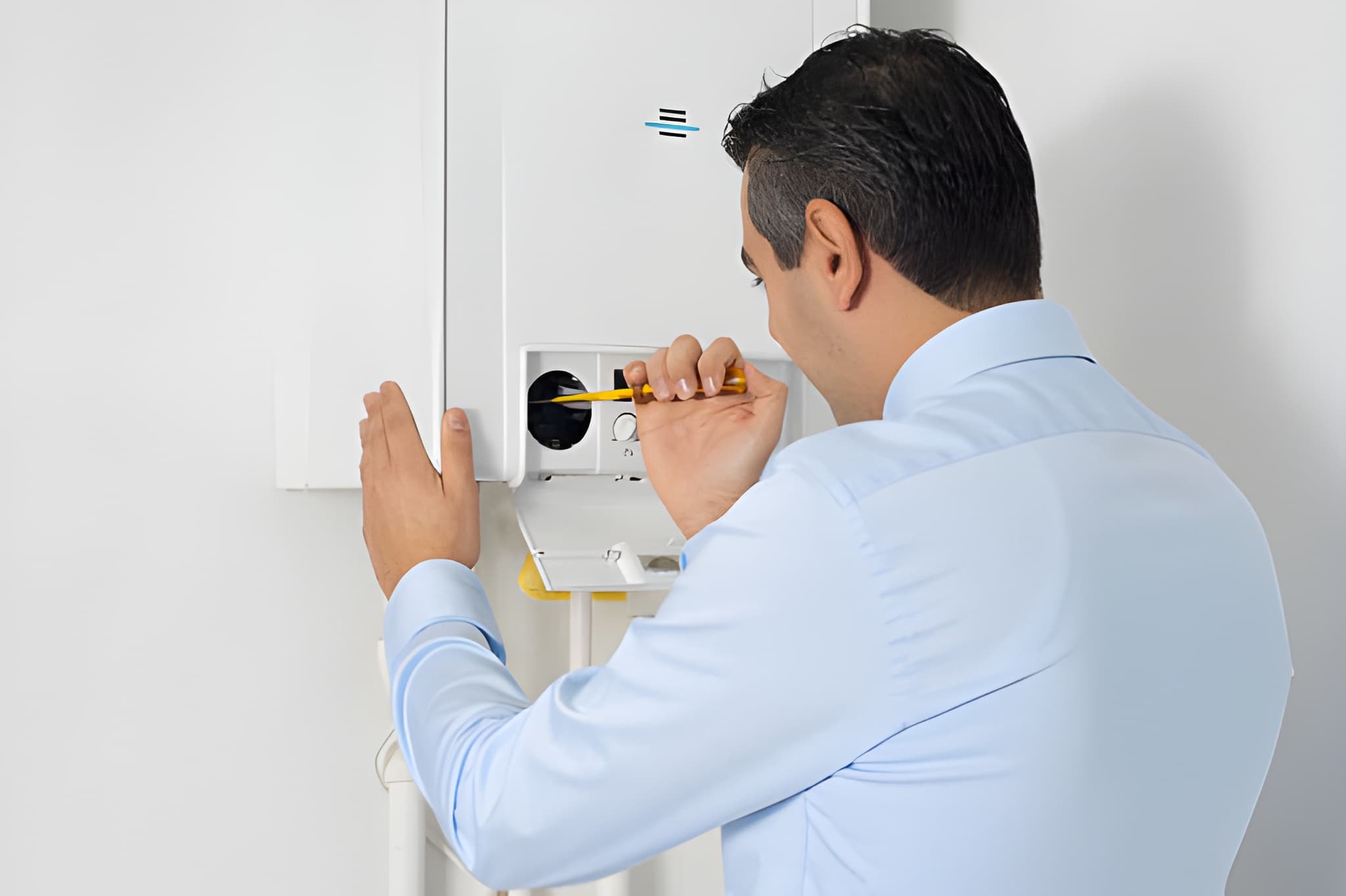
If you own or manage property in Islington, gas safety is not an abstract legal concept—it’s a practical, everyday responsibility shaped by the area’s housing stock, tenant turnover, and council oversight. From Georgian townhouses split into flats to post-war council estates and modern apartment blocks near Angel, gas systems in Islington vary widely in age and complexity.
That’s exactly why a Gas Safety Certificate in Islington needs to be approached with local knowledge, not box-ticking.
As someone who has spent years dealing with inspections across North London, I can say with confidence that gas safety here brings its own challenges—and getting it right protects tenants, landlords, and the long-term value of the property.
Why Gas Safety Matters More Than Ever in Islington
Islington has one of the highest rental densities in London. Many streets feature Victorian or Edwardian buildings that have been converted into multiple dwellings, often with altered pipework and shared gas supplies. Older installations aren’t unsafe by default, but they demand closer attention.
Carbon monoxide incidents, boiler breakdowns during winter, and poorly ventilated kitchens are not theoretical risks. They are issues engineers encounter regularly in this borough. A valid Gas Safety Certificate is often the difference between catching a fault early and dealing with an emergency later.
Local authorities also take compliance seriously. Islington Council has been proactive in enforcing housing standards, particularly in private rentals. Missed checks or incomplete records can quickly escalate into formal action.
What a Gas Safety Certificate Actually Covers (In Real Terms)
A Gas Safety Certificate isn’t about paperwork for its own sake. During a proper inspection, a Gas Safe registered engineer will check:
- Gas appliances such as boilers, cookers, and gas fires
- Flue routes and ventilation
- Gas pipework condition and tightness
- Safety devices and controls
- Signs of incomplete combustion or leaks
In an Islington flat, that might mean checking whether a boiler installed in a kitchen cupboard has adequate airflow, or whether a flue passing through a loft conversion has been compromised over time.
I’ve seen inspections where a certificate failed not because of a major defect, but because a small alteration—such as a sealed vent after refurbishment—created a serious risk.
Landlord Responsibilities Under UK Law
If you’re a landlord in Islington, your responsibilities are clear:
- Arrange a gas safety check every 12 months
- Use a Gas Safe registered engineer
- Provide tenants with a copy of the certificate within 28 days
- Keep records for at least two years
What’s often misunderstood is timing. The certificate must be renewed before it expires, not after. Delays caused by access issues or tenant availability are not accepted as excuses if enforcement comes knocking.
Many local landlords rely on services like gassafetycertificateuk.co.uk to keep inspections aligned with legal deadlines, particularly when managing multiple properties across the borough.
Islington’s Housing Stock: Why Inspections Are Rarely “Standard”
No two properties in Islington are alike. An engineer inspecting a maisonette near Highbury Fields faces different challenges from one working in a modern development around King’s Cross.
Common local issues include:
- Older boilers are still in service beyond recommended lifespans
- Flues altered during loft or rear extensions
- Shared gas meters with unclear appliance responsibility
- Inadequate ventilation after double-glazing upgrades
A thorough inspection takes these realities into account. A rushed or overly generic check often misses problems specific to older North London buildings.
Real Inspection Scenarios from Islington Properties
To give a clearer picture, here are examples based on real inspections:
Converted Victorian Terrace, N1
A boiler passed previous checks but failed when a new kitchen reduced airflow. The fix was simple—adding proper ventilation—but without the inspection, carbon monoxide risk would have gone unnoticed.
Ex-Council Flat, Holloway Road
The gas fire was capped but not properly sealed. It wasn’t in use, yet still posed a leak risk. Certification is required for correct decommissioning.
Modern Flat, Angel
A newly installed boiler was compliant, but incorrect condensate routing caused internal damp issues. Gas safety checks often highlight related problems beyond gas alone.
These are the kinds of findings that make the process worthwhile rather than frustrating.
Homeowners vs Landlords: Different Duties, Same Risks
Homeowners aren’t legally required to hold a Gas Safety Certificate, but many still arrange annual checks—and wisely so. Faults don’t discriminate based on tenure.
Landlords, however, have zero flexibility. Even a single missed year can invalidate insurance or create legal exposure. For portfolio landlords in Islington, structured compliance systems matter. This is where professional services such as gassafetycertificateuk.co.uk are commonly used to manage reminders, access coordination, and documentation.
How Often Should Checks Be Done?
Legally: once every 12 months.
Practically: annually at minimum, and sooner if:
- Appliances are over 10 years old
- Tenants report unusual smells or pilot light issues
- Renovation work has affected kitchens, flues, or walls
Winter breakdowns are far more disruptive than proactive inspections in late summer or early autumn.
Choosing the Right Engineer in Islington
Always check:
- Current Gas Safe registration
- Experience with older London properties
- Willingness to explain findings in plain English
A good engineer doesn’t just issue certificates—they help you understand your property better. Many landlords in the area prefer working with established local providers like gassafetycertificateuk.co.uk because familiarity with Islington’s housing quirks reduces surprises during inspections.
The Bigger Picture: Safety, Trust, and Property Value
Gas safety isn’t just compliance. Tenants are increasingly informed and expect transparency. Providing certificates on time builds trust and reduces disputes.
From a property perspective, documented safety checks support valuation, refinancing, and future sales. Surveyors regularly ask for maintenance records, and gaps raise red flags.
In an area as competitive as Islington, well-managed safety standards set professional landlords apart from the rest.
Frequently Asked Questions
How long does a gas safety inspection usually take?
Most checks take between 30 and 60 minutes, depending on the number of appliances and ease of access.
Can a tenant refuse access for a gas safety check?
Tenants can’t unreasonably refuse access, but landlords must make documented attempts to arrange entry.
What happens if an appliance fails the inspection?
The engineer will classify the issue and may disconnect the appliance if it’s unsafe. Repairs must be completed before certification.
Does a Gas Safety Certificate cover repairs?
No. The certificate confirms safety at the time of inspection. Any repairs are separate.
Are new boilers automatically compliant?
New installations still need to be checked as part of the annual inspection cycle.
Is a digital certificate acceptable?
Yes. Digital copies are valid as long as tenants can access them easily.