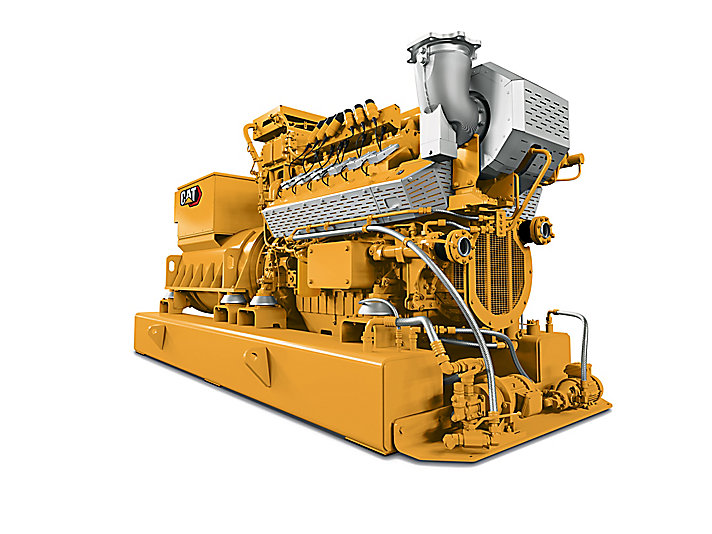
Anyone who has managed a major project in the UAE knows that a power cut isn’t just a nuisance—it’s a complete stop to the day’s work and a blow to your bottom line. In these moments, a gas engine generator is often the only thing standing between you and a massive delay. But picking up a gas engine generator for your site is only half the battle. If you don’t know how to set up your gas engine generator correctly, you’re looking at more than just a mechanical failure; you’re looking at a serious safety risk to your crew. Managing a gas engine generator on-site requires a solid plan for safety, especially when you’re dealing with the intense heat and unique environmental conditions found in Abu Dhabi, Dubai, and the Northern Emirates.
The reality is that while these machines are built to be workhorses, they are also complex pieces of equipment that handle combustible fuel and high-voltage electricity. When you skip a step in the safety manual, the consequences can be permanent. This guide is designed to cut through the technical jargon and give you the straightforward, “on-the-ground” rules you need to keep your power running and your people safe. Whether you are a site manager or an equipment operator, these installation and operation rules are your roadmap to a safer, more productive job site.
Gas Engine Generator Installation Safety Requirements
Proper installation is the foundation of everything else. You can’t just drop a unit in the corner of a yard and expect it to work perfectly without risks. The most critical factor when setting up your gas engine generator is ventilation. These engines produce carbon monoxide (CO), a gas that is invisible, odourless, and deadly. Many people think that putting a generator in a large warehouse or a partially open garage is fine, but CO can build up in pockets very quickly. You must always install the unit outdoors, away from windows, doors, or any air vents that could pull exhaust back into a workspace.
Next, you need to think about the physical ground the unit sits on. In the UAE, we deal with a lot of loose sand and shifting soil. A gas engine generator is a heavy piece of kit that vibrates significantly during operation. If you place it on soft ground, it can settle unevenly, putting massive stress on the frame and the internal connections. The best practice is to pour a dedicated concrete pad. This pad doesn’t just keep the unit level; it keeps it out of the dust and prevents moisture from the ground from seeping into the electrical housing during the humid winter months.
Don’t forget about “breathing room” for the engine. Our summer temperatures regularly climb past 45°C. If you tuck your unit into a tight corner to save space, the heat it generates has nowhere to go. You need at least a meter of clear space on every side of the machine. This allows for the airflow required to keep the cooling system from redlining. If the engine overheats, it will either shut down at the worst possible time or, in extreme cases, suffer a catastrophic failure that could lead to a fire.
Operating Your Gas Engine Generator Safely
Once the unit is in place, the day-to-day operation is where most accidents happen. The number one rule is that you should never, ever refuel a gas engine generator while it is running or even while it is still hot. It’s a common mistake: the fuel is low, the project is in a rush, and someone tries to top it off while the engine is humming. But if you spill even a few drops of gas on a hot exhaust manifold, it will ignite instantly. You must shut the machine down and let it sit for at least ten minutes to cool off before you even think about opening the fuel cap.
Another big factor is the weather. We don’t get rain often, but when it pours in the UAE, it can lead to flash flooding on job sites. Water and high-voltage electricity are a lethal combination. Unless your unit is protected by a specialised, weatherproof enclosure, you should never run it in standing water or during a surge. If the area around the generator is wet, you risk a “short circuit” that can fry the unit or, worse, electrocute anyone touching the frame. Always ensure the operator’s hands are dry and they are standing on a dry surface before they touch any of the control panels.
Finally, you have to be smart about the load you’re putting on the machine. Every gas engine generator has a maximum capacity, and pushing it past that limit is asking for trouble. Overloading leads to massive heat buildup and can damage the sensitive electronics in the equipment you are trying to power. Train your team to turn on high-draw equipment one at a time. If you flip everything on at once, the initial “surge” can trip the breakers or burn out the alternator.
Gas Engine Generator Maintenance and Inspection Protocols
Maintenance in a desert climate is a completely different animal than it is in Europe or North America. The fine “fines” or dust particles we have here are like sandpaper for an engine. For your gas engine generator, the air filter is its only defence. In the middle of a shamal (sandstorm), a filter can get choked in a single day. If that filter is clogged, the engine has to work much harder to “breathe,” which kills your fuel efficiency and causes the internal temperature to spike. You should be checking those filters daily, not monthly.
Oil is the lifeblood of the machine, and in the heat of the UAE, it breaks down faster. You need to use high-ambient temperature lubricants that are specifically rated for Middle Eastern conditions. Check the oil levels before every single start-up. It only takes thirty seconds with a dipstick to prevent a total engine seizure that could cost you tens of thousands of dirhams in repairs. Also, keep an eye on the battery. Our heat saps the life out of batteries; if the unit has been sitting idle for a week, there’s a good chance the battery won’t have enough “kick” to start the engine when you really need it.
Hoses and belts are the “hidden” dangers. The intense UV rays from the sun can make rubber brittle and prone to cracking. Every week, do a walk-around and look for “alligatoring” or tiny cracks on the fuel lines and fan belts. If a fuel line snaps while the engine is running, you’ve got a high-pressure spray of flammable liquid hitting a hot engine—that’s a recipe for a site-wide emergency. Replacing a twenty-dirham hose today is much better than replacing an entire generator tomorrow.
Frequently Asked Questions About Gas Engine Generators
Why is my generator blowing black smoke? Usually, this means the air-to-fuel ratio is off. In the UAE, the most common reason is a clogged air filter. The engine isn’t getting enough air, so it’s burning too much fuel, which causes the smoke. Clean or replace the filter immediately.
Can I use a standard extension cord with my generator? Only if it is a heavy-duty, outdoor-rated cord that can handle the specific amperage of your equipment. Using a cheap, thin cord will cause the cord to overheat and potentially melt, which is a major fire hazard on a construction site.
How often should I change the spark plugs? In this region, we recommend checking them every 100 hours of operation. If they look “fouled” or have black carbon buildup, swap them out. Fresh plugs ensure the engine starts quickly and runs smoothly without wasting fuel.
Is it okay to leave the fuel in the tank for a long time? No. In the heat, fuel can “varnish” or turn into a gummy substance that clogs the carburettor and fuel lines. If the generator is going to sit for more than a month, either drain the tank or use a fuel stabilizer to keep the liquid fresh.
Al-Bahar: Your Trusted Partner for Industrial Equipment Solutions
Getting the right power solution is about more than just buying a machine; it’s about having a partner who knows exactly what it takes to operate in the UAE. Whether you are in the construction, energy, or transportation industries, you need equipment that is “Middle East Spec” and built to last.
Al-Bahar is a leading supplier in the construction equipment, energy, and transportation industries, providing world-class Cat® power solutions that are designed to handle our heat and dust. We don’t just sell you a gas engine generator; we provide the expert installation, the genuine parts, and the 24/7 service support that keeps the Emirates moving. From massive power plants to compact materials handling products, Al-Bahar is the name you can trust for quality and reliability.