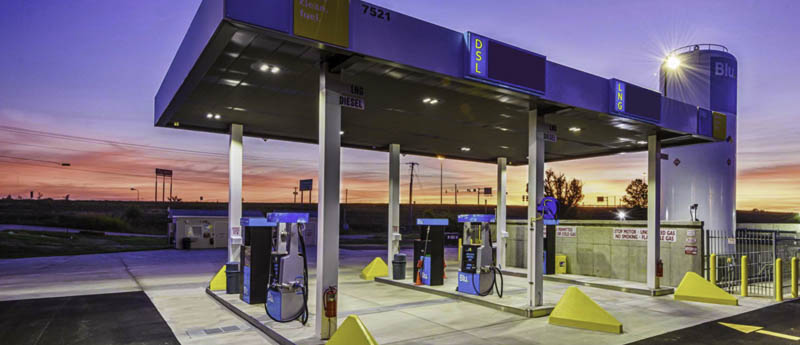
A fuel station construction project initiated by a commercial developer encountered permit delays, safety modifications, and rising costs within weeks.
The problem was not the location or the budget; it was the contractor. Such projects highlight why fuel stations are one of the most complicated commercial builds out there.
In this guide, you will discover how reputed developers screen contractors, what actually makes the difference between an average contractor and an industry leader. You will understand how to reduce risk and retain the value of long-term assets. This will assist you in making informed business-level decisions prior to construction.
Why Fuel Station Construction is a High-Risk Commercial Project
Environmental and Regulatory Exposure in Fuel Infrastructure
Fuel stations include underground storage tanks, soil protection, vapor recovery, and spill prevention systems. Each element has an environmental liability that is far greater than most retail construction projects.
Safety Systems That Exceed Standard Commercial Builds
Fuel stations require fire suppression systems, emergency shutoffs, and hazardous materials controls. Mistakes can result in shutdowns, fines, or long-term remediation costs.
Fuel Stations as Regulated Infrastructure
Unlike most commercial sites, fuel stations are under constant regulatory oversight. This reality requires contractors who are aware of compliance as an ongoing duty.
How Commercial Developers Define the Best Contractors for Fuel Station Construction
Proven Experience with Regulated Projects
Top-tier contractors showcase a portfolio of completed fuel or industrial projects rather than just general commercial structures.
Integrated Civil, Structural, and MEP Coordination
A fuel station project necessitates precise coordination across various disciplines. Misalignment typically causes rework and delays.
Compliance Planning as Risk Management
The best contractors treat compliance as a planning discipline, where the regulatory requirements are incorporated into the schedule and budget.
Accountability Beyond Project Handover
Commercial-grade contractors remain accountable through inspections, testing, and operational readiness, not just construction.
Specialist Fuel Contractors vs Commercial General Contractors
When Specialist Fuel Contractors Are the Right Choice
Specialists possess in-depth technical knowledge of tanks, piping, and fueling systems, making them quite useful for complicated retrofits.
When Commercial and Industrial General Contractors Deliver Greater Value
For multi-site developments or integrated commercial assets, experienced general contractors have much stronger oversight and scalability.
Scalability and Long-Term Risk Considerations
Commercial developers value partners who can standardize processes across locations while managing risk.
Real-World Case Studies from Fuel Station Projects
Multi-Site Rollout for a Regional Developer
A developer planning five stations across several states contracted with a commercial general contractor with experience working on regulated infrastructure. Early compliance coordination helped shorten approval timelines and reduce design revisions.
Compliance Failure Due to Inexperienced Contractor Selection
In another project, a low-bid contractor underestimated environmental controls. The result was months of delay, redesign costs, and regulatory penalties.
Lifecycle Cost Savings Through Industrial Planning
A fuel station constructed with industrial-level materials and systems needed fewer repairs over ten years and provided measurable savings in exchange for a higher upfront cost.
Commercial Evaluation Table for Fuel Station Contractors
| Evaluation Criteria | Average Contractor | Commercial-Grade Contractor |
| Regulatory Strategy | Reactive | Proactive and Documented |
| Safety Systems | Minimum compliance | Industrial-level Standards |
| Cost Approach | Lowest upfront bid | Lifecycle Value Planning |
| Project Scale | Single-site focus | Multi-site Capable |
| Risk Management | Limited | Integrated and Ongoing |
Cost vs Long-Term Value in Fuel Station Construction
Why Low-Bid Projects Often Fail
Low bids often do not include compliance coordination, resulting in expensive changes later.
Maintenance and Retrofit Implications
Poor early decisions lead to higher long-term maintenance costs and operational downtime.
Viewing Fuel Stations as Long-Term Commercial Assets
Developers who prioritize durability and compliance protect both revenue and reputation over the asset’s lifespan.
Key Takeaways
- Fuel stations require industrial-level expertise.
- Contractor quality has a direct effect on compliance and cost.
- Lifecycle value is more important than the initial price.
- Structured evaluation frameworks are better than simple contractor lists.
Final Verdict
Fuel station projects are successful where the emphasis is on safety, compliance, and long-term outcomes – not on speeds and costs.
Using a commercial evaluation framework, decision-makers can hire professional contractors like Arrant Construction for fuel station construction and avoid setbacks that derail complex infrastructure projects.
Frequently Asked Questions (FAQs)
What qualifications should commercial fuel station contractors have?
The best contractors for fuel station construction should demonstrate experience with regulated infrastructure, safety systems, and environmental compliance, as well as a strong track record.
How long does commercial fuel station construction typically take?
Timelines vary, but most projects take several months when permitting, compliance reviews, and commissioning are appropriately planned.
Are fuel stations considered industrial construction projects?
Yes. Because of the presence of hazardous materials and regulatory oversight, fuel stations tend to align more closely with industrial standards than retail construction.
What are the most significant compliance risks in fuel station construction?
Environmental violations, fire safety failures, and improper tank installation are some of the most significant risks.
How should developers compare fuel station construction bids?
In addition to price, bids should be evaluated based on compliance planning, safety systems, and lifecycle costs alongside demonstrated experience.