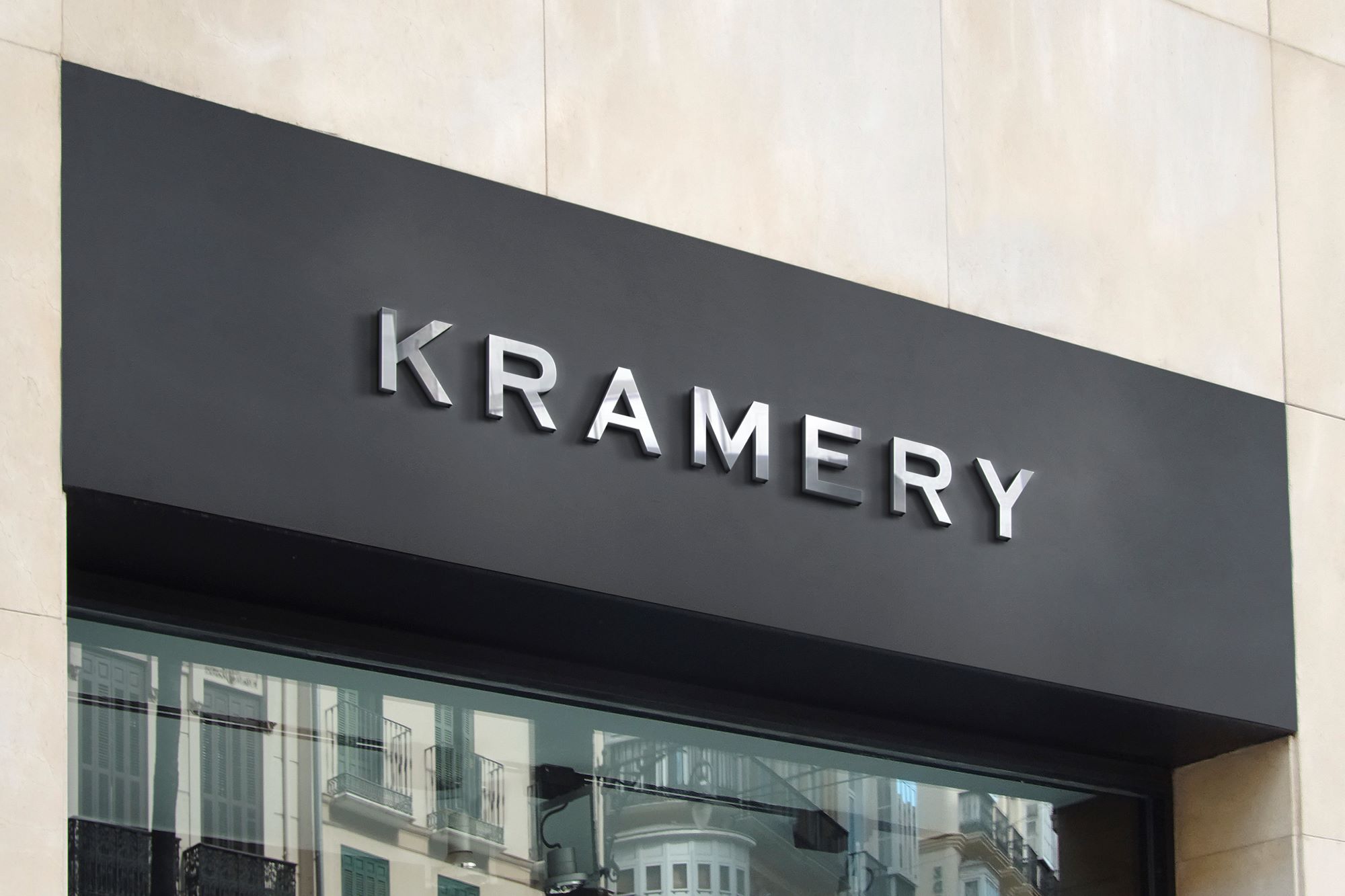
In a fast-paced, visually competitive market like Dallas, a storefront sign does far more than display a business name—it defines first impressions, communicates brand credibility, and drives foot traffic before a customer ever opens the door. From Deep Ellum boutiques and Uptown restaurants to retail centers in Plano and Irving, businesses across North Texas rely on high-quality signage to stand out in crowded commercial corridors.
Creating effective Storefront Signs in Dallas is not a one-step task. It is a strategic, multi-phase process that blends branding, design expertise, engineering, local regulations, and professional installation. When done correctly, the result is a powerful visual asset that works for your business 24/7.
This article walks through the complete lifecycle of Custom Storefront Signs, from the initial idea to final installation, helping business owners understand what goes into signage that truly performs in the Dallas market.
Understanding the Purpose of a Storefront Sign
Before design sketches or material samples come into play, the process begins with clarity of purpose. A storefront sign must answer several key questions:
-
Who is the target audience?
-
What message should be communicated instantly?
-
How should the brand be perceived—modern, premium, approachable, bold, or minimalist?
-
Where will the sign be viewed from—foot traffic, slow city traffic, or highways?
In Dallas and surrounding areas like Richardson, Garland, and Carrollton, storefront visibility varies dramatically depending on zoning, street width, and architectural styles. A sign that works in a historic district may need a completely different approach than one in a newly developed retail plaza.
Step 1: Initial Consultation and Brand Discovery
Every successful signage project begins with a detailed consultation. This stage aligns the business owner’s goals with visual strategy and technical feasibility.
During this phase, professionals evaluate:
-
Brand identity (logo, colors, typography)
-
Competitive landscape in Dallas and nearby markets
-
Building façade dimensions and architectural constraints
-
Visibility angles and lighting conditions
-
Budget considerations and timeline expectations
This discovery phase ensures that Custom Storefront Signs are not generic templates, but purpose-built branding tools tailored to the business and its physical location.
Step 2: Site Survey and Location Analysis
Dallas is a city of diverse commercial environments—from historic brick storefronts to glass-heavy modern developments. A physical site survey is essential to understand how the sign will integrate with the building.
Key factors analyzed include:
-
Mounting surface material (brick, stucco, metal, glass)
-
Electrical access for illuminated signage
-
Viewing distance and line-of-sight obstructions
-
Local wind load and weather exposure
-
Existing signage or landlord restrictions
Businesses in nearby cities like Mesquite or Farmers Branch may also face different municipal requirements, making local knowledge critical during this stage.
Step 3: Concept Development and Design Strategy
Once research and site data are gathered, the creative phase begins. Designers translate brand values into visual concepts that balance aesthetics, readability, and compliance.
Design development typically includes:
-
Typography selection optimized for distance readability
-
Color contrast testing for day and night visibility
-
Logo adaptation for physical signage
-
Scaled mockups showing real-world placement
-
Illumination style selection (front-lit, halo-lit, or non-illuminated)
Effective Storefront Signs in Dallas must compete visually without overwhelming the architecture. The goal is clarity, not clutter—ensuring the sign enhances the building rather than fighting it.
Step 4: Choosing the Right Sign Type
Not all storefront signs serve the same function. Selecting the right format depends on brand goals, building structure, and local ordinances.
Common storefront sign types include:
Channel Letter Signs
Three-dimensional letters with internal LED lighting, popular throughout Dallas retail corridors due to high visibility and professional appearance.
Cabinet (Box) Signs
Enclosed signs with internal illumination, often used in shopping centers where uniformity is required.
Dimensional Letters
Non-illuminated or externally lit letters that provide a clean, upscale look for offices and boutiques.
Blade and Projecting Signs
Ideal for pedestrian-heavy areas like downtown Dallas, where visibility from sidewalks is crucial.
Each option offers distinct advantages depending on location and brand positioning.
Step 5: Material Selection and Engineering
The Dallas climate—hot summers, UV exposure, and occasional storms—demands durable materials engineered for longevity.
Commonly used materials include:
-
Aluminum for lightweight strength and corrosion resistance
-
Acrylic for vibrant, long-lasting color
-
Stainless steel for premium aesthetics
-
LED modules for energy-efficient illumination
Engineering ensures that Custom Storefront Signs meet structural safety standards while maintaining visual integrity over time.
Step 6: Permits and Code Compliance
One of the most critical—and often overlooked—steps is navigating local signage regulations. Dallas and surrounding municipalities enforce strict sign codes governing:
-
Size and projection limits
-
Illumination brightness and animation
-
Placement height and setback requirements
-
Historic district design standards
Working with an experienced sign company in dallas helps avoid costly delays, rejections, or forced redesigns due to non-compliance.
Step 7: Fabrication and Quality Control
Once permits are approved, the project moves into fabrication. This is where designs become physical assets.
Fabrication includes:
-
Precision cutting and forming
-
Painting or vinyl application
-
LED installation and wiring
-
Structural reinforcement
-
Pre-installation testing
Reputable providers, including SpeedPro Dallas, prioritize quality control to ensure consistency between the approved design and the finished product.
Step 8: Professional Installation
Installation is the final—and most visible—stage of the process. Proper installation ensures safety, alignment, and long-term performance.
Installation teams handle:
-
Secure mounting and anchoring
-
Electrical connections and testing
-
Final leveling and positioning
-
Site cleanup and inspection
Whether in Dallas proper or nearby areas like Plano and Irving, professional installation ensures the sign looks exactly as intended from every angle.
Step 9: Final Inspection and Long-Term Maintenance
After installation, a final inspection verifies compliance, functionality, and visual accuracy. Business owners are often provided with maintenance guidance to extend the lifespan of their storefront sign.
Routine maintenance may include:
-
LED performance checks
-
Cleaning schedules
-
Fastener inspections
-
Color and finish assessments
High-quality storefront signage remains an asset for years when properly maintained.
Why Custom Storefront Signs Matter in Dallas
Dallas is a city of constant growth, new businesses, and evolving commercial districts. In such a competitive environment, signage is not an expense—it is an investment in visibility and brand recognition.
Professionally executed Storefront Signs in Dallas help businesses:
-
Increase walk-in traffic
-
Strengthen brand recall
-
Communicate professionalism and trust
-
Compete effectively in crowded markets
Companies like SpeedPro Dallas understand that successful signage is the result of strategy, craftsmanship, and local expertise working together.
Frequently Asked Questions (FAQs)
1. How long does it take to create a custom storefront sign in Dallas?
The full process typically takes 4–8 weeks, depending on design complexity, permitting timelines, and fabrication requirements.
2. Do storefront signs require permits in Dallas?
Yes. Most permanent exterior signs require city approval, and regulations may vary between Dallas and nearby municipalities.
3. What is the most popular type of storefront sign?
Channel letter signs are widely used due to their visibility, energy efficiency, and professional appearance.
4. Can I customize my storefront sign to match my brand exactly?
Absolutely. Custom Storefront Signs are designed to align with your logo, colors, and brand personality.
5. How long do storefront signs last?
With quality materials and proper maintenance, storefront signs can last 7–10 years or more.
6. Are illuminated signs expensive to maintain?
Modern LED lighting is energy-efficient and low-maintenance, making illuminated signs cost-effective over time.