Modern warehouses are fast-paced environments where efficiency, safety, and smart space utilization matter more than ever. Forklifts play a central role in daily operations, helping move goods quickly, reduce manual effort, and keep workflows organized. With the growth of e-commerce, manufacturing, and global logistics, different forklift types have been developed to handle specific tasks. Understanding these forklift types and their uses helps warehouses choose the right equipment for smooth and cost-effective operations.
Counterbalance Forklifts: The Warehouse Workhorse
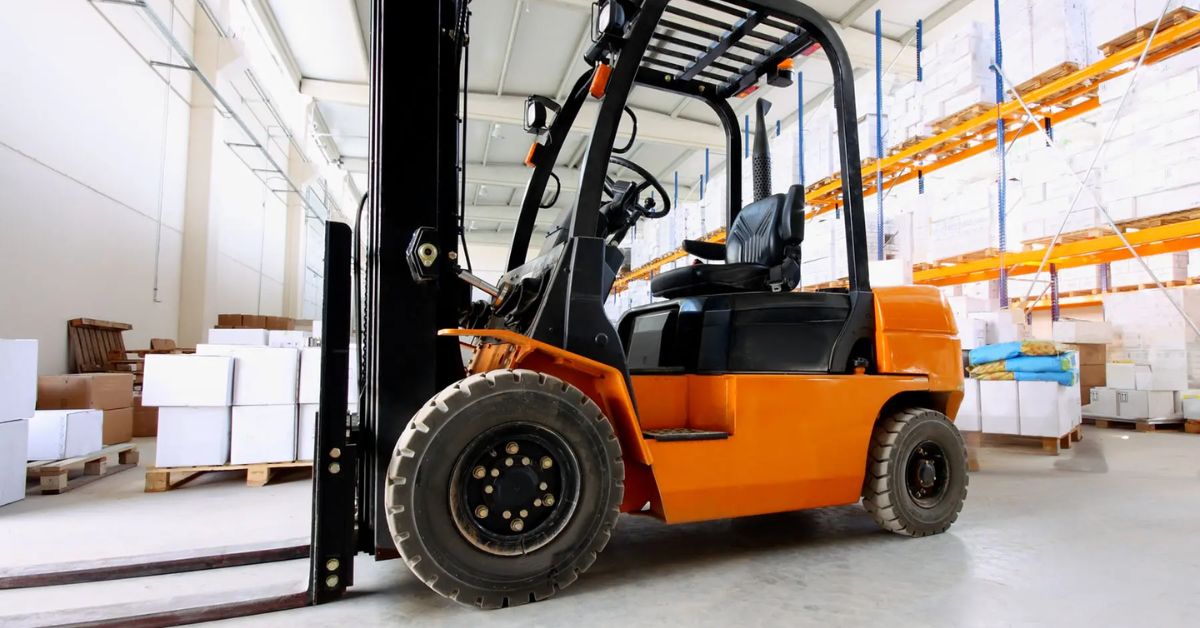
Counterbalance forklifts are among the most commonly used machines in warehouses. They feature forks at the front and a counterweight at the rear to balance heavy loads. These forklifts are ideal for loading and unloading pallets, stacking goods, and short-distance transportation. Their simple design makes them easy to operate, especially in warehouses with wide aisles and straightforward material flow.
Reach Trucks: Maximizing Vertical Storage
As warehouses expand upward to save floor space, reach trucks have become increasingly important. These forklifts are designed to operate in narrow aisles and lift loads to significant heights. With extending forks and compact frames, reach trucks are perfect for high-rack storage systems. They allow warehouses to increase storage density without compromising accessibility.
Side Loader Forklift: Handling Long and Bulky Loads
When warehouses deal with long, heavy, or awkward materials such as timber, pipes, or metal profiles, a Side Loader Forklift becomes essential. Unlike traditional forklifts, this type carries loads on its side, allowing it to move efficiently through narrow aisles without requiring extra turning space. This makes it especially useful in industries like steel, construction materials, and manufacturing, where load length can be a challenge.
Pallet Jacks and Walkie Stackers: Compact and Cost-Effective
For smaller warehouses or lighter tasks, pallet jacks and walkie stackers offer a practical solution. Manual or electric pallet jacks are used for short-distance movement of palletized goods, while walkie stackers provide basic lifting and stacking capabilities. These options are cost-effective, easy to maintain, and ideal for low-volume operations or tight spaces.
Rough Terrain Forklifts: Built for Tough Conditions
Not all warehouses operate on smooth indoor floors. Rough terrain forklifts are designed for outdoor yards, construction sites, and uneven surfaces. With large tires and powerful engines, they can handle heavy loads in challenging conditions. Warehouses that combine indoor storage with outdoor handling often rely on this type for flexibility and durability.
Multi-Directional Forklift: Flexibility in Confined Spaces
As warehouse layouts become more complex, flexibility in movement is crucial. A Multi-Directional Forklift can move forward, backward, sideways, and even rotate in place. This capability allows operators to handle long and bulky loads efficiently in very tight spaces. It is especially valuable in modern warehouses aiming to reduce aisle width while maintaining high productivity.
Conclusion
Choosing the right forklift is not just about lifting capacity—it’s about matching the equipment to the warehouse layout, load type, and operational needs. From standard counterbalance models to specialized options like side loaders and multi-directional forklifts, each type serves a specific purpose. By understanding forklift types and their uses, modern warehouses can improve efficiency, enhance safety, and stay competitive in an increasingly demanding logistics landscape.