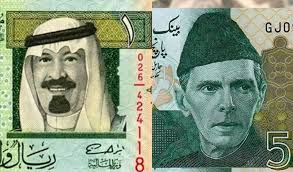
Riyal to PKR
Currency exchange rates represent more than just numbers on a screen; they reflect economic relationships, global trade patterns, monetary policies, and everyday financial choices. The conversion between the Saudi Riyal and the Pakistani Rupee, often referred to as riyal to PKR, is a relevant financial reference for millions of Pakistanis, especially those connected to Middle Eastern employment, overseas remittances, trade, and travel. Understanding how the Riyal compares with the Pakistani Rupee offers insight into economic wellbeing and financial planning for individual families, businesses, investors, and government planners alike.
Historical Background of Riyal and Rupee Relationship
The financial linkage between the Saudi Riyal and the Pakistani Rupee has historical roots influenced by labor migration, trade flows, and foreign currency remittances. Over the decades, Pakistan sent a large number of workers to Saudi Arabia, particularly in construction, services, healthcare, and religious sectors. These workers send money back home regularly, and because the Riyal has been relatively stable against major currencies due to Saudi Arabia’s oil wealth and fiscal management, it became a significant source of foreign exchange for Pakistan. As a result, the Riyal to PKR exchange rate evolved into a key economic metric for families and financial institutions to monitor.
How Exchange Rates Are Determined
The conversion value from the Riyal to Pakistani Rupee is governed by supply and demand in foreign exchange markets, macroeconomic conditions, and monetary policies of the respective countries. When remittances from Saudi Arabia increase, the supply of Riyals in Pakistani foreign exchange reserves grows, which can support the strength of the Rupee against the Riyal. On the other hand, if demand for Riyals rises for imports or travel, the Rupee may weaken in comparison. Central banks, including the State Bank of Pakistan, may intervene in currency markets to smooth volatility by adjusting policy levers or directly buying and selling foreign reserves, which impacts the day-to-day value of the exchange ratio.
Economic Factors Shaping the Conversion Rate
Several economic variables influence how much the Riyal is worth in Pakistani Rupees at any given time. Pakistan’s trade balance, inflation differentials, interest rates, foreign debt obligations, and global commodity prices all play roles. When Pakistan’s exports grow and remittances flow in, there tends to be increased availability of foreign currency, including Riyals. Alternatively, higher inflation in Pakistan can reduce the purchasing power of the Rupee, leading to a weaker conversion rate against stable currencies like the Riyal. Similarly, when interest rates in Pakistan rise relative to Saudi Arabia, foreign investors might view the Rupee differently, influencing exchange rate trends.
Impact of Remittances on Personal and National Finances
Remittances sent by Pakistani workers in Saudi Arabia form a lifeline for many families and contribute significantly to Pakistan’s foreign exchange reserves. These funds support household expenses, education, healthcare, and savings. When the Riyal to PKR rate shifts in favor of the Pakistani Rupee, each Riyal converted yields more Rupees, relieving financial pressure on families. Conversely, if the Rupee weakens against the Riyal, families may receive fewer Rupees for the same amount of foreign earnings, affecting purchasing power. At the national level, strong remittance inflows help stabilize currency markets, ease balance of payment pressures, and provide macroeconomic support during downturns.
Trade Between Pakistan and the Middle East
Saudi Arabia is one of Pakistan’s important trading partners. The exchange rate between Riyal and PKR influences import and export costs. For example, when the Rupee weakens against the Riyal, imports from Saudi Arabia, such as petroleum and petrochemical products, become more expensive in local currency terms. This can contribute to inflationary pressures in Pakistan. On the other hand, if the Rupee strengthens, the cost of imports decreases, potentially lowering domestic price levels. Exporters who sell goods and services priced in Riyals may benefit when the exchange rate works in their favor, boosting competitiveness in foreign markets.
How Daily Life Is Affected by Currency Fluctuations
Everyday financial decisions—whether paying school fees, purchasing household goods, planning travel, or managing savings—are influenced by movements in the Riyal to PKR exchange ratio. When remittance recipients convert Riyals to Rupees at a favorable rate, they enjoy increased disposable income. However, unfavorable movements can strain household budgets, especially for families that depend heavily on foreign income. For people planning travel to Saudi Arabia for work, pilgrimage, studies, or tourism, exchange rates directly affect the affordability of their plans and long-term financial preparations.
Government Policies and Foreign Exchange Management
Governments and central banks play significant roles in managing the broader economic environment that shapes exchange rates. The State Bank of Pakistan implements monetary policy to curb inflation, stabilize the economy, and manage foreign exchange reserves prudently. Such measures encompass interest rate adjustments, regulatory policies for banks, and targeted interventions in forex markets. Saudi Arabia, on the other hand, maintains a stable currency policy by pegging the Riyal to the US Dollar, which indirectly affects its value relative to other currencies like the Pakistani Rupee. Strategic policy decisions on both sides help ensure that exchange rates remain responsive yet stable enough to support economic activity.
The Role of Global Financial Trends
International financial conditions, including movements in major currencies like the US Dollar and Euro, affect emerging market currencies such as the Pakistani Rupee. Since the Riyal is pegged to the US Dollar, global dollar strength or weakness indirectly impacts the Riyal to PKR relationship. For instance, geopolitical tensions, oil price shocks, or shifts in global investor sentiment can drive investors toward or away from specific currencies, influencing exchange rates. It is important to recognize that even local exchange dynamics reflect global financial realities.
Technology and Real-Time Currency Information
With mobile apps, online forex platforms, and financial news services, individuals and businesses can access real-time data on how many Pakistani Rupees are equivalent to one Saudi Riyal. These technological tools provide instant updates, historical rate charts, and expert commentary, helping users make timely financial choices. Whether someone is converting money, planning a budget, sending remittances, or analyzing economic trends, these digital resources empower decisions with transparency and speed.
Personal Finance Decisions and Hedging Strategies
For businesses and families that depend on cross-border financial flows, managing exchange rate risk is essential. Some companies use hedging strategies to lock in exchange rates for future transactions, reducing uncertainty arising from fluctuations. Individuals receiving regular remittances may choose to convert funds at certain times to benefit from favorable rates. Understanding when and how to convert Riyals to Rupees can result in significant long-term savings or cost management improvements. Financial literacy about exchange rate mechanisms helps individuals navigate risks more confidently.
Future Outlook for Exchange Movements
Forecasting future movements in the Riyal to PKR exchange rate involves analyzing economic data, policy signals, and global trends. While short-term movements may be driven by market sentiment or isolated events, long-term trends reflect deeper fundamentals such as trade balances, foreign direct investment, remittance patterns, and inflation control. As Pakistan continues to strengthen economic ties with Gulf countries and expands its export base, dynamics in remittances and currency flows will remain highly relevant. Sustainable economic planning can contribute to more predictable exchange rate patterns over time.
Cultural and Social Significance of Overseas Earnings
Beyond economic effects, the connection between Riyal income and Pakistani society has cultural dimensions. Many families depend on members working abroad for financial security. Overseas employment in Saudi Arabia supports not only household needs but also community infrastructure, including education, housing, and local business growth. The value of the Riyal compared to the Pakistani Rupee plays a symbolic role in representing the potential of foreign earnings to uplift families and communities. As a result, discussions about Riyal to PKR rates extend beyond finance and become part of personal and collective aspirations.
Educational Importance of Exchange Rate Awareness
Exchange rates are not just relevant for economists and businesses; they have educational value for students, professionals, and everyday citizens. Learning about currency conversion, such as how Riyals convert into Rupees, enhances financial literacy and helps people understand the interconnectedness of global economies. Schools, universities, and professional development programs increasingly incorporate discussions on foreign exchange to prepare students for careers in business, economics, finance, and public policy. Improving awareness about these topics equips future generations to make informed financial choices.
Conclusion: The Interplay of Economics and Everyday Life
The exchange relationship between the Saudi Riyal and Pakistani Rupee reflects deep economic ties, human mobility, and financial decisions that resonate from individual households to national policy arenas. Whether driven by remittances, trade, investment, or global market shifts, currency movements are integral to understanding economic stability and planning for the future. By appreciating how the Riyal to PKR ratio influences daily life, long-term goals, and collective prosperity, individuals and institutions can navigate economic realities with informed confidence. This ongoing interplay between local and global forces continues to shape financial outcomes in Pakistan and remains a topic of significance for millions across the country.