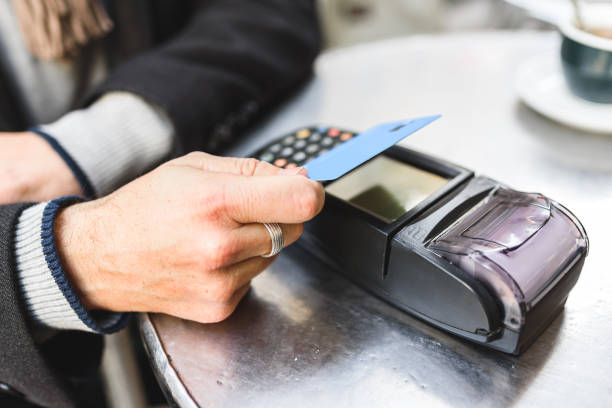
Picture this: You’re at a networking event, juggling a drink, your phone, and a stack of paper business cards that will probably end up forgotten in a drawer. Now imagine simply tapping your phone against someone’s device and instantly sharing your complete professional profile. Welcome to the world of NFC business cards.
In today’s digital landscape, traditional paper business cards are becoming outdated. NFC (Near Field Communication) business cards are revolutionizing how professionals connect, share information, and make lasting impressions. Whether you’re an entrepreneur, sales professional, or corporate executive, understanding this technology could transform your networking entirely.
What Are NFC Business Cards?
NFC business cards are smart digital cards embedded with Near Field Communication technology that allows instant information transfer between devices with a simple tap. Unlike traditional paper cards that require manual data entry, these innovative cards use wireless communication to share your contact details, social media profiles, portfolio links, and much more within seconds.
The technology works through electromagnetic radio fields, creating a connection between your NFC-enabled card and a smartphone. When someone taps their phone against your card, it instantly opens your digital profile without requiring any apps or complicated setup. This seamless experience makes networking effortless and memorable, ensuring your information actually gets saved rather than lost in a pile of forgotten business cards.
How Do NFC Business Cards Work?
The magic behind NFC business cards lies in their embedded chip technology. Inside each card sits a tiny NFC chip programmed with your information. This chip communicates with NFC-enabled smartphones through radio frequency identification, creating a secure connection when devices come within close proximity—usually about 4 centimeters or less.
When someone taps their smartphone against your NFC card, the chip activates and transmits the programmed data. The phone reads this information and automatically prompts the user to save your contact details or access whatever content you’ve linked. The entire process takes less than two seconds, making it faster than traditional card exchanges.
Most modern smartphones, including iPhones (iPhone 7 and newer) and Android devices, come with built-in NFC capabilities. This means the vast majority of professionals you meet can instantly receive your information without downloading special apps. The technology is compatible with both iOS and Android operating systems, ensuring universal accessibility.
Key Benefits of Using NFC Business Cards
The advantages of switching to NFC technology extend far beyond just convenience. First and foremost, these cards are incredibly eco-friendly. By eliminating the need for paper card reprints every time your information changes, you’re reducing waste and contributing to environmental sustainability. One NFC card can last for years, potentially replacing thousands of paper cards throughout your career.
From a professional standpoint, NFC cards position you as a forward-thinking, tech-savvy individual. They create an impressive first impression that demonstrates you’re keeping pace with modern business practices. This innovative approach often sparks conversations and helps you stand out in crowded business environments.
The real-time update capability is perhaps the most practical benefit. When you change jobs or get a new phone number, you simply modify the information linked to your card online. Everyone who tapped your card will automatically see the updated information—no need to reorder hundreds of outdated paper cards. This saves both time and money while ensuring your network always has your current contact details.
Types of NFC Business Cards Available
The market offers several varieties of NFC business cards to suit different preferences and budgets. Standard NFC cards resemble traditional business cards in size and shape but include an embedded chip. These cards typically feature printed designs, allowing you to maintain brand consistency while incorporating smart technology.
NFC tags and stickers represent a more flexible option. These adhesive products can be attached to your phone case, laptop, or any surface. This portability means you’re never without your digital business card. Premium metal NFC cards have gained popularity among executives, making bold statements with stainless steel, titanium, or aluminum materials while conveying exclusivity and sophistication.
Setting Up Your NFC Business Card
Getting started with an NFC business card is straightforward. First, purchase a card from providers like Tapni, Popl, Mobilo, or V1CE, each offering different features and price points. Consider design customization, analytics capabilities, and integration options when choosing. Some platforms specialize in individual professionals, while others cater to enterprise clients.
Once you receive your card, create a digital profile through the provider’s platform. This profile becomes your digital business card, containing all the information you want to share. Include standard contact details plus multiple touchpoints—LinkedIn, Instagram, portfolio website, booking calendar, or video introduction.
Programming your card involves using your smartphone to write information to the NFC chip. The provider’s app guides you through this simple process, taking just minutes. Customize what information appears first and in what order, emphasizing your most important links.
Testing your card ensures everything works before networking. Tap it against different smartphones to verify compatibility and check that all links open properly. Ensure your landing page looks professional on both mobile and desktop devices.
Customizing Your Digital Profile
Your digital profile is where NFC technology truly shines beyond traditional business cards. Think of it as your mobile website—a dynamic hub showcasing everything professional about you. Start by choosing a clean design template that aligns with your industry. Include a high-quality professional photo and a compelling headline that clearly communicates your value proposition.
Beyond basic contact information, add rich media content. Video introductions create personal connections, while portfolio galleries showcase your work visually. Include testimonials for instant credibility and social media feeds to keep your profile fresh. Many professionals add direct booking links for consultations, removing friction from follow-up. Balance comprehensiveness with simplicity—provide value without overwhelming visitors with too many options.
NFC vs. QR Code Business Cards
While both NFC and QR code business cards serve similar purposes, they offer distinctly different user experiences. QR codes require users to open their camera app, focus on the code, and wait for recognition—a process that can be clunky in low-light environments. NFC cards work with a simple tap, functioning seamlessly without requiring visual scanning.
The sophistication factor also differs significantly. QR codes, while functional, have become ubiquitous to the point of feeling generic. NFC technology still carries an innovative edge that impresses recipients. From a practical standpoint, NFC offers superior reliability—chips remain functional even when the card surface shows wear, and they don’t require specific lighting conditions.
Cost considerations play a role in the decision. QR code cards are generally less expensive since they don’t require embedded chips. NFC cards represent a higher initial investment but offer enhanced functionality and durability that may justify the premium.
Best Practices for Using NFC Business Cards
Maximizing the impact of your NFC business card requires strategic thinking beyond just handing it out. Always carry your card to every professional event, meeting, or situation where networking might occur. The beauty of NFC cards is their reusability—one card serves indefinitely, so there’s no excuse not to have it readily available at all times. Keep it in your wallet, phone case, or a dedicated card holder where you can access it instantly.
When sharing your card, briefly explain what it is and how it works, especially with people who might be unfamiliar with the technology. A simple “Just tap your phone to the card, and it’ll bring up all my contact info” puts people at ease and ensures successful exchanges. This educational moment often becomes a conversation starter that makes your interaction more memorable than typical card exchanges. Watch for their reaction—the “wow” factor of NFC technology often leads to extended conversations about innovation and technology.
Follow up promptly after networking events while you’re fresh in people’s minds. Since your NFC card likely captured their contact information (many platforms offer two-way data exchange), you have everything you need to send a personalized message within 24 hours. Reference specific conversation points to demonstrate genuine interest and begin building a meaningful professional relationship. The speed and ease of NFC exchanges should translate into faster, more effective follow-up.
Keep your digital profile updated constantly. Review your information monthly to ensure accuracy and relevance. Outdated contact details or broken links undermine the professional impression you’re trying to create. Take advantage of the analytics most NFC platforms provide—track which links people click most often and adjust your profile accordingly to emphasize what resonates with your audience. If nobody clicks your portfolio link but everyone checks your LinkedIn, that data helps you optimize your profile structure.
Security and Privacy Considerations
Security concerns naturally arise with digital information sharing, but NFC technology incorporates protective features. NFC operates on very short-range communication, requiring devices within centimeters. This proximity requirement makes unauthorized scanning extremely difficult. The data transmitted is typically read-only—recipients view your information but cannot modify the chip or access other device data.
Privacy control rests entirely in your hands. You decide what information to include and can modify or remove data anytime. If concerns arise, temporarily disable your card through the provider’s platform. For businesses issuing cards to employees, establish guidelines for appropriate content and brand consistency while respecting individual privacy boundaries.
Cost and ROI of NFC Business Cards
Understanding the financial investment helps determine whether NFC cards make sense for your situation. Individual cards typically range from $15 to $50, depending on materials and features. Metal cards command premium prices, while basic plastic cards cost less. Many providers charge monthly or annual fees ranging from $5 to $20 for profile hosting and analytics.
Calculate return on investment by considering replacement costs. If you order paper business cards twice yearly at $50 per order, you spend $100 annually on cards that become obsolete with information changes. One NFC card with a subscription costs more initially but eliminates printing costs and waste. The intangible benefits—professional image, standing out in networking, memorable impressions—often justify the investment when converting high-value clients or opportunities.
Industries Benefiting Most from NFC Cards
Certain industries gain particular advantages from NFC business card adoption. Real estate agents, who network constantly, can link directly to property listings, virtual tours, and booking calendars. Sales professionals benefit from streamlined contact sharing and tracking capabilities that indicate genuine interest and optimal follow-up timing.
Creative professionals like photographers and designers showcase portfolios instantly, directing potential clients to stunning visual galleries with a single tap. Event organizers, speakers, and consultants who meet numerous people in short timeframes find NFC cards essential for efficient networking, allowing them to connect with more people without sacrificing quality while ensuring everyone has access to their latest presentations and booking availability.
Future of NFC Business Cards
The trajectory of NFC business card technology points toward increasing sophistication. Experts predict deeper integration with customer relationship management systems, allowing automatic contact imports and follow-up reminders. Augmented reality features may soon enhance experiences, with cards triggering immersive 3D presentations or holographic displays when tapped.
Biometric security features could add another layer of sophistication, ensuring only authorized individuals can activate specific cards. Combined with blockchain verification, future NFC cards might provide tamper-proof credentials. Integration with wearable technology and Internet of Things devices will make information sharing even more seamless, with smartwatches automatically sharing contact information during handshakes.
Common Mistakes to Avoid
Many professionals undermine their NFC card effectiveness through preventable mistakes. Overloading digital profiles with excessive information overwhelms recipients and dilutes your message. Focus on your most important professional touchpoints rather than creating an exhaustive directory.
Neglecting design aesthetics represents another frequent misstep. Your digital profile should reflect the same quality as your physical card. Poor color choices, low-resolution images, or cluttered layouts create negative impressions. Always test your card with different devices before networking events to verify functionality across iPhone and Android platforms.
The biggest mistake is treating NFC cards as set-it-and-forget-it solutions. Your digital presence requires regular maintenance. Dead links or outdated information make you appear unprofessional. Schedule monthly reviews to ensure everything remains accurate and functional.
FAQ
Do NFC business cards work with all smartphones?
Most modern smartphones support NFC technology, including iPhone 7 and newer and most Android phones from 2015 onward. Many cards include backup QR codes for devices without NFC.
How long do NFC business cards last?
Physical cards last several years with normal use, as chips are durable and wear-resistant. Your digital profile lasts as long as you maintain your provider subscription.
Are NFC business cards expensive to maintain?
Basic plans start around $5-10 monthly, while premium plans run $20-30 monthly. Costs are comparable to regular paper card printing but with more flexibility.
Is my information safe when using NFC cards?
NFC is very secure, requiring close proximity and only transmitting information you choose to share. You control all data and can modify or remove it anytime.
Can I track who taps my NFC card?
Many providers offer analytics showing when cards were tapped and which links were clicked, while respecting user privacy.