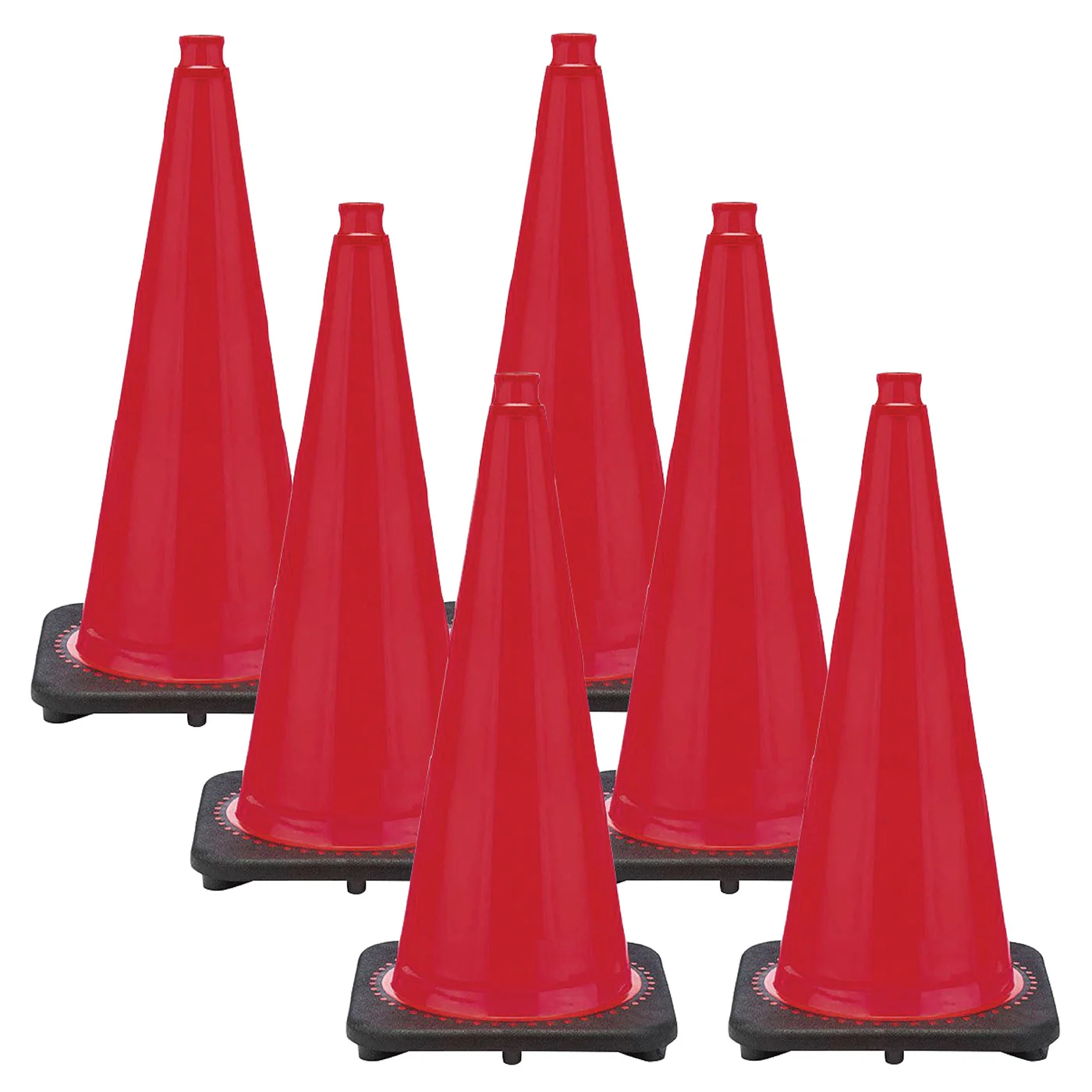
When it comes to managing safety, visibility, and organization in traffic control and work zones, red traffic cones are one of the most versatile and essential tools available. These brightly colored, durable cones alert motorists, pedestrians, and workers to hazards, delineate lanes, and help structure temporary spaces with clarity and authority. In this comprehensive guide, we’ll explore everything you need to know about red traffic cones, including their benefits, proper uses, material choices, sizing options, industry standards, and best practices for placement and maintenance.
What Are Red Traffic Cones?
Red traffic cones are cone-shaped safety devices, typically made from high-visibility materials like PVC or rubber, that are placed on roadways, construction sites, parking lots, and other areas where temporary traffic control or hazard marking is needed. Their distinctive red hue helps capture attention and signals caution, making them a go‑to choice for safety managers, contractors, event organizers, and public works departments.
Why Choose Red Traffic Cones?
There are numerous reasons why red traffic cones are widely used across industries:
-
High Visibility:
The bright red color stands out against most backgrounds, especially in daylight conditions, which helps drivers and pedestrians quickly recognize potential danger zones. -
Cost‑Effective Safety Solution:
Compared to more permanent forms of barriers and signage, red traffic cones are relatively inexpensive and can be deployed rapidly. -
Portable and Lightweight:
Whether you need to set up a temporary lane closure or mark off a spill in a parking garage, traffic cones can be easily transported and positioned where needed. -
Flexible Applications:
Red traffic cones are not limited to road work; they’re useful at sporting events, schools, warehouses, and any venue where crowd control or directional guidance is required.
Materials and Construction
Red traffic cones vary based on their materials and build quality, which in turn influences durability, weight, and cost:
-
PVC Cones:
These are lightweight and flexible, able to withstand minor impacts without cracking. PVC cones are ideal for low‑impact environments. -
Rubber Cones:
Heavier and sturdier, rubber cones are more resilient to strong winds and vehicle contact. They are often used in high‑traffic areas. -
Weighted Bases vs. Hollow Bases:
Traffic cones with weighted bases offer better stability and are less likely to be knocked over by wind or passing vehicles. Cones with hollow bases are easier to stack and store but may need additional weight in windy conditions.
No matter the material, red traffic cones should be UV stabilized to prevent color fading over time, ensuring ongoing visibility.
Sizing Options and How to Choose
Red traffic cones come in various heights, usually measured in inches:
-
18 Inches:
Typically used in parking lots, warehouses, and indoor applications. They are lightweight and easy to store. -
28 Inches:
A common size for road work and construction sites, offering good visibility for drivers and workers. -
36 Inches and Above:
Larger cones provide maximum visibility on highway projects and busy work zones.
When selecting cone size, consider the location’s speed limits, typical traffic volume, and the specific task at hand. High‑speed roadways usually require taller cones to ensure they’re seen from a greater distance.
Best Practices for Placement
To get the most out of your red traffic cones, proper placement is key:
-
Spacing:
Place cones closer together where precision is critical, such as near sharp turns or tight work areas. Wider spacing may be suitable for general lane delineation. -
Visibility:
Ensure cones are visible from all directions of approach. In low‑light conditions, consider cones with reflective collars. -
Stability:
On windy days or high‑traffic routes, use cones with weighted bases or add sandbags for extra reinforcement. -
Consistency:
Maintain uniform spacing and alignment to avoid confusing drivers or pedestrians.
Industry Standards and Compliance
Many regulatory agencies provide guidelines for traffic control devices, including cones. While standards may differ between regions, general principles emphasize visibility, durability, and proper reflective features. Always check local regulations to ensure compliance with color, size, and reflective requirements for your intended use.
Maintenance and Storage
Keeping red traffic cones in good condition extends their lifespan and keeps safety standards high:
-
Regular Cleaning:
Dirt and grime can reduce visibility. Wash cones with mild soap and water as needed. -
Inspect for Damage:
Check for cracks, tears, or fading. Replace cones that are no longer structurally sound or clearly visible. -
Proper Storage:
Stack cones in a dry, shaded area when not in use. Avoid storing cones in direct sunlight for long periods to prevent UV degradation.
Innovations in Traffic Cone Design
Manufacturers continually improve traffic cone design to enhance performance:
-
Reflective Strips:
These increase visibility at night or in poor weather conditions. -
Interlocking Bases:
Some cones are designed with bases that connect to one another, creating a more stable and continuous barrier. -
Collapsible Cones:
Ideal for emergency kits and compact storage needs, these cones fold flat without compromising visibility when deployed.
Conclusion
Red traffic cones are indispensable tools for safety, order, and traffic control in a wide range of environments. Whether you’re managing a construction site, organizing an event, or handling a roadside emergency, choosing the right cones and using them effectively can make all the difference in preventing accidents and guiding movement. With their high visibility, ease of use, and adaptability, red traffic cones remain a cost‑effective solution for professionals everywhere. For quality products that meet your needs and help you maintain the highest safety standards, trust mrchain as your source for dependable equipment and expert support.