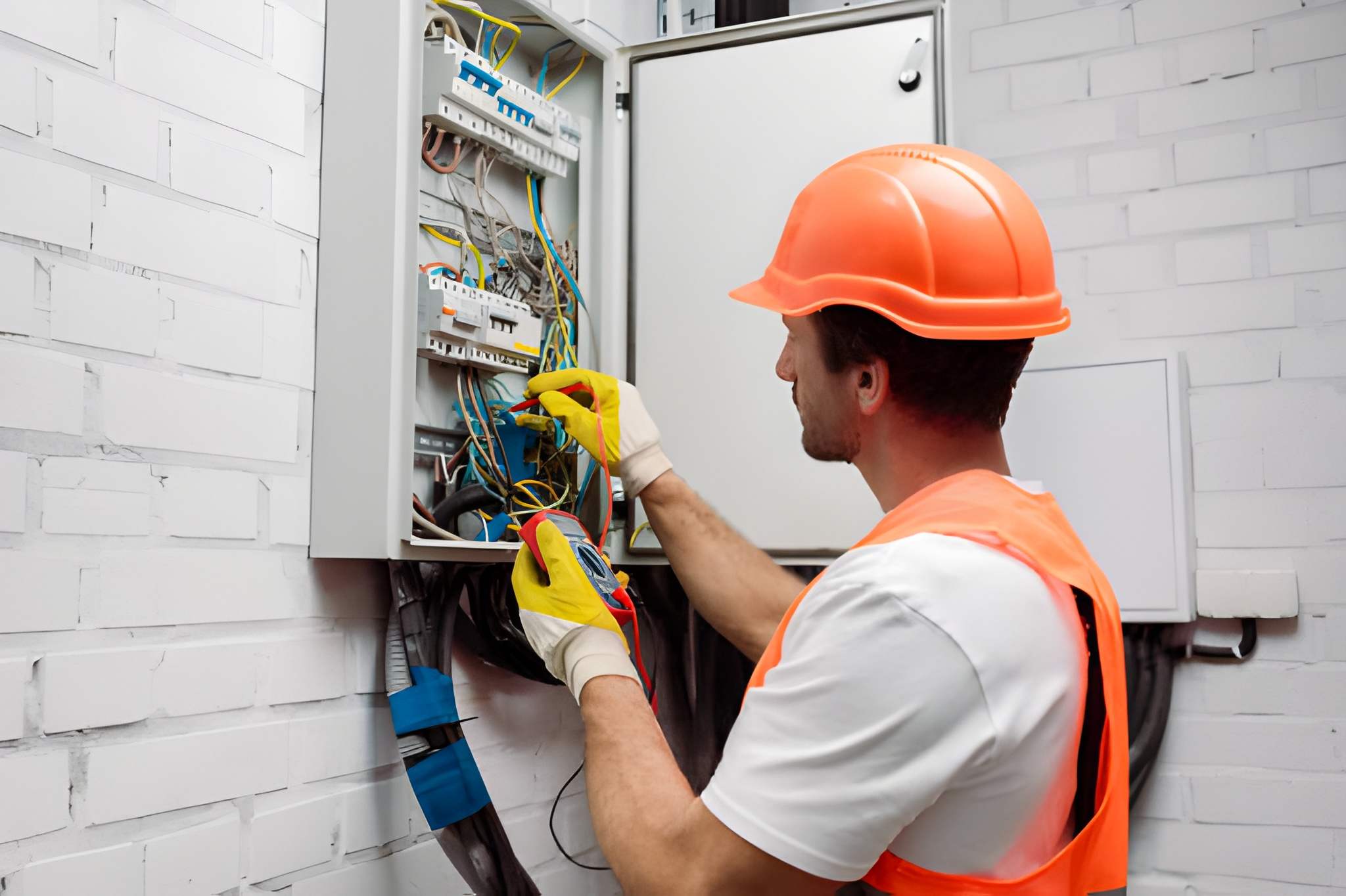
Tottenham is one of those areas where property safety can’t be treated as a one-size-fits-all exercise. From long-standing Victorian terraces near Bruce Grove to purpose-built flats around Tottenham Hale, the electrical condition of homes varies widely. That’s why understanding EICR in Tottenham is less about paperwork and more about knowing how real properties behave, age, and get used by real people.
Why Electrical Safety Matters More Than Ever in Tottenham
A Mix of Old and New Housing Stock
Tottenham’s housing stock spans more than a century. Many older homes still rely on wiring that was never designed for modern living—think multiple appliances, chargers, and home offices all running at once. During inspections, it’s common to find older fuse boards, limited socket provision, or circuits that have been extended piecemeal over decades.
Newer developments, particularly around regeneration zones, bring their own challenges. While installations are modern, poor workmanship or heavy tenant turnover can lead to damage that isn’t immediately obvious without a formal inspection.
High Rental Density Raises Responsibility
Tottenham has a high proportion of privately rented homes, including HMOs. This means electrical issues don’t just affect one household. A single fault in a shared supply can impact multiple tenants, which is why councils take EICR compliance seriously in this part of London.
What an EICR Actually Looks Like on the Ground
Beyond Pass or Fail
An Electrical Installation Condition Report isn’t about catching landlords out. It’s a structured assessment of whether an electrical system is safe for continued use. Inspectors look at consumer units, wiring, sockets, lighting, and protective devices, grading issues by risk.
For example, an inspector from London Property Inspections recently assessed a converted house near Seven Sisters where the electrics technically worked—but lacked proper bonding and had signs of overheating behind the consumer unit. It wasn’t dramatic, but it was unsafe enough to require prompt action.
Common Issues Found in Tottenham Properties
- Ageing consumer units without RCD protection
- Overloaded circuits in kitchens and living areas
- DIY alterations carried out by previous owners or tenants
- Inadequate bonding, particularly in bathrooms
These aren’t rare edge cases; they’re patterns seen repeatedly across the area.
Landlord Responsibilities, Explained Simply
What the Law Requires
If you rent out property in Tottenham, you must ensure an EICR is carried out at least every five years, or sooner if recommended. A copy must be provided to tenants and, if requested, to the local authority.
If the report identifies urgent or potentially dangerous issues, remedial work must be completed within the specified timeframe. Ignoring these isn’t just risky—it can lead to enforcement action.
Practical Tips That Make Life Easier
- Plan inspections between tenancies where possible
- Keep digital copies of reports and certificates
- Act early on advisory notes, not just urgent ones
- Use inspectors familiar with local housing types, such as London Property Inspections, who understand the quirks of Tottenham properties
These steps reduce disruption and help avoid last-minute compliance problems.
How Local Councils View Electrical Safety
Haringey Council, which covers Tottenham, actively enforces housing standards, particularly for licensed and high-risk properties. EICRs are often requested during inspections or following tenant complaints. Properties with repeated issues can face closer scrutiny, so staying ahead of requirements is far easier than reacting later.
Professionals at London Property Inspections often see landlords surprised by how quickly councils follow up once an issue is flagged. Consistent compliance builds trust and reduces hassle.
EICR as Part of Responsible Property Management
An EICR shouldn’t feel like an inconvenience. Done properly, it’s a snapshot of how safely a property can be lived in right now. For homeowners, it provides peace of mind. For landlords and managers, it’s a practical tool for risk management, tenant safety, and long-term asset protection.
In a busy, fast-changing area like Tottenham, staying on top of electrical safety isn’t about perfection—it’s about responsibility.
FAQs
How often do I need an EICR in Tottenham?
Every five years for rented properties, or sooner if the report recommends it.
Does this apply to existing tenants?
Yes. The requirement isn’t just for new tenancies.
What happens if my property fails the EICR?
You’ll need to complete remedial work within the timeframe stated in the report.
Are homeowners legally required to get an EICR?
No, but it’s strongly recommended, especially for older homes.
Will the council ask to see my EICR?
They can, particularly for licensed properties or after a complaint.
Is an EICR disruptive for tenants?
Usually not. Most inspections take a few hours and don’t require power to be off for long.