Water is one of the most basic and essential components of human life. Every cell, tissue, and organ in the body depends on water to function properly. Despite this, many people are still confused about one fundamental question: does water have calories?
This question often comes up among people who are trying to lose weight, track calories, follow a diet plan, or simply live a healthier lifestyle. In this blog, we will break down the science behind calories, explain why water has no calories, explore different types of water, and clear up common myths and misunderstandings.
What Are Calories and Why Do They Matter?
To understand whether water has calories, it is important to first understand what calories actually are.
A calorie is a unit of energy. In nutrition, calories measure how much energy food and drinks provide to the body. Your body uses this energy to perform essential functions such as breathing, digesting food, moving muscles, maintaining body temperature, and supporting brain activity.
Calories come from three main macronutrients:
- Carbohydrates
- Proteins
- Fats
Alcohol also provides calories, even though it is not considered a nutrient.
If a food or drink does not contain any of these energy-providing substances, it does not provide calories. This concept is key to understanding why water contains zero calories.
Does Water Have Calories?
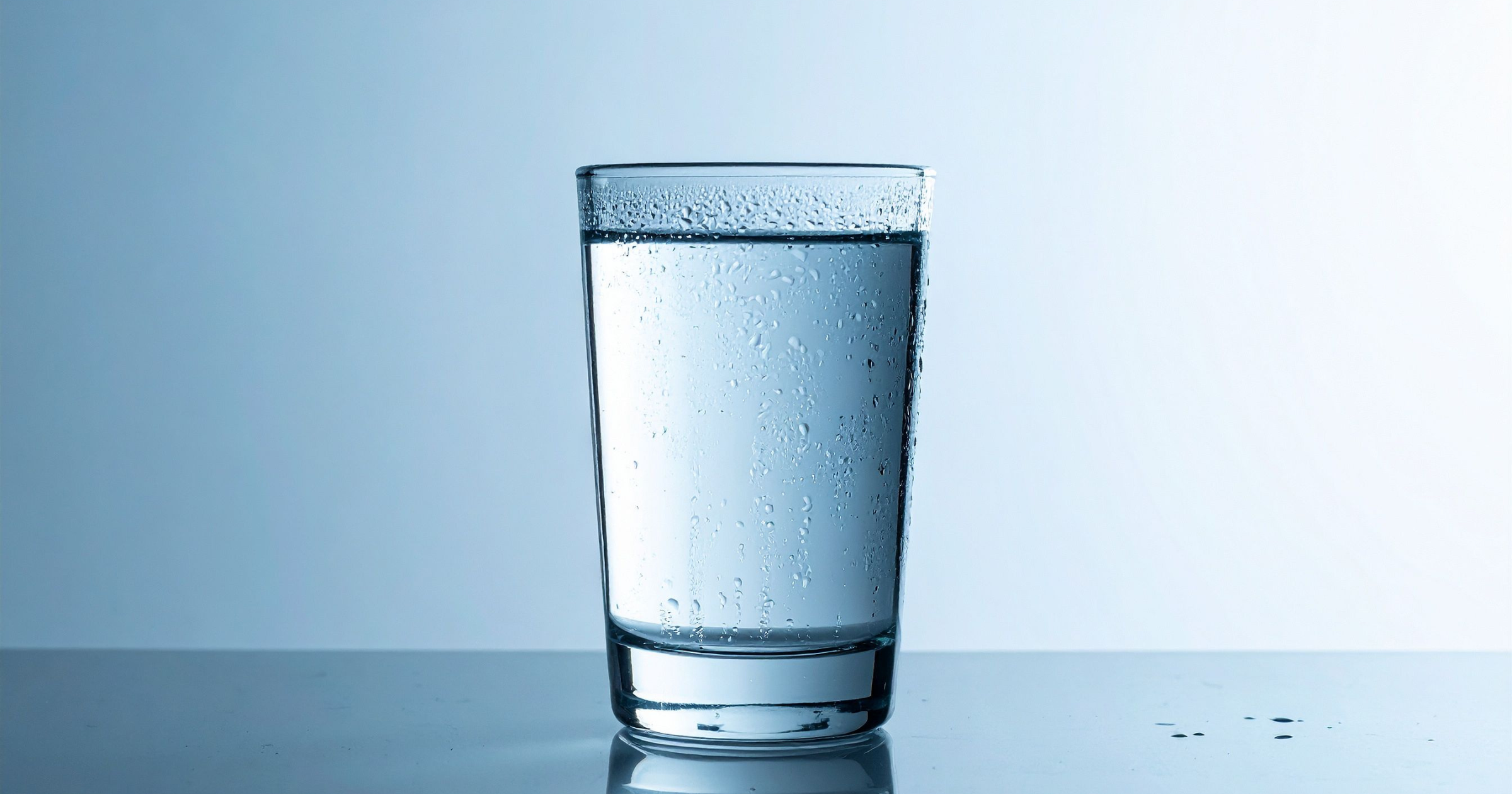
Plain water contains zero calories.
This applies to:
- Drinking water
- Filtered water
- RO water
- Tap water
- Mineral water
- Sparkling water without added sugar
Water is made up of two elements: hydrogen and oxygen. These elements do not provide energy when consumed. Since water does not contain carbohydrates, fats, proteins, or alcohol, it has no caloric value.
No matter how much water you drink, you are not consuming calories. This makes water one of the only substances you can consume freely without worrying about calorie intake.
Why Water Does Not Provide Energy to the Body
The human body requires calories to perform work. Energy is released when the body breaks down macronutrients during digestion and metabolism.
Water does not undergo this process because:
- It cannot be broken down into usable energy
- It does not participate in energy-producing chemical reactions
- It contains no fuel for metabolism
Instead, water plays a supporting role. It helps transport nutrients, regulate temperature, lubricate joints, and remove waste products. While it is essential for life, it does not act as an energy source.
This is why drinking water hydrates the body but does not increase energy levels in the same way food does.
Does Temperature Change the Calories in Water?
Many people believe that cold water or hot water might contain calories or affect calorie intake. The temperature of water does not change its caloric value.
Cold water, warm water, and hot water all contain zero calories.
However, when you drink cold water, your body must use a small amount of energy to bring that water up to body temperature. This process is known as thermogenesis. The number of calories burned during this process is extremely small and does not significantly impact weight loss or metabolism.
Even though the body may burn a few calories warming cold water, the water itself still contains no calories.
Different Types of Water and Their Calorie Content
Not all water-based drinks are calorie-free. It is important to distinguish between plain water and water that contains added ingredients.
Plain Water
Plain water has zero calories. This includes tap water, filtered water, and mineral water with no additives.
Sparkling Water
Sparkling water is carbonated water. If it contains no sugar, syrup, or flavoring, it also has zero calories. However, flavored sparkling waters may contain added sweeteners.
Flavored Water
Flavored water often contains sugar, artificial sweeteners, or fruit extracts. Some flavored waters contain calories, while others may be labeled as zero-calorie but still impact appetite or insulin response.
Coconut Water
Coconut water is often mistaken for plain water. It contains natural sugars and carbohydrates, which means it does contain calories.
Fruit-Infused Water
If fruits are sliced and soaked in water without squeezing or blending, the calorie content is minimal. However, if fruit juice mixes into the water, calories may be present.
Reading nutrition labels is essential to determine whether a water-based drink truly contains zero calories.
Does Drinking Water Help With Weight Loss?
Water does not directly cause weight loss, but it plays a powerful supportive role in weight management.
Drinking water helps with weight loss in several ways:
- It increases feelings of fullness, reducing overeating
- It prevents mistaking thirst for hunger
- It supports digestion and nutrient absorption
- It helps maintain metabolic efficiency
- It replaces high-calorie beverages like soda or juice
People who drink water before meals often consume fewer calories overall. This habit can lead to gradual and sustainable weight loss over time.
Because water has zero calories, it can be consumed freely without disrupting a calorie deficit.
Can Drinking Water Cause Weight Gain?
Water cannot cause fat gain because it contains no calories. However, some people notice temporary weight changes after drinking water.
This happens due to:
- Water retention
- High sodium intake
- Hormonal fluctuations
- Digestive contents
These changes affect scale weight, not body fat. Once excess water is flushed out of the body, weight returns to normal.
Gaining body fat requires consuming excess calories over time. Since water provides no calories, it cannot contribute to fat gain.
Common Myths About Water and Calories
One common myth is that water contains hidden calories. This is false. Plain water has no calories under any circumstance.
Another myth is that drinking too much water leads to weight gain. While excessive water intake can cause bloating or discomfort, it does not increase fat mass.
There is also a belief that flavored or vitamin water is always healthy and calorie-free. Many of these drinks contain added sugars and should not be confused with plain water.
Understanding these myths helps people make better dietary choices.
Why Water Is Essential Despite Having No Calories
Even though water does not provide calories, it is one of the most important substances for survival.
Water:
- Regulates body temperature
- Supports blood circulation
- Helps transport nutrients and oxygen
- Flushes out toxins
- Keeps skin healthy
- Supports brain function
- Aids digestion and bowel movements
Without water, the body cannot efficiently use the calories consumed from food. In this way, water indirectly supports energy production and overall health.
Final Conclusion: Does Water Have Calories?
Plain water contains zero calories. It does not matter how much you drink, when you drink it, or what temperature it is.
Water does not provide energy, but it is essential for nearly every function in the human body. It supports weight loss, improves digestion, enhances metabolism, and promotes overall health without adding a single calorie to your diet.
For anyone focused on health, fitness, or weight management, water remains the safest, cleanest, and most beneficial drink available.