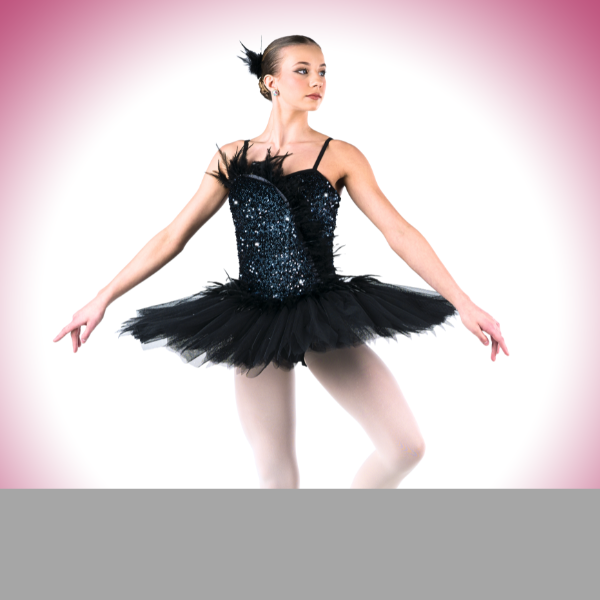
Dance is a universal language, and dance costumes are its silent storytellers. Before a dancer takes the first step, their costume already begins to communicate mood, culture, energy, and emotion. From classical traditions to modern stages, dance costumes play a powerful role in shaping how movement is seen, felt, and remembered. They are not just garments—they are extensions of the performance itself.
This blog explores the importance, types, evolution, and impact of dance costumes, highlighting why they are essential to every dance form.
🎭 The True Purpose of Dance Costumes
Dance costumes serve far more than decorative purposes. Their core role is to enhance storytelling through movement. A well-designed costume supports the dancer’s motion while reflecting the theme and character of the performance.
Key purposes of dance costumes include:
-
Enhancing visual appeal on stage
-
Supporting flexibility and comfort
-
Representing cultural or historical context
-
Highlighting movements and body lines
-
Creating emotional connection with the audience
Without the right costume, even the most skilled performance may lose its impact.
🌍 Cultural Significance of Dance Costumes
Many traditional dance forms are deeply connected to cultural identity, and their costumes carry symbolic meaning passed down through generations.
For example:
-
Classical Indian dance costumes use colors, pleats, and jewelry to represent devotion and storytelling.
-
Folk dance costumes reflect regional traditions, climate, and lifestyle.
-
Latin dance costumes express passion and rhythm through bold colors and flowing fabrics.
These dance costumes preserve heritage while allowing performers to honor tradition through movement.
💃 Types of Dance Costumes by Dance Style
Different dance forms require different costume designs based on movement, energy, and performance setting.
🩰 Classical Dance Costumes
These are elegant, structured, and symbolic. Fabrics are rich, designs are traditional, and every element has meaning. Precision and grace are emphasized.
🔥 Contemporary and Modern Dance Costumes
Minimalistic and fluid, these dance costumes focus on freedom of movement. Neutral colors, stretchable fabrics, and simple silhouettes dominate this style.
⚡ Hip-Hop and Street Dance Costumes
Bold, expressive, and trend-driven, these costumes reflect individuality. Loose fits, layered outfits, and strong visual statements are common.
🎉 Folk and Cultural Dance Costumes
Vibrant colors, embroidery, and traditional patterns define these costumes. They are designed to celebrate community and culture.
🧵 Fabric Choice: The Foundation of Dance Costumes
Fabric selection is critical in costume design. The wrong material can restrict movement or cause discomfort during performance.
Popular fabrics for dance costumes include:
-
Stretchable blends for flexibility
-
Lightweight fabrics for fast movements
-
Breathable materials to manage sweat
-
Flowing fabrics to enhance visual motion
Comfort and durability are just as important as appearance.
🎨 Colors and Design: Creating Visual Impact
Colors in dance costumes influence audience perception. Bright colors energize the stage, while soft tones create elegance or emotion.
Design elements such as:
-
Sequins and embellishments for stage lighting
-
Layered skirts or panels for movement effect
-
Fitted silhouettes to highlight posture
All these details work together to transform movement into visual art.
🩱 The Importance of Fit and Comfort
A dance costume must move with the dancer, not against them. Poorly fitted costumes can distract performers and interrupt choreography.
Well-designed dance costumes:
-
Allow full range of motion
-
Stay secure during dynamic movements
-
Prevent wardrobe malfunctions
-
Boost dancer confidence
When dancers feel comfortable, their performance becomes more expressive and powerful.
🕰️ Evolution of Dance Costumes Over Time
Dance costumes have evolved alongside dance styles and societal changes. Earlier designs focused heavily on tradition and structure. Modern designs prioritize comfort, innovation, and personal expression.
Today’s dance costumes blend:
-
Tradition with modern aesthetics
-
Technology with fabric innovation
-
Individual identity with performance needs
This evolution has expanded creative possibilities for dancers and designers alike.
🌟 Why Dance Costumes Matter to Performers
For dancers, costumes are more than stage wear—they help them step into character. The moment a dancer puts on their costume, they mentally transition into the performance world.
Dance costumes:
-
Build emotional connection with the role
-
Enhance confidence and stage presence
-
Help dancers embody the story
This psychological impact is just as important as the visual effect.
🛍️ Choosing the Right Dance Costume
Selecting the perfect dance costume depends on several factors:
-
Dance style and performance theme
-
Stage size and lighting
-
Dancer’s comfort and body type
-
Budget and durability
A thoughtful choice ensures both visual excellence and performance ease.
🎶 Final Thoughts
Dance costumes speak without words, telling stories through color, fabric, and design. They transform movement into meaning and help audiences connect deeply with the performance. Whether traditional or modern, simple or elaborate, the right dance costume elevates dance from motion to magic.
In every spin, step, and leap, dance costumes play a silent yet unforgettable role—making dance not just something we watch, but something we feel.