
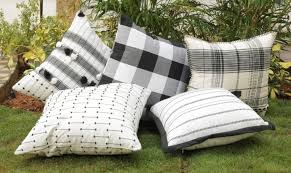
Cushion covers are more than decorative accessories. They are functional textile products that influence comfort, durability, and the overall aesthetic of interior spaces. For home décor and lifestyle brands, cushion covers often serve as an entry point into private label manufacturing due to their versatility and strong consumer demand.
The Functional Purpose of Cushion Covers
At their core, cushion covers protect inner fillings from dust, wear, and stains. They also allow homeowners to refresh interior styling without replacing entire cushions. This balance of protection and adaptability makes them a staple in residential, hospitality, and commercial spaces.
High-quality covers are designed to withstand frequent use while maintaining shape and texture. Stitch strength, seam reinforcement, and closure integrity all contribute to product longevity, especially in high-traffic environments.
Fabric Selection and Its Impact on Quality
Fabric choice defines both the look and feel of a cushion cover. Cotton and cotton blends offer breathability and ease of maintenance, making them suitable for everyday use. Linen adds texture and sophistication, while velvet and chenille introduce a more luxurious appearance.
From a manufacturing standpoint, fabric performance factors such as shrinkage control, color fastness, and abrasion resistance must be carefully tested. These technical considerations ensure consistency across production runs and long-term customer satisfaction.
Design Elements That Differentiate Brands
Customization is a key differentiator in cushion cover production. Elements such as piping, embroidery, quilting, digital printing, and decorative trims allow brands to create distinctive collections. Even small design details can elevate a simple cover into a premium product.
Closures also matter. Hidden zippers provide a clean finish, envelope backs improve usability, and button closures add a decorative touch. Each option influences both aesthetics and production complexity.
Sustainability and Consumer Expectations
Modern consumers increasingly value sustainability. Cushion covers produced with organic fabrics, recycled fibers, and low-impact dyes appeal to environmentally conscious buyers. Ethical manufacturing and transparent sourcing have become important factors in brand trust and loyalty.
Call to Action:
For brands developing private label home textile collections, working with a manufacturer that understands fabric behavior, finishing standards, and scalable production ensures cushion covers that meet both design vision and market expectations.