Team meals shape trust and lift daily work spirit when planned with care. HR and admin teams often guide these moments, so clear thinking helps every step feel smooth. A well-planned Corporate lunch can turn a simple meal into a shared memory that supports teamwork. Singapore’s diverse food culture adds depth, yet it also calls for balance and respect. With the right goal, simple choices, and thoughtful timing, planners can avoid stress. Most of all, they can create a warm space where teams feel seen, valued, and ready to connect.
Understand the Goal Before You Begin
Every event needs a clear reason. Because purpose guides action, define the aim before any step.
- Celebrate a team win.
- Welcome new staff
- Support cross-team talk
So, when the goal stays clear, choices feel easier.
Match the Meal to the Goal
A reward meal calls for warmth, while a work meeting needs calm space. For this, the aim shapes mood, aligning food, seating, and time with intent. Teams feel valued when the setting fits the reason.
Know Your Team Well
People form the heart of planning. Because teams vary, learn their needs early.
- Check diet needs
- Respect faith rules
- Note team size
So, no one feels unseen.
Invite Team Voices
Teams value choice. While planners lead, short polls invite trust. Because shared input builds care, ask teams for views on time or menu type.
Respect Local Food Culture
Singapore holds deep food roots. Because respect builds trust, menus must suit many habits.
- Mix cuisine styles
- Offer meat and plant meals.
- Label each dish
So, all staff eat with ease.
Avoid Risky Choices
Strong flavours may divide taste. While variety helps, balance matters. While comfort drives joy, choose safe options with broad appeal.
Choose the Right Time
Time shapes turnout. Even workflow matters; pick slots that suit most staff.
- Avoid peak work hours.
- Plan around key meetings.
- Allow rest time after
So, teams join with calm minds.
Align with the Workday
Midday meals suit many teams. Yet, some groups prefer late lunch meets. Because roles differ, match timing with daily tasks.
Select a Suitable Space
The place sets the tone. For a space guides talk, choose calm and open spots.
- Allow easy movement
- Support group talk
- Reduce noise
So, staff connect with ease.
Seating Shapes Talk
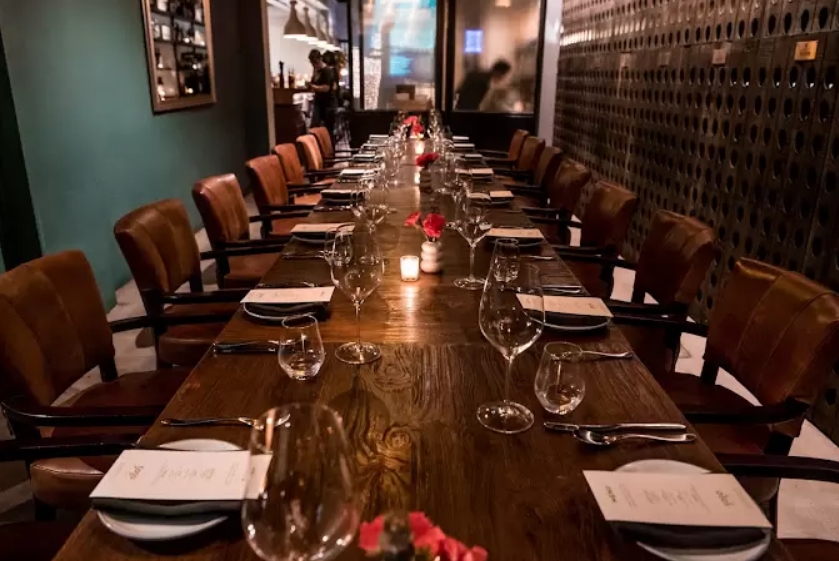
Round tables invite chat, while long rows limit talk. Bule layout drives mood, plan seats with care.
Plan Food Flow and Service
Smooth service keeps focus on people. Even flow matters; map each step.
- Arrival
- Meal start
- Clear close
So, staff feel relaxed.
Avoid Complex Setups
Simple service cuts risk. A Corporate lunch works well when food arrives on time, and the staff relax.
- Skip complex courses
- Serve clear portions
- Allow talk breaks
So, teams focus on bonds.
Keep Menus Simple and Clear
Clear menus help all guests. Even ease builds comfort; keep choices clear.
- Limit menu size
- Use clear labels
- Balance flavours
So, the staff chose with ease.
Support Health Choices
Some staff seek light meals. While rich food suits others, balance helps. Even care shows respect, including fresh options.
Manage Budget with Care
Money shapes plans. Because limits guide choice, set a clear spend range.
- Fix a budget early
- Track guest count
- Plan for extras
So, costs stay under control.
Balance Cost and Value
Low cost does not mean low care. Because thought adds value, focus on quality choices that suit the team.
Handle Logistics Early
Good plans avoid rush. Because order saves time, confirm details early.
- Food timing
- Access paths
- Setup needs
So, the day runs smoothly.
Prepare for Change
Last-minute changes may arise. While plans guide action, spare meals help. Because care avoids stress, plan small backups.
Communicate with Clarity
Clear words guide teams. Because updates shape trust, share plans early.
- Send date and time
- Share menu notes
- State the goal
So, staff feel ready.
Keep Messages Simple
Short messages gain focus. While detail matters, clear points work best. While time stays short, share only key facts.
Support Inclusivity at the Table
Meals unite teams. Because inclusion builds trust, plan for all needs.
- Access needs
- Diet needs
- Seating comfort
So, each guest feels welcome.
Watch Team Dynamics
Some staff feel shy in groups. While food helps break down walls, hosts can guide the talk. Because care shows leadership, greet all guests.
Assign Clear Roles
Shared tasks ease the load. Even teamwork helps flow; assign clear duties.
- Setup lead
- Guest guide
- Time keeper
So, no task gets missed.
Lead with Presence
Hosts shape mood. Even calm leaders set the tone, stay visible, and are ready to help.
Measure Success After the Meal
Learning shapes growth. After the event, gather views. A Corporate lunch gains value when teams share thoughts.
- Ask short questions
- Note strong points
- Record ideas
So, each plan grows stronger.
Turn Feedback into Action
Notes mean little without change. Even action builds trust; use views to shape plans.
Create a Calm Hosting Experience
A relaxed setting helps people open up and enjoy the moment. In addition, when hosts stay organised, guests feel at ease and remain engaged. Smooth flow matters more than grand effort, so comfort and clarity guide each step. As a result, the event feels steady, while tension fades. Over time, clear planning supports calm energy, and therefore, the experience stays pleasant from start to end.
Role of the Host on the Day
- Welcome guests with a friendly tone to set ease.
- Guide seating without rush, so movement stays smooth.
- Watch timing and pace, which helps balance the flow.
- Support quiet team members, thus encouraging inclusion.
Strengthen Team Bonds Beyond the Table
Meals offer more than food, and they often open space for shared stories. Moreover, light talk helps walls fall, while trust grows in simple ways. As conversations flow, people feel heard, and therefore links deepen. Over time, these moments shape stronger ties that last well after the event.
Encourage Easy Interaction
- Use light ice-break questions, which spark smiles.
- Mix teams across roles, so new links form.
- Allow free movement after eating, thus easing talk.
- Close with a warm thank-you, therefore leaving a positive note.
Final Thoughts
Good planning turns meals into moments that matter long after plates are cleared. Small details, steady planning, and team focus shape lasting impact. A successful Corporate lunch supports bonds, rewards effort, and builds open talk across teams. When HR and admin teams plan with clarity and care, events feel natural and smooth. Each meal also brings lessons that sharpen plans. Over time, these shared lunches grow into a quiet strength within the workplace, helping teams feel united, respected, and motivated to work well together.
Frequently Asked Questions
- How early should planning begin for team meals?
Planning should start at least two weeks ahead. This allows time to gather team needs, confirm schedules, and manage changes. Early planning reduces pressure and helps the event run smoothly.
- How can planners handle mixed food preferences?
Planners should offer balanced choices that suit different diets and beliefs. Clear labels and simple menus help guests choose with ease, while thoughtful variety ensures everyone feels included.
- What makes a team meal feel successful?
A successful meal feels relaxed and welcoming. Good timing, clear communication, and a comfortable setting help people connect. When guests leave happy and engaged, the event has met its goal.