
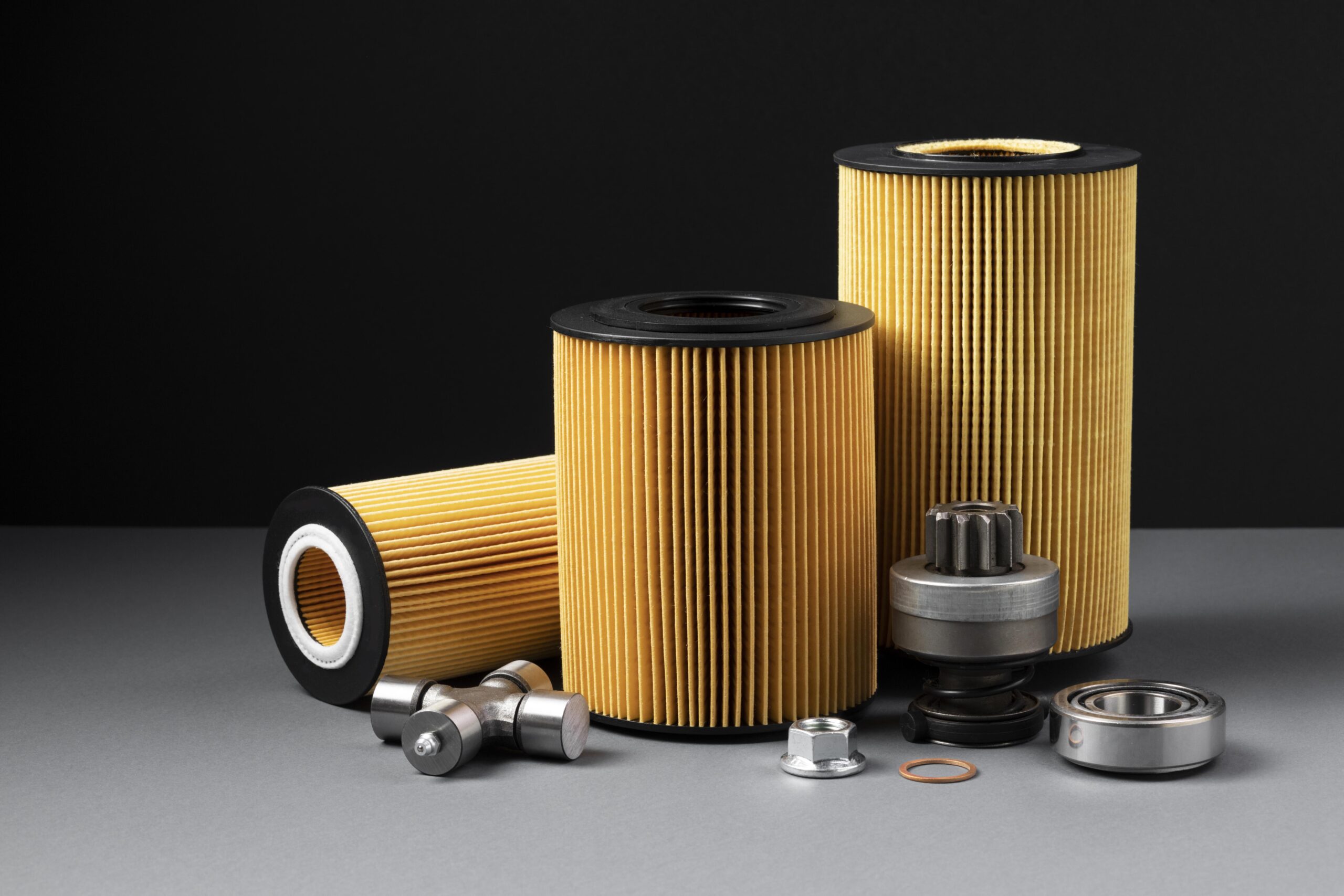
Compressed air is often called the fourth utility in industrial operations, standing alongside electricity, water, and gas. It powers tools, controls automation systems, and supports critical production processes across manufacturing, food processing, pharmaceuticals, automotive plants, and more. However, the quality of compressed air is just as important as its availability. This is where Compressed Air Filter technology plays a vital role.
A well-designed compressed air filter system removes contaminants, protects equipment, improves product quality, and reduces operational costs. In this in-depth article, we explore how compressed air filter technology works, why it matters, and how it ensures efficient and trouble-free machine performance.
Understanding the Role of a Compressed Air Filter
A compressed air filter is a device installed within a compressed air system to remove unwanted impurities such as dust, oil aerosols, water vapor, rust particles, and microorganisms. During the compression process, atmospheric air is squeezed to higher pressures, which also concentrates contaminants present in the surrounding environment.
Without proper filtration, these impurities travel through air lines and reach pneumatic tools, valves, cylinders, and end-use applications. Over time, this contamination can lead to wear, corrosion, malfunction, and even complete system failure. A compressed air filter acts as the first line of defense, ensuring clean and reliable air reaches every part of the system.
Why Clean Compressed Air Is Critical for Machines
Many industries underestimate the impact of air quality on machine performance. In reality, unfiltered compressed air can cause serious and costly problems.
Contaminants in compressed air can damage seals and internal components, leading to frequent breakdowns. Moisture can cause corrosion inside pipelines and machinery, while oil particles can interfere with precision equipment and sensitive processes. In industries such as food, beverage, and pharmaceuticals, poor air quality can also result in product contamination and compliance issues.
By installing the right compressed air filter, businesses can maintain consistent machine performance, reduce downtime, and extend the life of expensive equipment.
How Compressed Air Filter Technology Works
Modern compressed air filter technology is designed to capture contaminants at different stages using advanced filtration principles. Each filter type targets specific impurities, working together to deliver clean, dry, and safe compressed air.
1. Mechanical Separation
In the first stage, filters use centrifugal force to separate larger particles and liquid droplets from the air stream. As compressed air enters the filter housing, it is forced to spin, causing heavy contaminants like water and oil droplets to fall into a collection bowl.
2. Depth Filtration
After initial separation, the air passes through a filter element made of fibrous or porous materials. These elements trap fine dust, rust, and solid particles by forcing air to flow through multiple layers, capturing contaminants along the way.
3. Coalescing Filtration
Coalescing compressed air filters are designed to remove very fine oil aerosols and moisture. Tiny droplets merge into larger ones, which then fall due to gravity and are drained from the system. This stage is crucial for applications requiring high air purity.
4. Adsorption Filtration
For specialized needs, adsorption filters use activated carbon to remove oil vapors, odors, and hydrocarbons. This technology is essential in industries where air purity directly affects product safety and quality.
Types of Compressed Air Filters and Their Applications
Selecting the right compressed air filter depends on the required air quality and end-use application. Below are the most commonly used filter types and their roles.
Particulate Filters
These filters remove solid particles such as dust, dirt, and rust. They are typically installed as pre-filters to protect downstream components and are suitable for general industrial applications.
Coalescing Filters
Coalescing compressed air filters are widely used to eliminate oil mist and fine water droplets. They provide a higher level of filtration and are essential for protecting pneumatic equipment and sensitive processes.
Activated Carbon Filters
When oil vapor, odor, or taste must be removed, activated carbon filters are the best choice. They are commonly used in food processing, pharmaceutical manufacturing, and electronics production.
Sterile and High-Efficiency Filters
In cleanroom environments and medical applications, sterile compressed air filters remove bacteria and microorganisms, ensuring the highest level of air purity.
Benefits of Using Advanced Compressed Air Filter Systems
Investing in high-quality compressed air filter technology delivers multiple long-term benefits for industrial operations.
Clean air reduces wear and tear on machines, resulting in fewer breakdowns and lower maintenance costs. Equipment runs more efficiently, which directly improves productivity and energy efficiency. Proper filtration also minimizes pressure drops in the system, helping compressors operate at optimal performance levels.
From a safety and compliance perspective, compressed air filters help meet industry standards and quality regulations. They ensure that products are manufactured in a clean environment, reducing the risk of contamination and costly recalls.
Impact on Energy Efficiency and Cost Savings
Many operators focus on compressors when trying to reduce energy consumption, but compressed air filters also play a key role in efficiency. Clogged or poorly maintained filters create pressure drops, forcing compressors to work harder and consume more energy.
Modern compressed air filter designs focus on low resistance airflow while maintaining high filtration efficiency. By using the right filters and replacing elements on time, businesses can significantly lower energy costs and achieve better overall system efficiency.
Choosing the Right Compressed Air Filter for Your System
Selecting the appropriate compressed air filter requires careful consideration of several factors. These include operating pressure, airflow rate, type of contaminants, and required air quality standards. Understanding the specific needs of your application helps in designing an effective filtration setup.
A well-planned system often uses multiple filters in sequence, starting with a particulate filter and ending with a high-efficiency or carbon filter. This staged approach ensures maximum protection for both machines and end products.
Maintenance and Best Practices
Even the best compressed air filter will fail to perform if it is not properly maintained. Regular inspection and timely replacement of filter elements are essential to maintain air quality and system efficiency.
Automatic drain systems should be checked frequently to ensure that collected moisture and oil are removed effectively. Monitoring pressure drop across the filter is also a good practice, as a sudden increase indicates a clogged element that needs replacement.
The Future of Compressed Air Filter Technology
As industries move toward automation, precision manufacturing, and sustainability, compressed air filter technology continues to evolve. New materials, smart monitoring systems, and energy-efficient designs are shaping the future of air filtration.
Advanced filters now offer real-time performance tracking, predictive maintenance alerts, and improved contaminant removal with minimal energy loss. These innovations help businesses achieve higher productivity while reducing their environmental footprint.
Conclusion
A Compressed Air Filter is far more than a simple accessory—it is a critical component that ensures efficient, reliable, and trouble-free machine operation. By removing contaminants, protecting equipment, and maintaining air quality, compressed air filter technology supports productivity, safety, and cost savings across industries.
Investing in the right compressed air filter system is an investment in long-term performance. With proper selection, installation, and maintenance, businesses can achieve cleaner air, healthier machines, and smoother operations for years to come.
