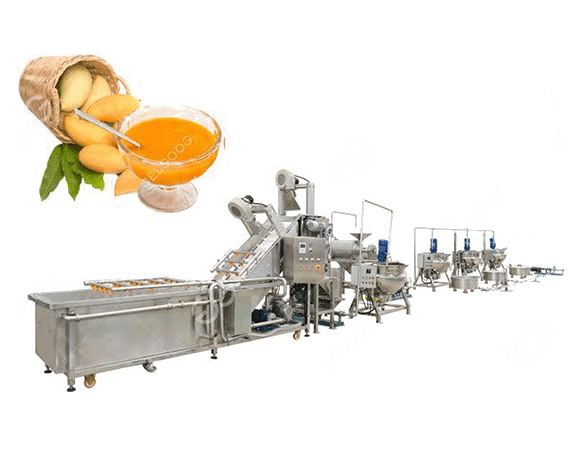
Pulper plant play an important role in making paper and recycling waste paper. They help break down raw materials like paper scraps, cardboard, or fibers into pulp that can be reused. Even though these plants are very useful, they can face many daily problems during operation. If these challenges are not solved on time, they can slow down work, waste energy, and increase costs.
In this blog, we will look at the most common operational challenges in pulper plants and explain simple ways to solve them.
1. Blockages and Clogging
The Problem
One of the most common issues is clogging. This happens when unwanted materials like plastic, wire, sand, or cloth enter the system. These materials can block pipes, screens, or rotors, causing the plant to stop working properly.
The Solution
-
Sort raw materials before feeding them into the system
-
Use good-quality screens and cleaners
-
Clean and inspect equipment regularly
Preventing blockages saves time and avoids sudden shutdowns.
2. High Energy Consumption
The Problem
Pulper plants can use a lot of electricity. Old machines, poor maintenance, or incorrect operating speeds can increase power usage.
The Solution
-
Use energy-efficient motors
-
Run machines at the correct speed
-
Maintain blades and rotors so they work smoothly
Reducing energy use lowers electricity bills and helps the environment.
3. Poor Pulp Quality
The Problem
Sometimes the pulp is not smooth or clean enough. This can happen if fibers are not mixed well or if contaminants remain in the pulp.
The Solution
-
Maintain proper mixing time
-
Check water levels and temperature
-
Remove contaminants early in the process
Good pulp quality is important for making strong and clean paper products.
4. Equipment Wear and Tear
The Problem
Parts like blades, bearings, and screens slowly wear out due to constant use. If ignored, this can lead to breakdowns.
The Solution
-
Follow a regular maintenance schedule
-
Replace worn parts on time
-
Use durable, high-quality components
Regular care helps machines last longer and work better.
5. Water Management Issues
The Problem
Pulper plants use a lot of water. Too much water can weaken pulp, while too little can cause thick mixtures that are hard to process.
The Solution
-
Monitor water usage carefully
-
Reuse process water when possible
-
Fix leaks immediately
Smart water management saves resources and improves efficiency.
6. Safety Risks for Workers
The Problem
Machines with moving parts, wet floors, and heavy materials can be dangerous if safety rules are not followed.
The Solution
-
Train workers properly
-
Use safety guards and signs
-
Keep work areas clean and dry
A safe workplace protects people and improves productivity.
7. Inconsistent Raw Materials
The Problem
Different types of waste paper behave differently during pulping. This can cause uneven results in the pulp plant.
The Solution
-
Separate raw materials by type
-
Adjust settings based on material quality
-
Test pulp regularly
Consistent input leads to consistent output.
Final Thoughts
Running a pulper plant smoothly requires attention, care, and regular maintenance. Most operational challenges can be avoided by using clean raw materials, maintaining equipment, saving energy, and training workers well. When problems are solved early, the entire system becomes more efficient, safer, and cost-effective.
By understanding these common challenges and their solutions, plant operators can ensure better performance and longer equipment life.