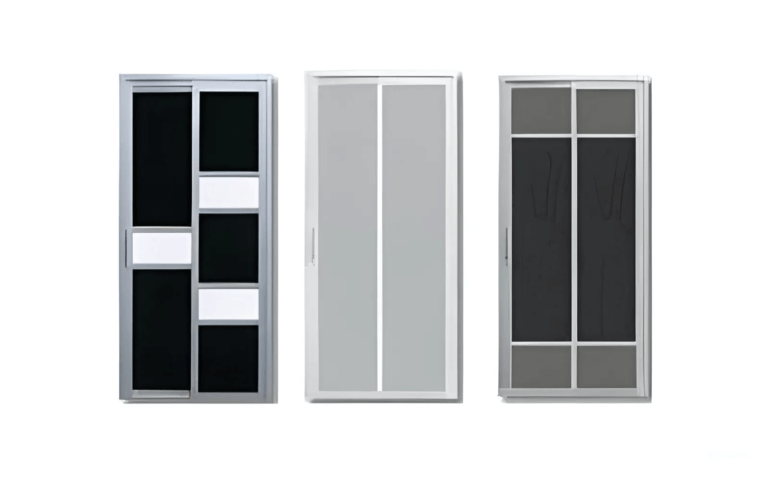
Choosing a kitchen door may feel simple, yet it shapes comfort, safety, and daily ease. Many homeowners chase style first and miss details that guide long-term use. Over time, small errors spark noise, damage, or wasted space. In a busy home, each choice must support smooth movement and care. A well-planned kitchen door in Singapore must face heat, moisture, and steady use without strain. By spotting common mistakes early, you steer clear of choices that protect function and design while keeping the kitchen pleasant each day.
Ignoring Space Limits
In most homes, kitchens demand careful planning. When measurements get ignored, doors scrape walls or block walkways. Consequently, daily movement feels tight and stressful. Space always sets the rules, so doors must follow them.
- While measuring wall width and floor clearance
- Even check swing paths near counters
- Also, allow room for people and tools
Space Comes First
A door should glide or swing with ease. Otherwise, tight layouts create daily trouble. For this reason, doors must respect corners, cabinets, and work zones to keep movement smooth.
Forgetting Door Direction
Door direction often slips attention. However, it shapes comfort every day. Some doors open into work zones, while others block switches or storage.
- Keep checking the left or right opening needs.
- Even watch nearby drawers and shelves
- Keep test opening angles before fixing.
Direction Shapes Movement
A door should guide flow rather than break it. Since kitchens stay busy, the correct direction supports steady movement and safer work.
Choosing the Wrong Style
Style attracts attention first. Still, function keeps peace in the long run. Many buyers chase looks and forget daily use. A slide and swing door fits some layouts, yet it may fail in others.
- Each match door style with kitchen flow
- Even balance looks with movement.
- Keep test door paths in real space
Match Style With Use
A door should serve cooking needs, not block them. Therefore, form must support purpose to avoid daily frustration.
Overlooking Frame Thickness
Frames support doors and hold them steady. When frames stay thin, they bend or loosen over time. As a result, noise and gaps appear.
- Check frame depth and strength.
- Match the frame with the wall thickness.
- Ensure tight-fitting joints
Frames Hold the System
A strong frame keeps the door firm. Although frames stay hidden, they shape long-term use and comfort.
Skipping Material Checks
Kitchen doors face steam, grease, and knocks. Weak materials chip, swell, or fade. Hence, strong choices save time and effort.
- Pick moisture-safe materials
- Check hinges and frames.
- Feel the surface strength by hand.
Strength Beats Shine
A solid door resists wear and keeps its shape for years. While shine looks nice, strength brings lasting value.
Ignoring Finish Quality
Finishes protect surfaces from damage. When finishes stay poor, peeling and stains appear fast. Moreover, cleaning becomes harder.
- Look for sealed edges.
- Check surface texture
- Wipe test for stains.
Finish Protects Daily Use
A good finish guards against spills and heat. Since kitchens stay active, protection matters each day.
Forgetting Daily Use
Kitchens buzz with action from morning to night. Doors open during meals, chats, and chores. When this rhythm gets ignored, jams and noise follow.
- Think about hand reach.
- Choose handles with a grip.
- Ensure smooth tracks or hinges.
Flow Matters
A slide and swing door must support movement during busy hours. Otherwise, it slows down work and breaks the comfort.
Picking Poor Hardware
Handles, locks, and hinges shape daily use. Weak hardware loosens fast and causes stress over time.
- Check metal strength
- Test grip comfort
- Ensure smooth hinge motion.
Hardware Shapes Feel
Strong hardware offers control and ease. Because hands touch it often, quality affects comfort.
Overlooking Ventilation and Light
Some doors trap heat or block light. Consequently, cooking feels tiring and unsafe.
- Allow air paths
- Let light pass when needed.
- Balance privacy with openness.
Air and Light Support Comfort
Good airflow cools the space, while light lifts mood and safety. Therefore, balance keeps kitchens pleasant.
Ignoring Noise Control
Certain doors slam or rattle. Over time, noise breaks the peace and distracts focus.
- Test closing sound
- Check soft close options.
- Inspect track fit
Silence Improves Ease
Quiet doors support calm cooking. Since sound travels fast, control adds comfort.
Skipping Safety Needs
Safety plays a key role in busy kitchens. Sharp edges or heavy panels raise risk, especially for families.
- Check edge finish
- Choose stable panels
- Ensure child-safe locks
Safety Builds Trust
A safe door protects everyone. Because kitchens host daily activity, safety remains vital.
Forgetting Cleaning Ease
Grease and spills mark kitchen doors often. When surfaces are hard to clean, effort increases.
- Choose smooth surfaces
- Avoid deep grooves
- Check stain resistance
Clean Surfaces Save Effort
Easy cleaning keeps kitchens fresh. As a result, time and energy stay saved.
Missing Long-Term View
Many focus only on current looks. However, doors last for years and face steady wear.
- Think about ageing
- Check repair ease
- Consider future needs
Think Beyond Today
A door should grow with the home. Since needs change, flexibility brings value.
Overlooking Installation Fit
Even strong doors fail with poor fitting. Gaps and misalignment soon spoil the use and look.
- Ensure level fitting
- Check the wall condition.
- Confirm seal strength
Fit Defines Performance
Good fitting brings smooth action. Because small errors grow over time, careful work matters.
Forgetting Climate Impact
Heat and humidity affect doors. Some materials react and lose shape under stress.
- Check climate-suited materials
- Allow expansion gaps
- Use moisture guards
Climate Shapes Choice
Doors must suit local weather. Since kitchens face steam, planning prevents damage.
Rushing the Decision
Quick choices often lead to regret. Instead, thoughtful steps bring lasting comfort.
- Take time to compare.
- Test samples
- Review needs
Patience Pays Off
A calm choice rewards daily use. Because doors shape kitchen life, care always matters.
By avoiding these mistakes, you gain a door that fits the space, use, and comfort. In the end, a thoughtful choice supports every meal and moment while keeping the kitchen safe, bright, and pleasant.
Neglecting Door Weight Balance
A kitchen door should feel steady and easy to move. When weight balance is ignored, doors drag, slam, or strain hinges over time. As a result, daily tasks feel harder, and repairs appear sooner. In many cases, this strain slowly disrupts comfort and safety. For this reason, thoughtful balance keeps movement smooth and controlled, while also reducing stress on door parts.
Why Weight Balance Matters
- Heavy panels, therefore, need strong support.
- Poor balance, in turn, causes uneven movement.
- Strain, over time, shortens hinge life.
- Smooth motion, as a result, improves daily comfort.
Overlooking Handle Placement Comfort
Handle placement guides how hands move during cooking. When handles sit too high or too low, doors feel awkward during use. As a result, spills or strain often follow during busy moments. In such cases, correct placement supports ease, safety, and steady control throughout the day.
How Placement Shapes Use
- Natural reach, in most cases, reduces effort.
- Proper height, therefore, avoids wrist strain.
- Clear grip, in turn, supports quick access.
- Comfort, as a result, improves daily flow.
Final Thought
A kitchen door holds a quiet but strong role in daily life. When chosen with care, it guides flow, safety, and comfort for years. Poor choices invite trouble and regret. Thinking ahead helps you dodge repairs and stress later. The right kitchen door in Singapore blends space, strength, and ease while fitting local needs. With patience and clear planning, you shape a kitchen that feels calm and works well. Smart decisions today build smoother routines and happier moments tomorrow.