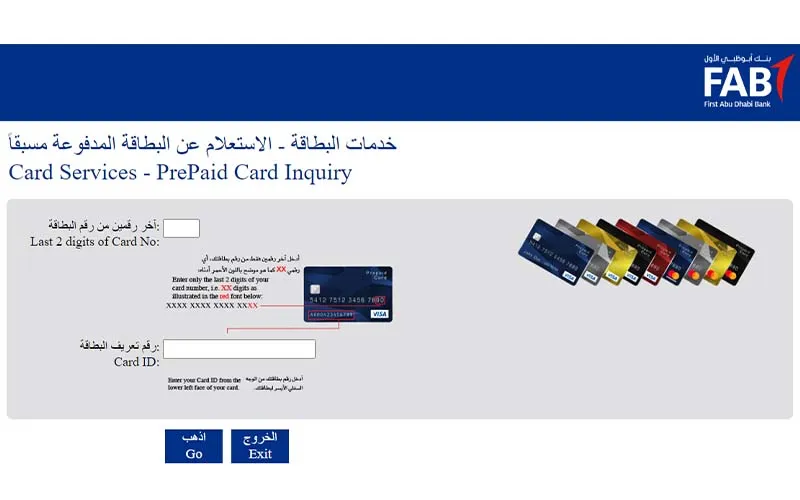
A fab balance check is a crucial component of financial management, whether for individuals or businesses. It involves reviewing financial records and statements to ensure that the balances align, which can help prevent discrepancies. Many people and organizations, however, make common mistakes during this process that can lead to incorrect conclusions and financial loss. This article will identify these mistakes and provide guidance on avoiding them.
Understanding the Fab Balance Check
Before we delve into the common mistakes, it’s essential to grasp what a fab balance check entails. Essentially, a balance check involves calculating the total amounts in various accounts and confirming that these figures match your records. This could include bank accounts, accounts receivable, accounts payable, and other relevant financial statements.
1. Neglecting Regular Checks
One of the most significant mistakes individuals and businesses make is neglecting regular balance checks. Performing checks sporadically can lead to discrepancies accumulating over time. A routine schedule—be it weekly, monthly, or quarterly—ensures that any issues can be addressed promptly. Failing to conduct regular checks can result in missed opportunities to rectify errors or investigate suspicious activities, which could ultimately affect your financial health.
2. Inconsistent Record-Keeping
Inconsistent record-keeping is another critical pitfall. To conduct an accurate fab balance check, you need reliable and organized financial records. If transactions are recorded inconsistently, it becomes challenging to conduct a thorough review. For instance, if expenses are logged in various formats or inconsistent account categories are used, the resulting confusion can lead to errors. Therefore, maintaining a consistent system for recording transactions is essential for effective balance checks.
3. Ignoring Outstanding Transactions
When performing a balance check, many individuals overlook outstanding transactions, such as pending invoices or uncashed checks. These transactions can create a false sense of security in your financial statements. Failing to account for them can present an inaccurate picture of your actual financial standing. Always factor in all outstanding transactions to have a complete and accurate overview during your balance check.
4. Inadequate Reconciliation Procedures
Reconciliation is a vital part of a fab balance check. This process involves matching the balances from different accounts and sources to ensure they are consistent. A common mistake is to skip this step or perform it inadequately. Proper reconciliation procedures can reveal discrepancies between internal records and external statements, such as bank statements. Ensure that reconciliation is thorough, involving verification of transactions against your records.
5. Relying Solely on Automated Systems
In today’s digital age, many people rely heavily on automated accounting software for balance checks. While technology improves efficiency, solely depending on these systems can lead to oversight of nuanced errors. Automated systems might miss discrepancies that manual checks could catch—such as duplicate entries or incorrect classifications. It’s essential to complement automation with manual reviews for a comprehensive balance check.
6. Failing to Update Financial Statements
Another common misstep is neglecting to update financial statements regularly. Outdated statements can lead to inaccurate balance checks. If financial records are not current, any checks performed will not reflect the real-time financial standing, potentially leading to misguided financial decisions. Always ensure that your financial statements are updated before conducting a balance check.
7. Overlooking Tax Implications
Tax considerations play a crucial role in financial management. During a fab balance check, some individuals and businesses fail to consider the tax implications of their financial activities. Tax liabilities can affect net income and overall balance. It is advisable to integrate tax considerations into your calculations during balance checks to avoid surprises during tax filing season.
8. Lack of Collaboration
For businesses, balance checks are often a collective effort involving various departments. A common error is the lack of collaboration between teams—such as accounting, sales, and operations. Important financial insights can be missed if these teams are not aligned. Encourage communication and collaboration to gather comprehensive data for your balance checks.
9. Failing to Look for Patterns
Another mistake is taking a snapshot view of finances without looking for trends and patterns. A fab balance check should not only be about pinpointing current figures but also about identifying trends over time. For instance, recurring discrepancies may signal underlying issues that need addressing. Regularly analyzing past data can provide valuable insights for future financial decision-making.
10. Ignoring External Resources or Advisors
Many individuals and businesses try to manage their finances without seeking external advice. Ignoring the potential benefits of consulting with financial advisors or accountants can be detrimental. These professionals can provide insights and advice that enhance the effectiveness of your balance checks. Their expertise can help identify areas that need further attention or highlight potential financial risks.
Conclusion
A fab balance check serves as a foundation for sound financial management. By avoiding these common mistakes, individuals and businesses can perform more effective balance checks, leading to better decision-making and financial health. Incorporating consistent record-keeping, regular checks, and awareness of outstanding transactions into your balance checks will yield more accurate and reliable results.
Ultimately, your financial stability depends on the diligence with which you execute your balance checks. By adhering to these best practices and remaining vigilant, you can achieve a clearer understanding of your financial position and make informed decisions. Remember that financial management is an ongoing process, and regular evaluation through balance checks is key to maintaining a robust financial framework.