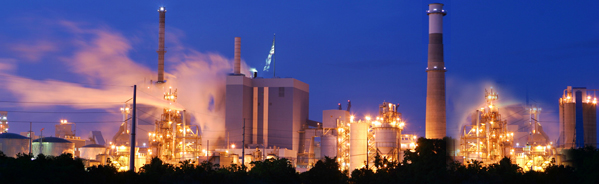
Natural gas processing facilities operate under demanding conditions where reliability, safety, and efficiency must coexist. Design decisions made early in a project often define operating costs and performance for decades. Unfortunately, many projects repeat the same design mistakes, resulting in avoidable downtime, rework, and financial loss.
Understanding these pitfalls and addressing them through disciplined chemical engineering process practices is essential. Careful planning and thoughtful chemical plant layout design significantly improve safety, operability, and long-term value.
Underestimating Feed Gas Variability
One of the most common mistakes in natural gas facility design is assuming consistent feed gas composition. In reality, gas quality can change due to reservoir depletion, field expansions, or upstream operational changes.
If systems are designed for a narrow range of compositions, even minor variations can cause:
- Inadequate dehydration performance
- Amine system instability
- Sulfur recovery bottlenecks
- Off-spec gas delivery
Avoiding this mistake requires comprehensive feed characterization and conservative design margins. Robust chemical engineering process analysis ensures systems remain stable across realistic operating scenarios.
Poor Chemical Plant Layout Design
Layout decisions impact everything from maintenance access to safety compliance. Many facilities suffer from congested layouts driven by aggressive cost compression during early design.
Common layout errors include:
- Insufficient equipment spacing
- Restricted access for cranes and maintenance teams
- Poor segregation of hazardous areas
- Inefficient routing of piping and utilities
Effective chemical plant layout design prioritizes operability and safety over short-term land or structural savings. Thoughtful spatial planning reduces maintenance time, improves inspection access, and minimizes operational disruptions.
Inadequate Heat Integration and Energy Management
Energy costs are a major operating expense for natural gas facilities. Poor heat integration design leads to excess fuel consumption and lost efficiency.
Examples include:
- Missing opportunities for heat recovery
- Oversized heaters operating at low efficiency
- Inefficient process temperature sequencing
Proper chemical engineering process optimization identifies opportunities to reuse waste heat and balance thermal loads. Improving heat integration during design often costs little compared to retrofitting after startup.
Overlooking Water and Contaminant Management
Water, heavy hydrocarbons, mercury, and acid gases pose serious challenges in gas processing systems. Designs that underestimate these contaminants experience increased corrosion, fouling, and safety risks.
Typical mistakes involve:
- Inadequate dehydration capacity
- Improper materials selection
- Insufficient water knockout upstream of compressors
Avoidance requires integrating water and contaminant management into the process design from the beginning. Materials of construction, separation systems, and monitoring strategies must reflect real feed conditions.
Insufficient Focus on Operability and Maintenance
Facilities that operate well on paper often struggle in real-world conditions. Designs that ignore operator workflows and maintenance requirements create operational friction.
Common oversights include:
- Valves placed out of reach
- Poorly positioned sample points
- Lack of isolation capability for maintenance
- Control systems that overwhelm operators with alarms
Good chemical plant layout design incorporates operator input and maintenance planning during the design phase. This leads to safer startups and smoother long-term operation.
Improper Equipment Sizing and Flexibility
Designers sometimes oversize equipment to account for uncertainty, believing it provides future flexibility. In practice, oversized equipment often operates outside ideal ranges.
Problems include:
- Reduced efficiency
- Control instability
- Increased energy consumption
Conversely, undersized systems restrict throughput and limit future expansion. Sound chemical engineering process calculations and realistic design bases help strike the right balance between flexibility and efficiency.
Weak Integration Between Process and Safety Design
Safety systems that are treated as add-ons rather than integral components introduce risk. Pressure relief, emergency shutdowns, and hazard zoning must align with process behavior.
Design shortcomings include:
- Inadequate relief capacity analysis
- Poor flare and vent system integration
- Emergency systems that conflict with operational needs
Embedding safety analysis within the chemical engineering process ensures hazards are identified and mitigated before construction begins.
The Role of R.C. Costello & Associates, Inc.
R.C. Costello & Associates, Inc. brings extensive experience in designing and evaluating natural gas processing facilities. Their approach emphasizes practical chemical engineering process analysis combined with effective chemical plant layout design.
By considering feed variability, operability, safety, and lifecycle costs together, the firm helps clients avoid common design mistakes that undermine long-term performance. Their hands-on engineering perspective ensures facilities operate as efficiently in the field as they do in design models.
Conclusion
Natural gas processing facility design involves complex technical and operational challenges. Many costly mistakes stem from early design shortcuts or unrealistic assumptions rather than equipment failure.
Avoiding these pitfalls requires rigorous chemical engineering process discipline and carefully planned chemical plant layout design. When engineering decisions reflect real-world operating conditions, facilities achieve safer operations, lower costs, and greater reliability.
Engaging experienced engineering support early in the project lifecycle transforms risk into long-term operational advantage.