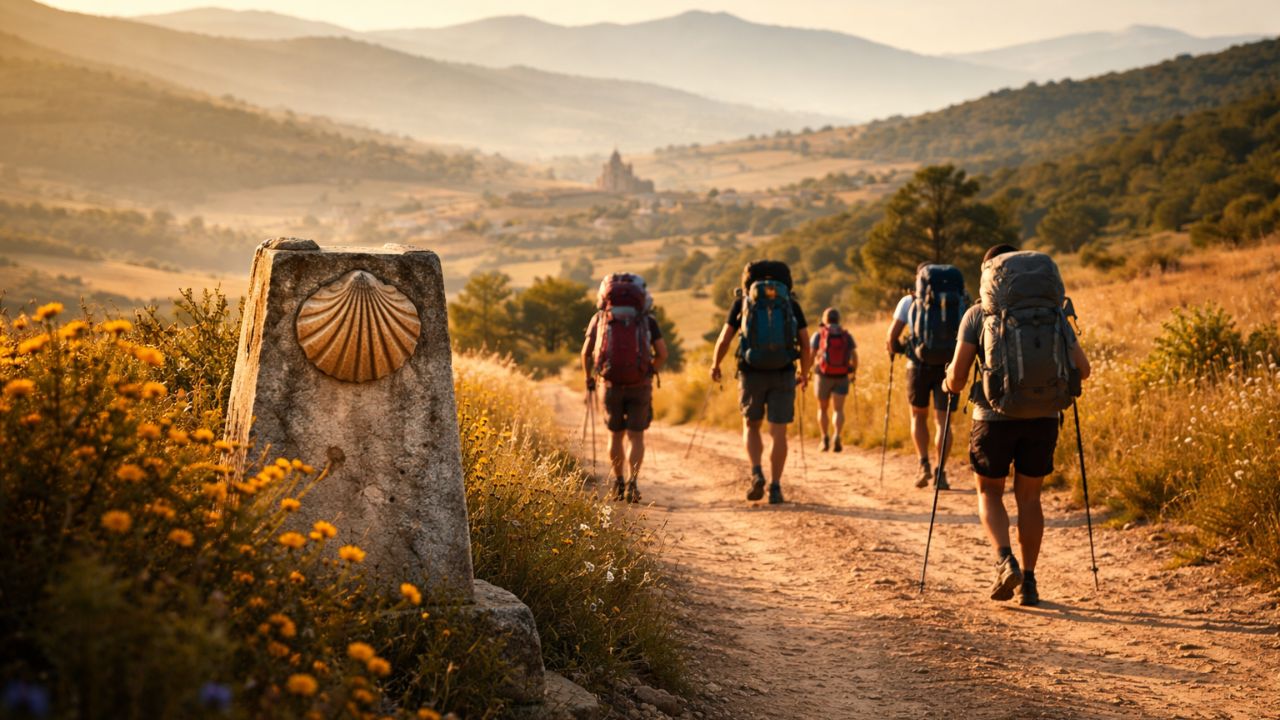
For many seasoned hikers, the Camino de Santiago appears straightforward on paper. Daily distances seem reasonable, towns are frequent, and the route is well marked. Yet once walking begins, even experienced long-distance walkers often realize that this journey demands a different kind of endurance. The challenge is not about raw fitness alone, but about how the route quietly tests patience, adaptability, and long-term consistency.
Unlike isolated wilderness trails, this route blends physical effort with constant interaction, structured routines, and repetitive surfaces. These factors combine to create fatigue that builds slowly and catches even confident walkers off guard.
Understanding the Route Beyond Distance and Maps
The Camino de Santiago is shaped by centuries of use, not modern trail design. Much of the path moves through villages, farmland, and urban areas rather than remote terrain. This changes how walking days feel and how the body responds.
Hard surfaces like pavement and stone are common. While technically easy, they place repeated stress on joints and feet. Over time, this constant impact becomes more draining than uneven dirt trails.
There is also an underlying structure to each day. Meals, accommodations, and town spacing influence walking decisions. Even independent walkers often find themselves adjusting to an unspoken rhythm shared by many others.
Why Camino de Santiago Challenges Experienced Long-Distance Walkers Physically
Physical difficulty on this route is rarely dramatic. Instead of extreme climbs or technical sections, the strain comes from repetition. Rolling terrain never fully allows the body to settle into recovery.
Many experienced walkers start strong and increase mileage early, assuming their conditioning will carry them through. This often leads to overuse injuries because the surface and pacing demands differ from other long routes.
Sleep quality can also suffer. Shared accommodations, early mornings, and unfamiliar routines reduce recovery time. Over weeks, small physical issues compound into larger problems.
Mental Fatigue Builds Faster Than Expected
Mental strain plays a bigger role than many anticipate. Walkers accustomed to solitude often find constant social interaction tiring. Conversations begin easily and end unpredictably, leaving little quiet time to reset.
Repetition adds another layer. Long straight paths and similar scenery can dull motivation. Without dramatic landmarks or frequent changes, staying mentally engaged requires effort.
This combination of social presence and routine can feel surprisingly heavy, especially for those who expected a simpler experience.
Social Pressure and Shared Spaces
Walking alongside others affects daily decisions. Pace adjustments, rest stops, and overnight plans are influenced by group dynamics, even when unintended.
Shared sleeping spaces limit privacy and disrupt rest. Noise, lights, and early departures are part of daily life. These conditions challenge emotional balance and patience over time.
For walkers used to self-contained trips, adapting to shared environments can be more difficult than the walking itself.
When Experience Becomes a Disadvantage
Prior success on other routes can create rigid expectations. Some walkers resist changing habits that worked elsewhere.
Common mistakes include skipping rest days, pushing through discomfort, or relying on gear choices better suited for remote trails. Measuring success only by distance walked often leads to burnout.
This route rewards flexibility. Those who adapt tend to finish stronger than those who try to dominate it.
Emotional Strain on Long Walking Days
Extended walking leaves space for reflection. Without constant distractions, thoughts surface easily. Fatigue amplifies emotional responses, making small frustrations feel larger.
Expectations also matter. When reality differs from imagined outcomes, disappointment can set in. Accepting the journey as it unfolds helps maintain balance.
Learning to pause, adjust, and reset becomes just as important as physical stamina.
Read Also: Mindfulness Practices for Teachers to Reduce Stress
Preparing With Realistic Expectations
Preparation works best when it focuses on consistency rather than speed. Back-to-back moderate walking days are more effective than occasional long hikes.
Foot care deserves priority due to hard surfaces and moisture changes. Simple routines often outperform complex systems.
Mental readiness matters too. Accepting unpredictability reduces stress and allows for better decision-making on the route.
Walking With Intention Instead of Pressure
Letting go of performance goals often leads to a better experience. Steady pacing and listening to the body help maintain energy over time.
For walkers who want structure without rigidity, the Camino Francés walking challenge by WyldWalk offers a practical way to engage with the route while respecting personal limits and recovery needs.
Conclusion
Understanding Why Camino de Santiago Challenges Experienced Long-Distance Walkers helps set realistic expectations before the first step. The difficulty lies not in extreme terrain, but in repetition, social dynamics, and long-term endurance.
Those who approach the journey with flexibility and awareness often gain more than those who rely solely on past experience. With the right mindset, the challenge becomes meaningful rather than overwhelming.