TL;DR
- Buying the right diesel particulate filter helps maintain emissions compliance and engine efficiency.
- DPF issues often impact overall exhaust and engine performance if ignored.
- Compatibility and quality matter more than price alone.
- Supporting components like the diesel fan clutch also influence engine health and regeneration efficiency.
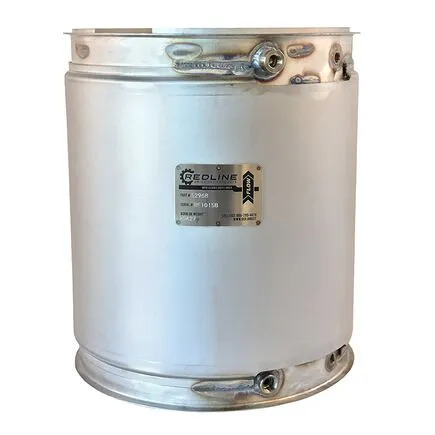
A diesel particulate filter is a critical emissions component designed to capture and store soot from diesel exhaust gases. When functioning correctly, it helps diesel engines meet emissions standards while maintaining smooth performance. When it fails or becomes excessively clogged, engine efficiency, fuel economy, and drivability can quickly decline.
For vehicle owners and fleet operators planning to buy a diesel particulate filter, understanding how it works, when replacement is needed, and what to look for in a quality unit is essential. Choosing the right DPF not only restores compliance but also protects other diesel performance components from unnecessary strain.
What a Diesel Particulate Filter Does
A diesel particulate filter is installed in the exhaust system to trap microscopic soot particles produced during combustion. Over time, these particles accumulate and are burned off through a process known as regeneration.
- Soot capture: Traps harmful particulate matter before it exits the exhaust.
- Regeneration cycle: Burns collected soot at high temperatures to clear the filter.
- Emissions control: Helps diesel vehicles meet federal and state emissions regulations.
When regeneration is interrupted or incomplete, the filter can clog, leading to reduced engine performance and warning lights.
Signs It’s Time to Buy a Diesel Particulate Filter
A failing or overloaded DPF often shows clear operational symptoms. Recognising these early can prevent further engine damage.
- Frequent warning lights: Persistent DPF or check engine alerts.
- Reduced engine power: Limp mode activation to protect the engine.
- Poor fuel efficiency: Increased fuel consumption due to backpressure.
- Failed regeneration attempts: Excessive soot buildup that cannot be burned off.
At this stage, cleaning may no longer be effective, making replacement the more reliable option.
Factors to Consider When Buying a Diesel Particulate Filter
Not all DPFs offer the same performance or longevity. Selecting the right diesel particulate filter requires attention to both vehicle requirements and operating conditions.
- Vehicle compatibility: Must match engine type, year, and emissions system.
- Material quality: High-grade substrates handle heat and regeneration cycles better.
- Flow design: Proper airflow reduces backpressure and supports efficient combustion.
- Regulatory compliance: Should meet EPA and OEM emission standards.
A well-matched filter helps restore factory-level performance while reducing long-term maintenance issues.
How Other Components Affect DPF Performance
The diesel particulate filter does not operate in isolation. Supporting engine and cooling components play an important role in maintaining proper exhaust temperatures.
- Diesel fan clutch: Regulates engine cooling and supports consistent operating temperatures.
- Exhaust sensors: Monitor pressure and temperature for regeneration control.
- Fuel injection system: Affects soot production and combustion efficiency.
A malfunctioning diesel fan clutch, for example, can disrupt temperature regulation, leading to incomplete regeneration and faster DPF clogging.
Installation and Replacement Considerations
Replacing a diesel particulate filter requires careful handling to ensure proper fitment and operation.
- Correct positioning: Ensures accurate sensor readings and exhaust flow.
- Sensor inspection: Pressure and temperature sensors should be checked during replacement.
- ECU reset or relearn: Some systems require recalibration after installation.
Professional installation helps prevent premature failure and ensures the new filter performs as intended.
Benefits of Choosing a Quality Diesel Particulate Filter
Investing in a reliable DPF offers both performance and compliance advantages.
- Restored engine power: Reduces exhaust restriction and backpressure.
- Improved fuel efficiency: Supports cleaner combustion cycles.
- Emissions compliance: Helps avoid fines and inspection failures.
- Extended component life: Reduces strain on turbochargers and exhaust systems.
A properly functioning filter supports overall engine longevity, especially in high-mileage or heavy-duty applications.
Final Recommendations
Choosing to buy a diesel particulate filter is a decision that directly impacts engine performance, emissions compliance, and long-term reliability. A well-built, vehicle-specific DPF helps maintain proper exhaust flow, supports efficient regeneration, and protects critical engine components from excess heat and pressure.
Equally important is ensuring that related parts, such as the diesel fan clutch, are operating correctly. When all systems work together, diesel engines run cleaner, stronger, and more consistently. Selecting the right diesel particulate filter is not just about replacement but also about restoring balance across the entire diesel system.
Frequently Asked Questions (FAQs)
Can a diesel particulate filter be cleaned instead of replaced?
Cleaning can work for moderate soot buildup, but heavily damaged or cracked filters usually require replacement.
Does a new DPF improve fuel economy immediately?
Yes. Reduced backpressure often results in noticeable improvements in fuel efficiency and throttle response.
How long does a diesel particulate filter typically last?
Lifespan varies, but most DPFs last between 100,000 and 150,000 miles with proper maintenance.
Can cooling issues affect DPF lifespan?
Yes. Faulty components like a diesel fan clutch can disrupt exhaust temperatures and accelerate clogging.
Is it safe to drive with a clogged DPF?
Continued driving with a blocked filter can cause engine damage and trigger limp mode, making timely replacement important.