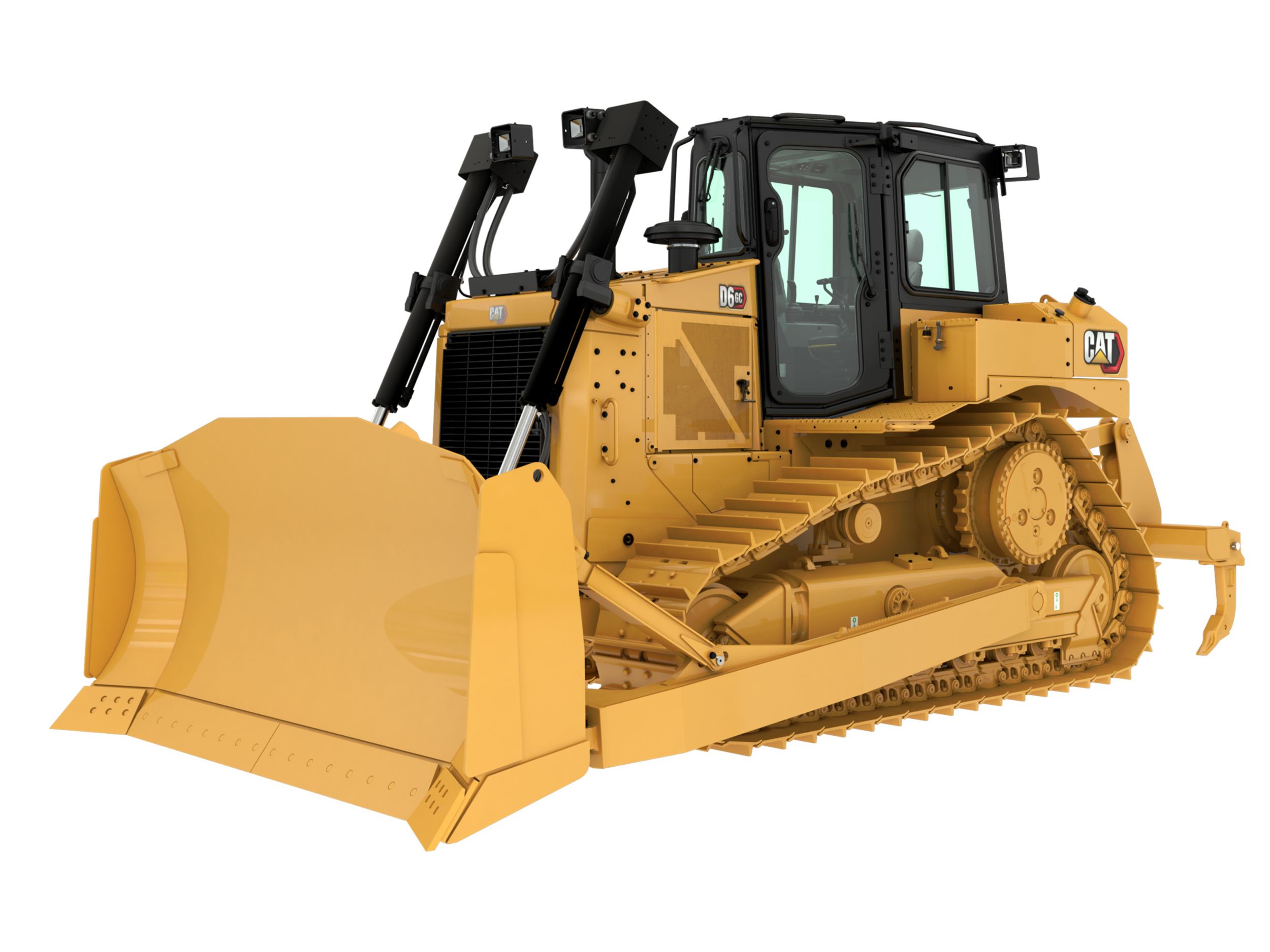
A bulldozer is one of the most recognisable machines on a construction site. Powerful, heavy, and built for demanding work, a Bulldozer can move vast amounts of material in minutes. That same power, however, means that a Bulldozer must always be operated with care. On busy UAE construction sites, where heat, dust and tight schedules are part of daily life, Bulldozer safety is not optional — it is essential.
For UAE construction professionals managing or supporting projects in the UAE, understanding how a Bulldozer should be used safely helps protect workers, avoid costly downtime and meet international safety expectations. This guide explains practical, easy-to-follow Bulldozer safety protocols that work in real site conditions, not just on paper.
Understanding Bulldozer risks on UAE construction sites
Bulldozers operate in constantly changing environments. Ground conditions shift, visibility changes, and people often work close to moving machinery. In the UAE, these risks increase due to high temperatures, airborne dust and large-scale developments running on tight timelines.
Heat can affect both the machine and the operator. Long hours inside a cab reduce concentration, while dust can quickly limit visibility. Bulldozers also have natural blind spots, especially when reversing or working near edges. Without proper planning and awareness, these factors can lead to collisions, rollovers or serious injuries.
Recognising these risks early allows site managers to put practical controls in place before work begins.
Bulldozer pre-operation checks that matter.
Before starting a shift, operators should always inspect the Bulldozer. These checks do not take long, but they make a major difference to safety.
The operator should look over the tracks and undercarriage for signs of damage or wear. Hydraulic hoses, fluid levels and cooling systems need close attention, especially in hot conditions. Controls, brakes, lights and warning alarms must be tested before movement begins. Mirrors, cameras and sensors should be clean and properly aligned so the operator has a clear view at all times.
These daily checks often catch small issues before they turn into breakdowns or accidents on site.
Operator training and experience with Bulldozers
A Bulldozer should only be operated by someone who is properly trained and assessed. Formal certification is important, but experience and site awareness matter just as much.
Operators must understand how the machine behaves on slopes, soft ground and uneven surfaces. They should know safe blade positioning, correct turning techniques and how to respond if the machine becomes unstable. Site induction is equally important, as every project has different access routes, exclusion zones and hazards.
Regular refresher training helps operators stay sharp and adapt to new equipment or working conditions.
Safe communication around working Bulldozers
Poor communication causes many site accidents. When Bulldozers are operating, everyone nearby needs to know what is happening.
Operators should stay in constant contact with banksmen or spotters, especially in congested areas. Radios are useful, but clear hand signals remain essential when noise levels rise. Pedestrian routes must stay separate from plant movement wherever possible, and no one should approach a Bulldozer unless the operator has acknowledged them.
Simple communication rules, followed consistently, reduce confusion and prevent dangerous misunderstandings.
Visibility and blind spot control for Bulldozer operations
Even experienced operators cannot see everything around a Bulldozer. Blind spots are unavoidable, which is why additional controls are needed.
Modern Bulldozers should be fitted with reversing cameras, mirrors and proximity warning systems. These tools support the operator but do not replace good judgment. Spotters should guide movements near trenches, edges or structures. When dust levels rise, operators must slow down and reassess whether work can continue safely.
Good visibility management protects both operators and ground workers.
Weather and environmental factors affecting Bulldozer safety
UAE weather plays a major role in site safety. High temperatures increase fatigue, while sand and wind affect traction and visibility.
Operators should take regular breaks and stay hydrated, even when working inside air-conditioned cabs. Equipment maintenance schedules should account for heat stress on engines and hydraulics. Night work requires extra lighting and careful planning to maintain visibility and awareness.
If conditions become unsafe, stopping work is always better than risking an incident.
Emergency response and incident reporting
Every site must be ready for the unexpected. Operators should know how to shut down a Bulldozer quickly in an emergency and understand site evacuation procedures.
First aid equipment must be accessible, and trained personnel should always be present. Any incident or near miss should be reported immediately. These reports are not about blame — they help prevent the same issue from happening again.
Strong reporting culture leads to safer sites over time.
Frequently Asked Questions
What certification does a Bulldozer operator need in the UAE?
Operators need recognised heavy plant training and employer approval. Most sites also require a full induction before work begins.
How often should a Bulldozer be inspected?
Operators should inspect the machine daily. Planned maintenance should follow the manufacturer’s service schedule.
What happens if visibility becomes poor due to dust or sand?
Speed should be reduced immediately. If visibility drops too far, work should stop until conditions improve.
Are safety systems mandatory on modern Bulldozers?
Yes. Alarms, cameras and warning systems are standard safety expectations on active construction sites.
Final thoughts
Bulldozer safety is not about slowing work down — it is about making sure work continues without injury, damage or delays. On UAE construction sites, where conditions can change quickly, consistent safety routines make a real difference. UAE professionals working in the region should focus on training, clear communication and reliable equipment to keep standards high.
For companies that value safety and performance, Al-Bahar remains a trusted heavy equipment supplier across the UAE. With reliable Bulldozers, expert technical support and ongoing maintenance services, Al-Bahar helps construction teams operate safely, confidently and efficiently on every project.
Thanks quantirum.com for this blog!