A hand stitched rasp is one of the most respected shaping tools in traditional craftsmanship. Unlike machine-cut alternatives, these rasps are individually punched by skilled makers, producing irregular teeth that cut more smoothly, clog less often, and offer superior control. For woodworkers, luthiers, and furniture makers, hand rasps remain indispensable for precision shaping where machines or straight cutting tools are ineffective. This article explores the best uses of a hand stitched rasp across woodworking, luthiery, and furniture making, and explains why it continues to be a core tool in fine craft traditions.
Why Hand Stitched Rasps Are Different
Hand stitched rasps are created through a labor-intensive process where each tooth is individually struck into the steel by hand. This results in a randomized tooth pattern that cuts efficiently while minimizing chatter and tear-out. Unlike machine-cut rasps, which create uniform grooves and can leave harsh marks, hand rasps produce smoother surfaces and greater control.
The varied tooth geometry allows material to be removed quickly without grabbing or skipping, making the tool easier to guide. This controlled cutting action is especially valuable when shaping complex curves or delicate components that require accuracy rather than speed.
Best Uses in Woodworking
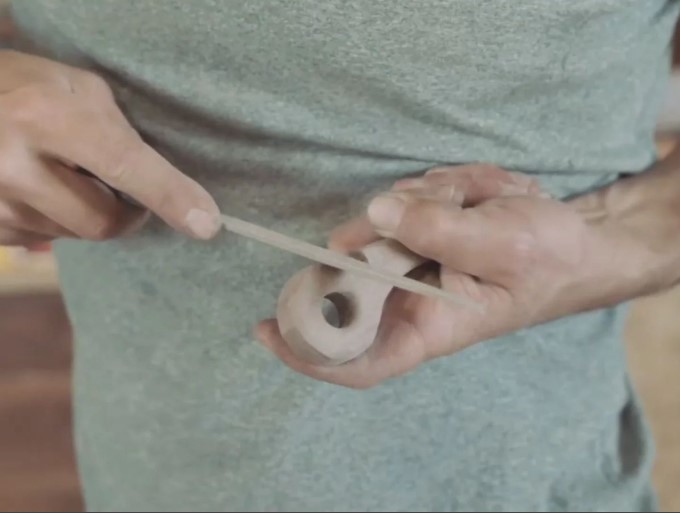
In woodworking, a hand stitched rasp is ideal for shaping organic and free-form elements. It is commonly used to sculpt chair legs, armrests, tool handles, and decorative contours that cannot be produced cleanly with saws or routers. The rasp allows the craftsman to gradually refine curves, transitions, and profiles while maintaining full tactile feedback.
Hand rasps are also frequently used for fitting and adjustment tasks. When joints are slightly too tight, a few careful strokes can fine-tune tenons, dovetails, or sliding joints without weakening the surrounding wood. Because a hand stitched rasp cuts cleanly even across changing grain directions, it is particularly effective in hardwoods where tear-out is a concern.
Best Uses in Luthiery
Luthiery demands exceptional precision, and the hand stitched rasp plays a critical role in shaping musical instruments. One of its most important uses is carving guitar and violin necks. Neck profiles must be comfortable, symmetrical, and consistent, and a rasp allows controlled shaping that follows the natural contours of the hand.
Luthiers also use hand rasps to shape braces, heel blocks, and internal structural elements. These components require subtle material removal rather than aggressive cutting. The smooth cutting action of a hand stitched rasp ensures accuracy while reducing the risk of removing too much material, which could affect tonal balance or structural strength.
Best Uses in Furniture Making
In furniture making, hand stitched rasps are widely used for shaping decorative elements and ergonomic features. Cabriole legs, curved aprons, sculpted edges, and carved details all benefit from the control these tools provide. Furniture makers often rely on hand rasps to refine shapes after roughing them out with saws or chisels.
Another key application is blending transitions between flat and curved surfaces. Whether shaping an armchair seat or refining a table edge, a hand stitched rasp allows smooth transitions that would be difficult to achieve with power tools alone. This level of refinement is essential for high-end furniture where comfort and aesthetics are equally important.
Choosing the Right Rasp for the Task
Different grain sizes and profiles serve different purposes. Coarser rasps are suitable for rapid material removal during early shaping stages, while finer rasps are used for refinement before sanding or scraping. Many professionals keep several hand rasps on hand to match the tool to the task, ensuring efficiency and precision throughout the process.
Conclusion
A hand stitched rasp remains one of the most versatile and reliable shaping tools in woodworking, luthiery, and furniture making. Its ability to remove material efficiently while maintaining exceptional control makes it invaluable for detailed work and organic forms. Even in modern workshops filled with machines, skilled craftsmen continue to rely on hand rasps for tasks that demand precision and feel. When combined thoughtfully with other tools, including modern wood shaping power tools, the hand stitched rasp continues to define the standard of fine craftsmanship.