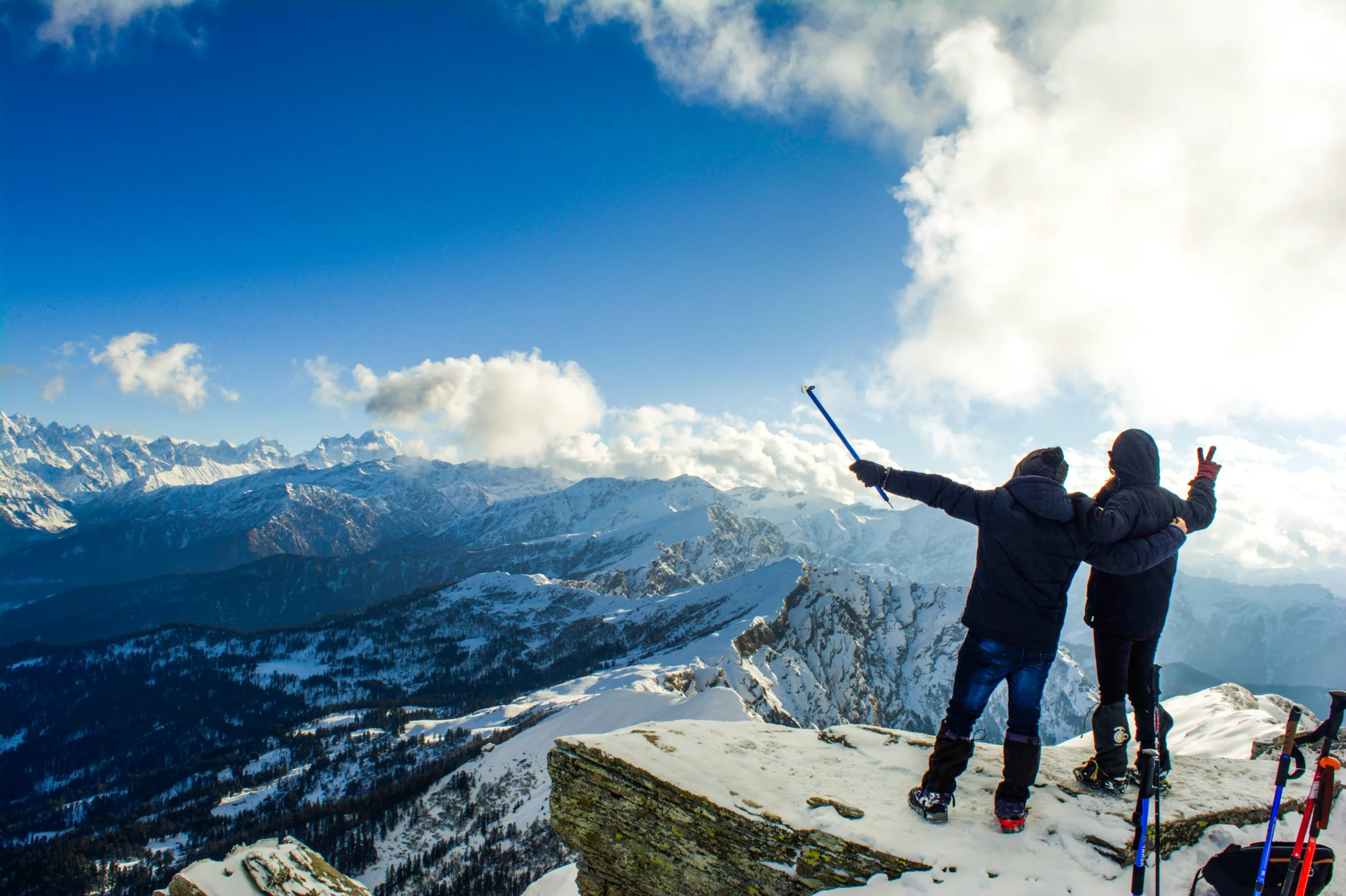
January is when I like trekking the most. The air is crisp, trails are quieter, and the mountains feel raw and honest. Yes, it’s cold. Yes, there’s snow. But that’s exactly the point. If you’re someone who enjoys real adventure—not just walking on crowded summer trails—January treks in India hit differently.
Over the years, I’ve explored and researched several winter treks, and I’ve also interacted with trekking communities and operators who specialize in cold-season expeditions. Based on that experience, here are the best treks in january india, without wasting time on impractical options.
Kedarkantha Trek – The Classic Winter Introduction
If January trekking had a face, it would be Kedarkantha. This trek is popular for a reason—it offers deep snow, forest trails, clearings, and a proper summit climb, all within a manageable duration.
What I personally like about Kedarkantha is how balanced it is. You don’t need prior high-altitude trekking experience, but you still feel like you’ve earned the summit. The climb on summit day is steep, silent, and snowy. When you reach the top, the 360-degree views of Swargarohini, Bandarpoonch, and Kalanag are worth every cold toe.
January temperatures can drop to -8°C at night, so this trek teaches discipline—layering, hydration, and listening to your body. I’ve noticed that teams led by experienced local guides tend to manage this trek much better in peak winter. Groups like The Searching Souls usually emphasize acclimatization and pacing here, which honestly matters more than fancy gear.
Best for: Beginners who want a true snow trek
Altitude: ~12,500 ft
Duration: 4–5 days
Brahmatal Trek – For Snow Lovers and Big Views
Brahmatal feels more open and expansive compared to Kedarkantha. Continuous snowfields, frozen lakes, and unbroken views of Mt. Trishul and Nanda Ghunti.
What stood out to me about Brahmatal in January is the solitude. Once you cross the tree line, the landscape feels untouched. Campsites are colder, nights are quieter, and mornings feel unreal when the sun hits the snow.
This trek requires slightly better fitness because of longer walking days and cold exposure. Route finding can also be tricky after heavy snowfall, which is why having a team that knows winter navigation is critical. I’ve seen smaller, focused groups—often run by community-based trekking outfits—handle this trek more responsibly than mass operators.
Best for: People with basic trekking experience
Altitude: ~12,250 ft
Duration: 5–6 days
Chopta–Tungnath–Chandrashila – Short but Powerful
If you don’t have a full week but still want snow, this is my go-to recommendation. Chopta in January is stunning—pine forests buried in snow, quiet roads, and a spiritual calm that’s hard to explain.
The climb to Tungnath (the highest Shiva temple in the world) and further to Chandrashila summit is short but steep. In winter, snow turns this into a proper adventure. Microspikes are often needed, and weather changes fast.
What I like here is the combination of culture, mythology, and mountain views—Nanda Devi, Chaukhamba, and Trishul all show up on a clear day. Because it’s accessible, people underestimate it. Don’t. January conditions demand respect.
Best for: Short winter getaways
Altitude: ~13,000 ft
Duration: 3–4 days
Dayara Bugyal – Wide Meadows Under Snow
Dayara Bugyal feels like walking inside a postcard. In January, the alpine meadows turn into vast white carpets, framed by oak forests and distant Himalayan peaks.
This trek isn’t technically difficult, but it’s physically demanding due to snow depth. What makes it special is the space—you don’t feel boxed in by trees or ridges. You walk, breathe, and just exist.
I’ve noticed that responsible trek organizers limit group size here to protect the meadows, especially in winter when the ecosystem is fragile. Treks led with this mindset tend to feel more personal and less rushed.
Best for: Beginners with decent fitness
Altitude: ~12,000 ft
Duration: 4–5 days
Kuari Pass – Winter Trek with History
Kuari Pass is often called the “Curzon Trail,” and it carries that old-world expedition vibe. January adds snow-covered forests and dramatic ridgelines overlooking Nanda Devi, which is honestly one of the most impressive sights in the Indian Himalayas.
This trek is longer and colder than Kedarkantha, but it rewards patience. Walking through oak and rhododendron forests under snow feels meditative. Camps are colder, and mornings are slow, but that’s part of the experience.
From what I’ve seen, Kuari Pass is best done with teams that prioritize safety over speed. Some trekking groups, including The Searching Souls, tend to focus on gradual altitude gain and proper winter briefings, which makes a big difference here.
Best for: Intermediate trekkers
Altitude: ~12,500 ft
Duration: 6–7 days
Things I Never Ignore While Trekking in January
January trekking isn’t forgiving. Here’s what I always keep in mind:
-
Layering matters more than brand names
-
Hydration is harder but more important
-
Short daylight hours mean strict discipline
-
Local guides know winter behavior better than apps
Choosing the right trek is only half the job. Choosing the right approach—slow, prepared, and respectful—makes or breaks the experience.
Final Thoughts
January treks in India are not about ticking boxes. They’re about silence, snow, and self-control. The mountains don’t entertain you in winter—you meet them on their terms. And when done right, that experience stays with you far longer than any summer hike.
Whether you’re starting with Kedarkantha or pushing yourself on Kuari Pass, go prepared, go humble, and go with people who understand winter mountains—not just sell them.
FAQs
1. Is January safe for trekking in India?
Yes, if you choose winter-appropriate treks and go with experienced guides.
2. Do I need prior experience?
Not always. Treks like Kedarkantha and Dayara Bugyal are beginner-friendly with preparation.
3. How cold does it get?
Night temperatures can drop to -8°C or lower, depending on altitude and weather.
4. Is snow guaranteed in January?
For most Himalayan winter treks, yes—but snowfall intensity varies yearly.
5. What matters more: fitness or gear?
Fitness. Good gear helps, but stamina and mental readiness matter more.