If you’re planning the Sandakphu trek, the single most important decision you’ll make is when to go. I’ve learned this the hard way—Sandakphu changes its personality every season. Pick the right time, and it’s magical. Pick the wrong one, and the experience can feel unnecessarily tough.
Here’s a clear, no-fluff breakdown of the best time to visit Sandakphu, based on weather, views, trail conditions, and overall trekking comfort.
March to April: Spring Bloom and Clear Views
This is one of my favorite windows for Sandakphu.
Spring hits the Singalila range gently. The cold of winter starts to fade, and the trail slowly comes alive. What makes this season special is the rhododendron bloom. Entire stretches of forest turn red, pink, and white, especially between Tumling and Kalipokhri.
Why spring works so well:
-
Day temperatures stay between 8°C to 15°C
-
Nights are cold but manageable with proper layers
-
Skies are usually clear in the mornings
-
Excellent chances of seeing Everest, Kanchenjunga, Lhotse, and Makalu
This season is ideal if you want a balance—good views, colorful landscapes, and comfortable trekking conditions. I’ve also noticed that logistics feel smoother during this time. Many trekkers I met were going with small, well-organized groups, including a few who booked through The Searching Souls, which seemed to focus more on pacing and trail experience rather than rushing the summit if you want to book your trek with them you can checkout their Sandakphu Phalut Trek package.
May to Early June: Warmer Days, Longer Walks
If you prefer slightly warmer weather, late spring to early summer is a solid option.
The snow is almost entirely gone, trails are dry, and the days are long. I found this period great for photographers who want extended daylight hours. The mountains are still visible, though haze can sometimes soften the sharpness of distant peaks.
What to expect:
-
Day temperatures: 12°C to 18°C
-
Clear mornings, occasional afternoon clouds
-
Busy trails due to school vacations
-
Comfortable walking conditions
This is also a good time for first-time high-altitude trekkers. The body adapts more easily when it’s not battling extreme cold. A couple I met during this season mentioned they chose a guided setup to avoid overthinking permits and route changes, which made sense given the crowd levels.
Mid-June to August: Monsoon (Not Recommended)
Let me be direct—this is not the best time to visit Sandakphu.
The monsoon transforms the trail, and not in a good way. While the greenery is intense and beautiful, everything else works against you.
Issues during monsoon:
-
Frequent landslides and trail damage
-
Leeches on forest sections
-
Almost zero mountain views
-
Cloud cover for days
-
Slippery, exhausting climbs
Unless you’re an experienced trekker specifically seeking solitude and don’t mind missing the views, I’d skip this season entirely. Most experienced guides I spoke to avoid scheduling Sandakphu departures during peak monsoon for safety reasons alone.
September to October: Best Overall Time
If someone asks me for one best time to do the Sandakphu trek, this is it.
Post-monsoon Sandakphu feels freshly washed. The air is crisp, the skies are unbelievably clear, and the Himalayan giants stand tall and sharp. This is when the famous Sleeping Buddha formation looks its best.
Why this is peak season:
-
Crystal-clear mountain views
-
Pleasant day temperatures (10°C to 15°C)
-
Stable weather
-
Dry, safe trails
-
Best sunrise and sunset visibility
Yes, the trail is busy. Tea houses fill up quickly. This is where going with an organized group helps—not in a promotional sense, but practically. During my October trek, a few people I walked with were part of a The Searching Souls batch. They didn’t rush campsites and always reached before sunset, which mattered during crowded weeks.
If photography or mountain views are your priority, don’t overthink it—choose October.
November: Quiet Trails and Sharp Cold
November is underrated.
The crowds thin out after mid-October, and the mountains remain visible. The trade-off is cold—real cold—especially at night.
November conditions:
-
Day temperature: 8°C to 12°C
-
Night temperature: can drop below -5°C
-
Very clear skies
-
Fewer trekkers
-
Dry but frozen mornings
I liked the silence this month brings. Less chatter on the trail, more time to soak in the landscape. This season suits trekkers who are comfortable with winter layering and want a calmer experience without extreme snow conditions.
December to February: Winter Wonderland (For Experienced Trekkers)
Sandakphu in winter is raw and stunning—but demanding.
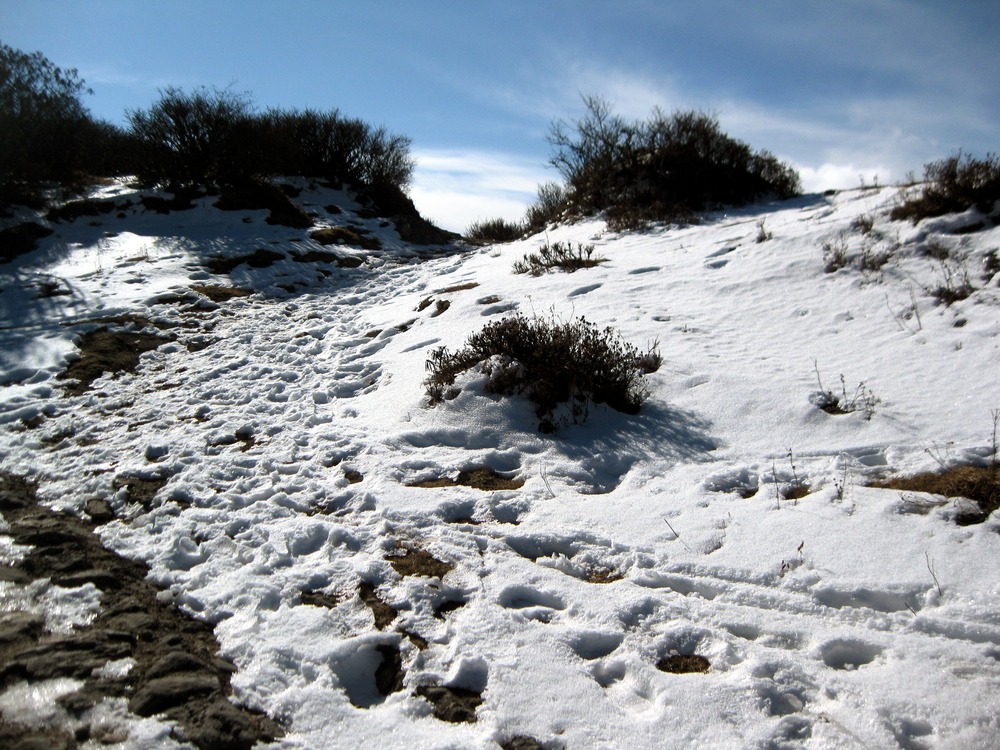
Snow covers large sections of the trail, and temperatures drop sharply. Views can be breathtaking on clear days, but weather can change fast.
Winter pros and cons:
Pros
-
Snow-covered landscapes
-
No crowds
-
Clear skies on good days
Cons
-
Night temperatures below -10°C
-
Risk of route closures due to heavy snowfall
-
Limited tea house availability
-
Requires proper winter gear
If you’re attempting Sandakphu in winter, I strongly believe a guided approach is practical, not promotional. Route decisions, weather judgment, and campsite safety matter more than independence here.
Month-by-Month Quick Guide
| Month | Verdict |
|---|---|
| Jan–Feb | Only for experienced winter trekkers |
| March | Excellent |
| April | Excellent |
| May | Very good |
| June–Aug | Avoid |
| September | Excellent |
| October | Best |
| November | Very good |
So, When Should You Go?
Here’s my honest recommendation:
-
For first-timers: April or October
-
For photographers: October or November
-
For solitude lovers: November or early March
-
For snow seekers: January (only with experience)
Timing Sandakphu right makes all the difference. When the weather aligns, the trek feels effortless, almost meditative. And when you don’t have to worry about logistics, permits, or constantly checking the sky, you can actually enjoy why you came—to walk beneath the tallest mountains on Earth.
Final Thought
Sandakphu isn’t about speed or conquest. It’s about choosing the right moment and letting the Himalayas show up in their best form. Pick your season wisely, walk at your own pace, and the trek gives back more than you expect.