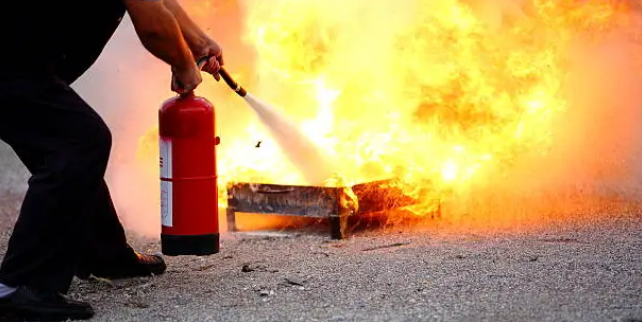
Fire safety is not just a legal requirement; it is a responsibility that can save lives, protect property, and ensure business continuity. Fires can happen anywhere: offices, factories, hospitals, malls, warehouses, and even residential buildings. This is why trained fire safety professionals are in high demand today. Choosing the right fireman safety course can open strong career opportunities while also helping organizations create safer workplaces.
This blog explains why fire safety training matters, what you learn in a professional course, career benefits, and how the right certification supports both personal growth and workplace protection.
Why Fire Safety Training Is More Important Than Ever
With rapid urbanization and industrial growth, fire risks have increased across sectors. Electrical faults, chemical handling, poor storage practices, and lack of emergency planning are common causes of fire accidents. Unfortunately, many workplaces are still unprepared to handle emergencies effectively.
A structured fire safety course helps individuals understand fire behavior, prevention techniques, and emergency response procedures. More importantly, it trains people to stay calm and act correctly during critical situations. This combination of knowledge and practical skills makes trained professionals extremely valuable.
What Is a Fireman Safety Course?
A fireman safety course is a professional training program designed to teach fire prevention, fire-fighting techniques, rescue operations, and emergency management. These courses are suitable for:
- Safety officers and supervisors
- Facility and maintenance managers
- Security personnel
- Industrial workers
- Freshers looking for a safety career
- Anyone responsible for workplace safety
The course usually includes both theoretical learning and hands-on practical training, ensuring real-world readiness.
Key Topics Covered in a Professional Fire Safety Course
A high-quality fire safety program focuses on practical, job-oriented knowledge. Most recognized courses cover the following areas:
Fire Science and Fire Behavior
Understanding how fires start, spread, and intensify is the foundation of fire safety. You learn about different classes of fire and how each should be handled.
Fire Prevention and Risk Assessment
This module teaches how to identify fire hazards, conduct safety inspections, and implement preventive measures in workplaces.
Fire-Fighting Equipment Handling
Trainees learn how to operate fire extinguishers, hose reels, hydrant systems, and other fire-fighting tools safely and effectively.
Emergency Response and Evacuation
This includes evacuation planning, crowd control, rescue techniques, and coordination with emergency services during fire incidents.
Industrial and Electrical Fire Safety
Special focus is given to fire risks in industrial environments, including electrical fires, chemical fires, and fuel-based hazards.
How a Fireman Safety Course Supports Career Growth
Fire safety is a specialized skill, and certified professionals often enjoy better career stability and growth. Here’s how the right training can help your career:
High Demand Across Industries
Manufacturing units, construction sites, IT parks, hospitals, airports, and malls all require trained fire safety personnel to meet safety regulations.
Better Job Roles and Salaries
Certified professionals can apply for roles such as Fire Safety Officer, Safety Supervisor, Fireman, EHS Executive, or Emergency Response Officer.
Long-Term Career Security
Safety roles are essential and cannot be easily automated. This makes fire safety a reliable long-term career option.
Opportunities in India and Abroad
Fire safety certifications are valued not only in India but also in the Middle East, Africa, and Southeast Asia, where safety compliance is strict.
Workplace Protection: Beyond Compliance
Organizations often view fire safety as a compliance requirement, but trained professionals know it is much more than that. A skilled fire safety officer helps in:
- Reducing accident-related losses
- Protecting employees and visitors
- Preventing business downtime
- Improving safety culture
- Ensuring faster emergency response
By investing in trained professionals, companies create safer and more resilient workplaces.
Choosing the Right Training Institute Matters
Not all courses offer the same level of quality. A good training provider focuses on practical exposure, industry-relevant curriculum, and experienced trainers.
For those looking for structured and reliable training, institutions offering certified fire safety programs with practical demonstrations are a strong choice. One such option is the Basic Fire Security and Safety program offered by RAXA Techno Security Solutions. You can explore the course details here.
This type of program is designed to build real-world skills that employers value, making learners job-ready from day one.
Who Should Enroll in a Fire Safety Course?
A fireman safety course is suitable for a wide range of learners, including:
- Freshers aiming for a safety-focused career
- Working professionals seeking skill upgrades
- Security staff and supervisors
- Industrial workers handling hazardous materials
- Facility managers responsible for building safety
No matter your background, fire safety training adds a valuable skill to your profile.
Skills You Gain That Employers Value
Beyond certification, fire safety training builds practical and personal skills such as:
- Quick decision-making under pressure
- Leadership during emergencies
- Risk awareness and prevention planning
- Team coordination and communication
- Discipline and responsibility
These skills are transferable and respected across industries.
Final Thoughts
Fire safety is about protecting lives, assets, and the future of organizations. With increasing safety regulations and awareness, trained professionals are becoming essential rather than optional. Enrolling in the right fireman safety course helps you build a meaningful career while contributing to safer workplaces and communities.
If you are serious about career growth and want to play a critical role in emergency preparedness, fire safety training is a smart and responsible choice. It offers purpose, stability, and long-term professional value—all while making a real difference when it matters most.
Read More: How Construction Safety Management Software Improves On-Site Safety