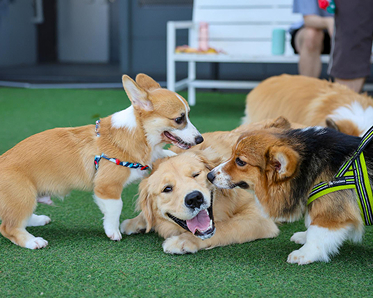
Caring for senior pets requires a special approach, especially when considering services like pet day care and pet grooming. As pets age, their physical abilities, health, and emotional needs change. Providing a supportive environment that caters to these changes is crucial to ensuring their happiness and well-being. Whether you are a pet owner or a professional in the pet care industry, understanding the best practices for senior pets can significantly improve their quality of life. This guide will explore the key aspects of senior pet care, focusing on daily routines, socialization, health monitoring, and tailored care options.
Understanding Senior Pets
A pet’s senior years are often the most delicate stage of their life. Aging affects animals differently depending on species, breed, and overall health. For example, small dog breeds may live longer than larger breeds, while cats often maintain agility well into their later years. However, all senior pets face common challenges, including decreased mobility, dental issues, slower metabolism, and a higher risk of chronic diseases.
Recognizing these changes is the first step in providing excellent care. Signs of aging in pets include reduced activity levels, stiffness in joints, changes in appetite, and altered behavior. Being aware of these signs allows pet owners and caretakers to adjust routines, provide appropriate nutrition, and schedule regular health checks.
Creating a Senior-Friendly Day Care Environment
Senior pets require an environment that caters to their unique needs. When choosing or running a pet day care for older animals, several key factors should be considered.
Comfortable Resting Areas
Older pets spend more time resting than younger animals. Providing comfortable beds with orthopedic support can reduce joint stress and improve sleep quality. Ensure the resting areas are quiet, away from high-traffic zones, and easily accessible to prevent unnecessary strain.
Safe Spaces for Mobility
Senior pets often struggle with mobility issues such as arthritis or muscle weakness. Ramps, non-slip flooring, and low-threshold entrances can prevent injuries and encourage safe movement. Avoiding stairs and providing clear pathways ensures pets can navigate the facility without difficulty.
Controlled Activity Levels
While exercise remains essential, senior pets cannot participate in the same high-energy activities as younger animals. Gentle walks, slow play sessions, and mental stimulation through puzzle toys are excellent alternatives. Tailoring activity to each pet’s capabilities prevents overexertion while keeping them engaged and happy.
Health Monitoring and Regular Check-Ups
Regular health monitoring is critical for senior pets. Daily observations, along with periodic veterinary visits, help detect issues before they become severe. Pet day care centers catering to older pets should implement health checks as part of their routine.
Monitoring Diet and Weight
Senior pets often require special diets to maintain optimal health. Monitoring food intake and ensuring balanced nutrition supports their energy levels and prevents obesity. Obesity in older pets can exacerbate joint problems and lead to other chronic conditions. Consulting a veterinarian about appropriate dietary adjustments is highly recommended.
Tracking Behavioral Changes
Behavioral changes can signal underlying health issues. Signs like excessive sleeping, reluctance to move, changes in appetite, or increased vocalization may indicate pain or illness. Staff at pet day care facilities should be trained to recognize these changes and communicate with pet owners promptly.
Preventive Health Measures
Vaccinations, dental care, and parasite prevention remain important for senior pets. Regular pet grooming sessions can also serve as an opportunity to check for lumps, skin changes, or signs of discomfort. Early detection through grooming not only maintains hygiene but also contributes to overall health.
The Role of Pet Grooming in Senior Care
Pet grooming is more than just a cosmetic routine; it is essential for maintaining the health and comfort of senior pets. Older animals may struggle with self-grooming due to mobility limitations or pain. Regular grooming helps prevent matting, skin infections, and other complications.
Gentle Grooming Techniques
Senior pets require gentle handling during grooming sessions. Using soft brushes, lukewarm water, and slow, careful movements reduces stress and prevents injury. Avoiding tight restraints or forceful handling ensures the pet remains comfortable throughout the process.
Nail Trimming and Paw Care
As pets age, nail care becomes increasingly important. Overgrown nails can cause discomfort and affect walking ability. Regular trimming and checking for cracked or injured paw pads prevent pain and promote mobility.
Ear and Dental Care
Cleaning ears and maintaining dental hygiene are crucial for senior pets. Ear infections and dental issues are common in older animals and can lead to severe health problems if untreated. Grooming sessions offer a perfect opportunity for caregivers to perform these preventive measures.
Socialization and Mental Stimulation
Social interaction is vital for a senior pet’s mental and emotional well-being. While older pets may not enjoy vigorous play, they still benefit from companionship and engagement.
Slow-Paced Socialization
Introducing senior pets to other animals should be done carefully and slowly. Controlled playtime with calm, well-behaved companions reduces stress and fosters positive social experiences. Small group activities or one-on-one interactions are often ideal.
Mental Enrichment
Cognitive decline can occur in senior pets, making mental stimulation crucial. Puzzle feeders, scent games, and gentle training exercises help keep their minds active. Engaging activities not only prevent boredom but also support cognitive health.
Comfort and Familiarity
Maintaining familiar routines and surroundings can reduce anxiety in senior pets. Consistency in feeding schedules, walking routes, and caregiver interactions creates a sense of security, which is especially important for pets with age-related cognitive decline.
Special Considerations for Different Types of Senior Pets
Each type of senior pet has unique needs that should be considered in a day care setting.
Dogs
Older dogs may face arthritis, vision loss, or hearing impairment. Providing supportive bedding, ramps, and low-impact exercise options ensures they remain comfortable. Tailoring play sessions to their energy levels prevents overexertion and promotes health.
Cats
Senior cats may experience kidney issues, dental problems, or decreased mobility. Quiet spaces, elevated resting areas, and easy access to litter boxes make a day care environment more senior-friendly. Gentle grooming is particularly important for cats, as they may struggle to maintain their coats.
Small Pets
Small animals like rabbits, guinea pigs, and hamsters also require special care as they age. Ensuring safe enclosures, proper diet, and gentle handling supports their well-being. Regular grooming helps maintain coat health and prevents skin infections.
Integrating Technology in Senior Pet Care
Modern technology can enhance the care provided to senior pets. Tools such as activity trackers, health monitoring apps, and automatic feeders can improve daily routines and overall care.
Activity Trackers
Activity trackers designed for pets allow caregivers to monitor movement levels, sleep patterns, and general activity. This data helps identify changes that may indicate health problems.
Health Monitoring Apps
Apps that track veterinary visits, medication schedules, and dietary needs ensure that senior pets receive consistent care. Caregivers can log observations from pet day care sessions, providing owners with valuable insights into their pet’s health.
Smart Feeding Systems
Automated feeders allow for precise portion control, which is especially important for senior pets with specific dietary needs. Controlled feeding schedules help maintain weight and prevent digestive issues.
Training and Staff Awareness
Staff training is critical when managing senior pets in any care facility. Understanding age-related conditions, appropriate handling techniques, and emergency procedures ensures the safety and comfort of all pets.
Specialized Training
Training staff on mobility assistance, administering medications, and recognizing behavioral signs of distress enhances the quality of care. Knowledgeable caregivers can make informed decisions and respond effectively to senior pet needs.
Empathy and Patience
Senior pets may require more time and gentle guidance during activities. Staff who exhibit patience and empathy contribute to a positive experience, reducing stress and promoting well-being.
Nutrition and Hydration Management
Proper nutrition and hydration are vital for senior pets. Age-related changes in metabolism, kidney function, and dental health require careful attention to diet.
Tailored Diets
High-quality, age-appropriate diets support energy levels and maintain muscle mass. Senior pets may need softer food due to dental issues or specialized formulations to manage chronic conditions.
Hydration
Older pets are more prone to dehydration, which can exacerbate health problems. Ensuring fresh water is available at all times and monitoring intake during pet day care sessions prevents complications.
Wrapping Up
Providing the best care for senior pets requires a holistic approach that considers physical, emotional, and cognitive needs. Incorporating gentle exercise, mental stimulation, proper nutrition, and preventive health measures ensures that older pets remain happy, healthy, and comfortable. Services like pet day care and pet grooming play a vital role in maintaining the quality of life for senior pets, offering structured routines, socialization opportunities, and professional health monitoring.
By implementing these best practices, pet owners and caregivers can create a supportive environment that honors the unique needs of aging pets. Senior pets deserve compassion, patience, and attentive care, and with the right approach, their golden years can be fulfilling, joyful, and stress-free. Whether at home or in a care facility, prioritizing comfort, safety, and engagement ensures that your senior pet enjoys every day to the fullest.