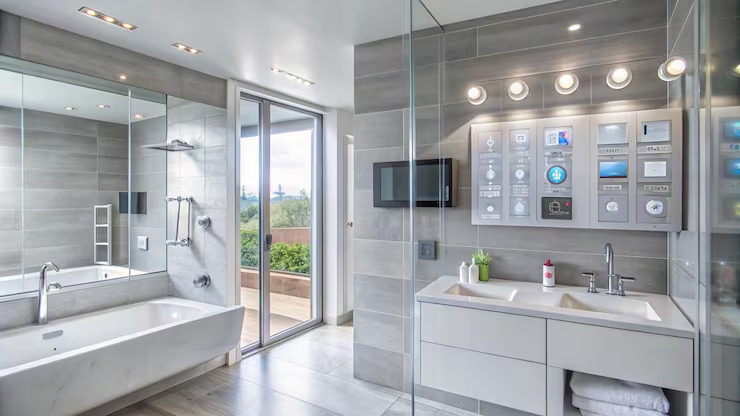
A bathroom remodel santa barbara project transforms one of your home’s most essential spaces, enhancing functionality, aesthetics, and overall property value. Santa Barbara’s Mediterranean climate and coastal aesthetic create unique opportunities for bathroom design, incorporating both practicality and visual appeal. This comprehensive guide explores design considerations, cost factors, timeline expectations, and contractor selection strategies for successful bathroom renovations.
Understanding Bathroom Remodeling Scope and Scale
Bathroom remodels range from cosmetic updates to complete gut renovations. Cosmetic updates—new fixtures, paint, lighting—typically cost $5,000-$15,000 while preserving existing layouts. Mid-range remodels ($15,000-$30,000) include new flooring, vanities, and possibly repositioned fixtures. Major remodels ($30,000-$75,000+) involve structural changes, expanded layouts, or luxury fixtures.
A bathroom remodel santa barbara scope depends on current condition, desired changes, and budget constraints. Understanding these categories helps establish realistic expectations.
Popular Design Trends for Santa Barbara Bathrooms
Contemporary coastal aesthetics blend Mediterranean influences with modern minimalism. Natural materials like travertine, limestone, and teak create warm, inviting atmospheres. Neutral color palettes—soft whites, warm grays, sandy tones—reflect Santa Barbara’s architectural heritage while providing timeless appeal.
Feature walls with decorative tile work, floating vanities, and frameless glass shower enclosures create sophisticated, spa-like environments. Sustainable materials and water-efficient fixtures align with coastal environmental consciousness.
Layout and Spatial Planning
Optimal bathroom layouts ensure functional work zones: toilet, sink, and shower/tub positioned for efficient movement. Single-wall layouts suit narrow spaces; three-wall designs maximize functionality in standard bathrooms; luxury designs incorporate separate vanities, walk-in showers, and freestanding tubs.
Traffic flow from entry through toilet, sink, and shower areas ensures comfortable movement without congestion. Professional designers optimize space utilization, maximizing perceived spaciousness even in modest square footage.
Fixture Selection and Quality Considerations
Choosing quality fixtures ensures durability and performance. Faucets, handles, and hardware should withstand daily use, resisting corrosion and water damage. Showerheads balance water conservation with satisfactory pressure. Toilets rated for water efficiency (1.28 gallons per flush) reduce utility costs.
Fixture finishes—chrome, brushed nickel, oil-rubbed bronze, matte black—influence aesthetic direction and long-term maintenance requirements.
Flooring Materials and Installation
Bathroom flooring must withstand moisture, humidity, and frequent cleaning. Ceramic tile offers durability, variety, and affordable options. Porcelain tile provides superior water resistance and longevity. Natural stone (marble, slate, granite) creates luxury aesthetics but requires regular sealing and maintenance.
Luxury vinyl plank (LVP) provides wood-look aesthetics with superior water resistance. Heated floor systems add comfort during cooler months. Proper underlayment and waterproofing prevent moisture damage to subfloors.
Shower and Tub Options
Walk-in showers with glass enclosures create spacious, modern aesthetics. Rainfall showerheads provide luxurious experience; body spray systems add spa-like features. Soaking tubs offer relaxation; compact designs maximize small bathrooms. Combination shower-tub units optimize space in modest bathrooms.
Materials like acrylic, fiberglass, and tile provide varying durability and aesthetic options.
Lighting Design and Ventilation
Layered lighting combining ambient, task, and accent lighting creates functional, aesthetically pleasing environments. Vanity lighting should minimize shadows, flattering for grooming tasks. Ceiling lights provide general illumination. Accent lighting highlights architectural features or creates spa-like ambiance.
Proper ventilation prevents mold and moisture damage. Exhaust fans rated for bathroom size (CFM ratings) ensure effective humidity removal. Humid conditions compromise tile, grout, and fixtures.
Storage and Organization Solutions
Adequate storage prevents cluttered countertops. Vanity cabinets, wall-mounted shelving, and recessed niches maximize vertical space. Medicine cabinets combine function with functionality. Drawer organizers, containers, and systematic arrangement maintain order.
Smart storage design enhances daily functionality while maintaining clean aesthetics.
Water-Efficient and Sustainable Features
Low-flow fixtures reduce water consumption 25-50% without sacrificing performance. Dual-flush toilets enable water savings for liquid waste. Sustainable materials like reclaimed tile, recycled glass, or low-VOC paints reduce environmental impact.
Daylight tunnels or windows provide natural illumination, reducing electrical consumption. Energy-efficient exhaust fans and LED lighting minimize utility costs.
Project Timeline and Construction Phases
Typical bathroom remodels require 4-8 weeks depending on scope and complexity. Initial phases involve demolition and structural work. Middle phases focus on plumbing, electrical, HVAC installation. Final phases include tile work, fixture installation, painting, and finishing. Unexpected issues—mold, structural problems, plumbing complications—may extend timelines.
Budget Planning and Cost Management
Establish realistic budgets allocating 20% contingency for unexpected issues. Prioritize spending on visible elements (tile, fixtures, vanity) versus mechanical components (plumbing, electrical). Compare quotes from multiple contractors. Value engineered selections balance quality with affordability.
Contractor Selection and Project Management
Select experienced contractors with bathroom remodeling expertise. Review portfolios showcasing Santa Barbara-specific designs. Verify licensing, insurance, and references. Establish clear communication protocols and timeline expectations.
Conclusion
Planning a bathroom remodel santa barbara requires balancing aesthetic preferences with functional requirements, budget constraints, and timeline expectations. Understanding design trends, material options, and contractor selection criteria ensures successful transformation. Quality bathroom remodels enhance daily living experiences while delivering impressive returns on investment.