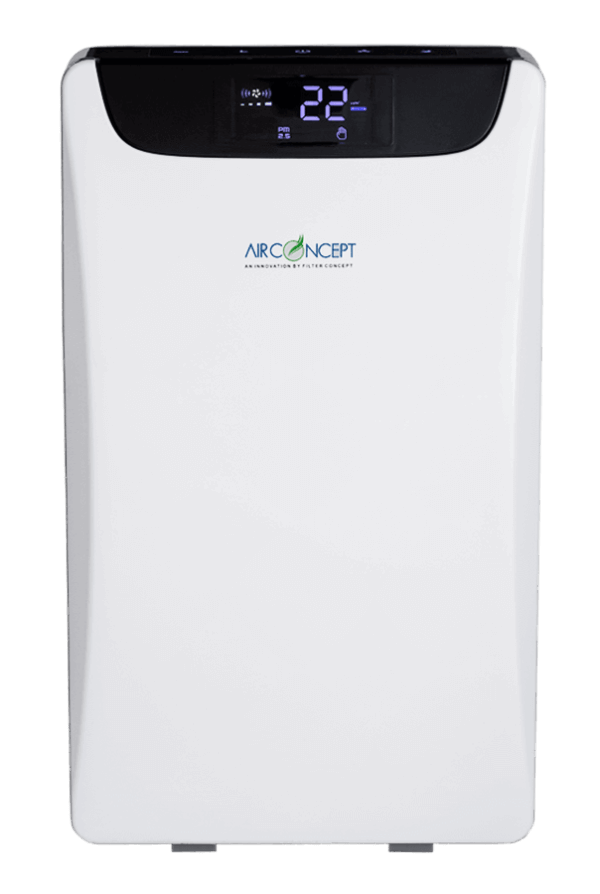
Air pollution has become a part of everyday life in many Indian cities. From traffic emissions and construction dust to crop residue burning and industrial smoke, the air we breathe often contains harmful pollutants that are invisible but dangerous. In this situation, an air purifier in India is no longer a luxury product; it is gradually becoming a household necessity for families that care about long-term health and comfort.
This article explains why air purifiers matter in India, how they work, what features to look for, and how to choose the right model for Indian homes and conditions.
Why Air Pollution Is a Serious Concern in India
India regularly records some of the highest Air Quality Index (AQI) levels in the world. Major cities like Delhi, Mumbai, Kolkata, Bengaluru, and Chennai experience pollution from multiple sources at the same time. Even smaller towns are now facing rising levels of particulate matter due to rapid urbanization.
The most harmful pollutants include PM2.5 and PM10 particles, which are small enough to enter the lungs and bloodstream. Long-term exposure can lead to breathing problems, allergies, asthma, heart disease, and reduced immunity. Children, elderly people, and individuals with respiratory conditions are especially vulnerable.
Because people spend a large portion of their day indoors—at home, in offices, or in schools—improving indoor air quality has become extremely important. This is where an air purifier plays a key role.
What Is an Air Purifier and How Does It Work?
An air purifier is a device designed to remove pollutants from indoor air. It works by pulling in air, passing it through a series of filters, and releasing cleaner air back into the room. Modern air purifiers are effective against dust, pollen, smoke, pet dander, bacteria, and fine particulate matter.
Most air purifiers suitable for Indian conditions use a combination of filters:
- Pre-filter: Captures large particles like dust and hair
- HEPA filter: Traps microscopic particles such as PM2.5
- Activated carbon filter: Absorbs odors, smoke, and harmful gases
Together, these filters help create a safer and healthier indoor environment.
Growing Demand for Air Purifier in India
The demand for air purifiers in India has increased sharply in recent years. Earlier, these devices were limited to hospitals and high-end offices. Today, they are commonly used in homes, schools, clinics, and even gyms.
Several factors are driving this growth:
- Increased awareness about air pollution and health
- Rising cases of allergies and respiratory illnesses
- Availability of air purifiers in different price ranges
- Improved technology and energy efficiency
As awareness spreads beyond metro cities, more Indian households are considering air purifiers as part of daily life.
Benefits of Using an Air Purifier at Home
Using an air purifier in India offers several practical benefits:
1. Better Respiratory Health
Cleaner air reduces irritation in the nose, throat, and lungs. This is especially helpful for people suffering from asthma, sinus issues, or frequent colds.
2. Reduced Allergies
Air purifiers remove pollen, dust mites, and pet dander, which are common allergy triggers inside homes.
3. Protection for Children and Elderly
Young children and senior citizens are more sensitive to air pollution. An air purifier helps create a safer indoor space for them.
4. Improved Sleep Quality
Breathing clean air at night can lead to deeper, more comfortable sleep, particularly in polluted urban areas.
5. Odor and Smoke Control
Activated carbon filters help remove cooking smells, tobacco smoke, and unpleasant odors from indoor spaces.
How to Choose the Right Air Purifier in India
Not every air purifier is suitable for Indian homes. Before buying, it is important to consider a few key factors.
Room Size
Air purifiers are designed for specific room sizes. Check the coverage area mentioned by the manufacturer and choose a model that matches your room dimensions.
Filter Quality
A true HEPA filter is essential for removing fine particles like PM2.5. For Indian pollution levels, a purifier with both HEPA and carbon filters is recommended.
CADR Rating
Clean Air Delivery Rate (CADR) indicates how quickly the purifier cleans the air. Higher CADR values are better for areas with severe pollution.
Noise Level
If you plan to use the purifier in a bedroom, choose a model with low noise levels, especially in sleep mode.
Maintenance and Filter Replacement
Check how often filters need replacement and whether replacements are easily available in India. Affordable maintenance is important for long-term use.
Power Consumption
Energy-efficient air purifiers help reduce electricity costs, especially if the device runs for long hours.
Air Purifier for Indian Homes vs Offices
The needs of a home air purifier are different from those of an office or commercial space. Homes usually require quiet operation and moderate coverage, while offices may need higher capacity and continuous performance.
For homes, compact models with smart features such as air quality indicators and auto mode work well. Offices benefit from larger units with higher CADR and durable filters that can handle continuous use.
Common Myths About Air Purifier in India
Myth 1: Air Purifiers Work Only in Winter
Pollution exists throughout the year due to dust, vehicle emissions, and indoor pollutants. Air purifiers are useful in all seasons.
Myth 2: Opening Windows Makes Air Purifiers Useless
While outdoor air can bring in pollutants, air purifiers continuously clean indoor air and still provide benefits even with limited ventilation.
Myth 3: One Air Purifier Is Enough for the Entire House
Air purifiers work best in enclosed spaces. It is better to use separate units for different rooms if needed.
Long-Term Value of Investing in an Air Purifier
An air purifier is an investment in health rather than just a household appliance. Over time, improved air quality can reduce medical expenses related to allergies, respiratory problems, and pollution-related illnesses.
For families living in high-pollution areas, the cost of an air purifier is small compared to the long-term health benefits it provides.
Conclusion
With rising pollution levels across cities and towns, choosing the right air purifier in India has become an important decision for healthier living. Clean indoor air supports better breathing, improved sleep, and overall well-being for the entire family.
By understanding how air purifiers work and selecting a model suited to Indian conditions, households can take a meaningful step toward protecting themselves from the harmful effects of air pollution. Clean air may not always be available outside, but with the right air purifier, it can be created inside your home.