As businesses continue to move online, customer expectations are rising rapidly. People now expect instant responses, personalized support, and seamless communication across platforms. Traditional customer support systems often struggle to meet these demands due to limited availability, high costs, and repetitive workloads.
This is where AI-powered chatbots are making a major impact. By combining artificial intelligence with conversational technology, chatbots help businesses communicate with customers faster, smarter, and more efficiently.
This article explains what AI-powered chatbots are, how they work, their uses, benefits, real-world examples, challenges, and future potential, following a simple and easy-to-understand structure.
What Are AI-Powered Chatbots?
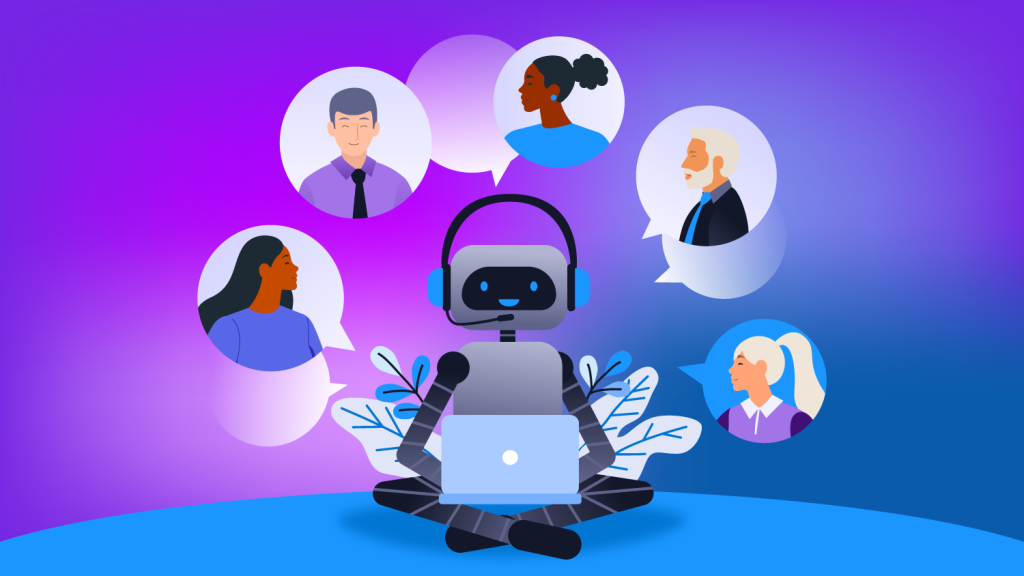
AI-powered chatbots are software programs designed to communicate with users using natural language. Unlike traditional rule-based bots, these chatbots can understand user intent, context, and language patterns using artificial intelligence.
They rely on technologies such as:
- Natural Language Processing (NLP)
- Machine Learning (ML)
- Conversational AI
AI chatbots are commonly used on websites, mobile apps, messaging platforms, and voice assistants to provide customer support, answer questions, and automate interactions.
How AI-Powered Chatbots Work
AI-powered chatbots function through a combination of intelligent systems that allow them to understand and respond accurately.
The basic working process includes:
- User Input – The user types or speaks a query.
- Language Understanding – NLP analyzes the message to understand intent and meaning.
- Data Processing – The chatbot matches the intent with stored knowledge or connected systems.
- Response Generation – The chatbot delivers a relevant and contextual response.
- Learning & Improvement – Machine learning helps the chatbot improve over time based on interactions.
This process allows chatbots to deliver fast, accurate, and human-like conversations.
Common Uses of AI-Powered Chatbots
AI chatbots are used across multiple industries to simplify communication and automate tasks.
Customer Support
Chatbots handle FAQs, order tracking, account issues, and service requests without human involvement.
Sales and Lead Generation
They engage visitors, qualify leads, recommend products, and guide users through purchase journeys.
E-commerce Assistance
Chatbots help customers find products, check availability, apply discounts, and track deliveries.
Banking and Finance
Banks use chatbots for balance inquiries, transaction history, card support, and financial guidance.
Healthcare
Chatbots assist with appointment scheduling, symptom checks, and patient queries.
Real-World Examples of AI Chatbots
Many global brands successfully use AI-powered chatbots:
- Amazon uses chatbots for order tracking and customer queries.
- Sephora provides beauty advice and product recommendations through chatbots.
- HDFC Bank uses AI assistants to help customers with banking services.
- Uber uses chatbots for ride updates and support queries.
These examples show how chatbots enhance efficiency while improving customer experience.
Benefits of AI-Powered Chatbots
AI chatbots offer several advantages for businesses and customers alike.
Faster Response Time
AI-powered chatbots respond to customer queries instantly, eliminating long wait times. This quick interaction improves customer satisfaction and keeps users engaged with the brand.
24/7 Availability
Chatbots provide continuous support without breaks, weekends, or holidays. This ensures customers receive assistance anytime, regardless of time zones or business hours.
Cost Savings
By automating repetitive customer queries, chatbots reduce the need for large support teams. This helps businesses lower operational costs while maintaining service quality.
Personalized Experience
AI chatbot development uses customer data and interaction history to deliver tailored responses. This personalization makes conversations more relevant and improves customer loyalty.
Scalability
Chatbots can handle thousands of conversations simultaneously without slowing down. This makes them ideal for managing high traffic during peak times or business growth.
Challenges of AI-Powered Chatbots
Despite their benefits, AI chatbots also have limitations.
- Difficulty handling complex or emotional queries
- Dependence on quality training data
- Integration challenges with legacy systems
- User frustration when bots fail to understand intent
Proper design, testing, and human escalation options help overcome these challenges.
The Future of AI-Powered Chatbots
The future of AI chatbots looks promising as technology continues to evolve.
Upcoming trends include:
- Emotion-aware chatbots
- Voice-based conversational AI automation
- Deeper personalization
- Proactive customer support
- Seamless human and AI collaboration
As AI improves, chatbots will become more intelligent, intuitive, and human-like.
Conclusion
AI-powered chatbots are transforming the way businesses interact with customers. By offering instant responses, personalized interactions, and continuous availability, they improve customer satisfaction while reducing operational costs.
For businesses looking to scale support, enhance engagement, and stay competitive in a digital-first world, AI-powered chatbots provide a practical and future-ready solution.
FAQs
What is an AI-powered chatbot?
An AI-powered chatbot is a software application that uses artificial intelligence technologies such as natural language processing and machine learning to communicate with users in a human-like way. It can understand queries, respond intelligently, and improve over time.
How are AI chatbots different from rule-based chatbots?
Rule-based chatbots follow predefined scripts and can only respond to specific commands. AI-powered chatbots, on the other hand, understand user intent, context, and language patterns, allowing them to handle more complex and natural conversations.
Can AI-powered chatbots replace human customer support agents?
AI chatbots do not replace human agents but support them. They handle repetitive and simple queries, allowing human agents to focus on complex, sensitive, or high-value customer interactions.
Are AI-powered chatbots available 24/7?
Yes, AI-powered chatbots operate continuously without breaks. They provide round-the-clock customer support, making them ideal for businesses serving customers across different time zones.