AI personalization in learning experiences has become an important response to a long standing problem in education. Learners do not absorb information the same way, move at the same pace, or struggle with the same concepts. Yet many learning systems still rely on fixed lesson plans, uniform assessments, and rigid timelines. This gap often leads to frustration for learners and limited insight for educators.
Personalized learning supported by artificial intelligence focuses on adapting education to individual needs without removing structure or accountability. When applied thoughtfully, it helps learners progress with confidence while giving educators better tools to guide outcomes. This article explains how personalization works, why it matters, and how it can be used responsibly to improve real learning results.
Understanding AI Personalization in Education
What AI Personalization Really Means
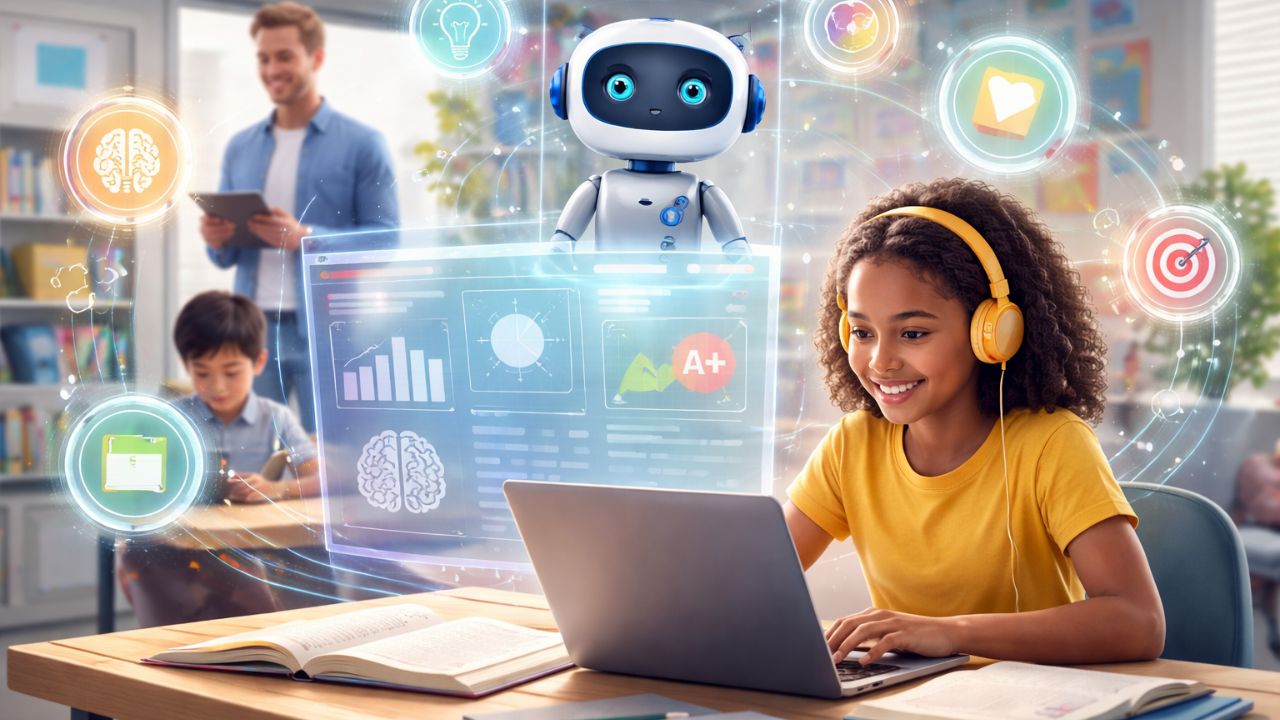
Personalization in education is not about replacing teachers or automating learning entirely. It refers to using intelligent systems that adjust content, pacing, and feedback based on how a learner performs over time. These systems observe patterns rather than make assumptions. The goal is to support learning decisions, not control them.
Unlike basic online courses that follow a fixed sequence, personalized platforms respond to how learners interact with material. If a learner struggles with a topic, the system can revisit foundational concepts. If progress is strong, it can introduce more advanced material without unnecessary repetition.
How AI Analyzes Learner Behavior
AI based learning systems evaluate learning behavior through practical indicators such as accuracy, completion time, engagement levels, and consistency. These insights help determine what content should appear next and how it should be delivered.
This process does not rely on invasive data collection. Responsible platforms focus on learning activity rather than personal details. When implemented correctly, personalization remains transparent and learner focused, supporting improvement without compromising trust.
How AI Personalization Improves Learning Outcomes
Personalized Learning Paths
One of the most direct benefits of personalization is the ability to create learning paths that match individual readiness. Learners no longer need to follow a pace designed for an average user.
Personalized paths allow learners to:
- Spend more time on challenging topics
- Skip content they have already mastered
- Build confidence through steady progress
This approach reduces burnout and keeps learners engaged for longer periods.
Adaptive Content Delivery
Content delivery becomes more effective when format and difficulty adapt to learner preferences. Some learners respond better to visual explanations, while others prefer text or interactive exercises.
Adaptive delivery adjusts:
- Content complexity
- Presentation format
- Practice frequency
By aligning instruction with learner needs, comprehension improves without increasing study time.
Real Time Feedback and Assessment
Traditional assessments often arrive too late to be useful. Personalized systems provide feedback while learning is still happening. This helps learners correct mistakes early and understand concepts before moving forward.
Real time feedback also benefits educators by highlighting patterns across learners. Instead of guessing where issues exist, they can focus attention where it is most needed.
Benefits for Different Types of Learners
Students and Independent Learners
For students, personalization reduces pressure caused by constant comparison. Progress becomes personal rather than competitive. Learners gain a clearer understanding of their strengths and areas for improvement, which increases motivation and accountability.
Educators and Tutors
Educators benefit from reduced administrative tasks and clearer insight into learner performance. Instead of manually tracking progress, they receive actionable data that supports instructional decisions. This allows more time for mentoring, feedback, and meaningful interaction.
Institutions and Training Providers
Institutions gain scalable personalization without significantly increasing costs. Better learner engagement leads to improved retention, stronger outcomes, and clearer reporting. These improvements support both academic and operational goals.
Role of AI Personalization in Modern Tutoring Platforms
Why Tutoring Needs Personalization More Than Ever
Tutoring has shifted beyond fixed schedules and standardized lesson plans. Learners now expect flexibility, relevance, and measurable progress. Generic tutoring often fails to address individual gaps, especially in online environments.
Personalization allows tutoring to adapt continuously, making sessions more focused and productive.
How AI Powered Tutoring Software Supports This Shift
Modern tutoring platforms increasingly rely on AI personalization in learning experiences to support adaptive instruction. Features such as diagnostic assessments, progress tracking, and dynamic lesson recommendations help tutors focus on guidance rather than repetition.
Solutions like AI Powered Tutoring Software offered by Nyusoft align well with these needs. By supporting personalized lesson flows, automated insights, and scalable tutoring models, such platforms help educators deliver consistent value while maintaining a human centered approach.
Ethical Use of Data and Building Trust
Data Privacy and Transparency
Personalization only works when learners trust the system. Responsible platforms clearly explain what data is collected and why. Learning data should be used solely to improve outcomes, not for unrelated purposes.
Clear consent, limited retention, and strong security practices are essential for maintaining credibility.
Avoiding Bias in AI Driven Learning
Bias can appear if systems rely on incomplete or skewed data. Continuous monitoring and human oversight help ensure that recommendations remain fair and accurate. Personalization should support opportunity, not reinforce limitations.
Practical Examples of AI Personalization in Action
Personalized learning is already improving outcomes across many contexts:
- Exam preparation platforms that adjust focus areas based on performance
- Skill based training that adapts difficulty as competence grows
- Remedial programs that provide support without labeling learners
These applications demonstrate how personalization can meet learners where they are while encouraging progress.
Common Challenges and How They Are Being Solved
Despite its benefits, personalization faces challenges. Over automation can reduce meaningful interaction if not balanced properly. Some educators worry about losing control, while institutions may struggle with integration.
These challenges are being addressed through:
- Hybrid models that combine AI insights with human instruction
- Transparent system design that supports educator decision making
- Gradual implementation aligned with existing workflows
When used as a support system rather than a replacement, personalization enhances learning without disruption.
Read Also: How Can We Prepare Students for the Future of Work and Technology
How AI Personalization Supports Long Term Learning Growth
Beyond Grades and Certifications
Effective learning extends beyond short term results. Personalized systems help learners develop habits such as self reflection, persistence, and goal setting. These skills support long term growth across academic and professional settings.
Preparing Learners for Real World Skills
By adapting to changing needs, personalization helps learners build problem solving abilities and confidence. Learning becomes an ongoing process rather than a one time achievement.
A Smarter Way to Personalize Learning
Organizations looking to deliver adaptive, learner centered education can benefit from platforms built with personalization at their core. Nyusoft provides solutions designed to support scalable tutoring and individualized learning journeys without compromising quality or trust.
Conclusion: The Future of Learning Is Personal, Not Generic
AI personalization in learning experiences is not a trend. It is a practical response to how people actually learn. When applied responsibly, it supports learners, empowers educators, and strengthens institutions. The future of education depends on systems that respect individual differences while maintaining high standards. Personalization makes that balance possible.
By focusing on clarity, ethics, and learner needs, personalized learning can deliver lasting value without losing the human element that education depends on.