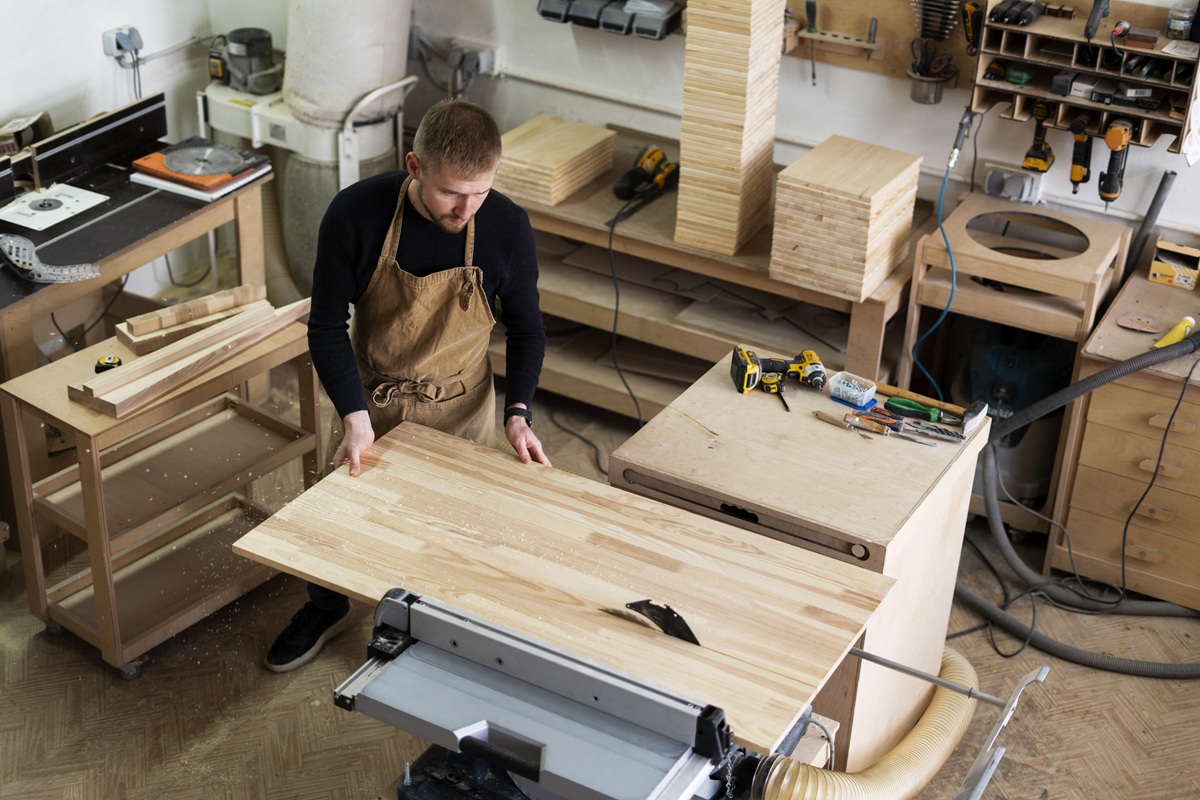
In today’s competitive manufacturing and woodworking environment, efficiency and accuracy are essential. From small custom workshops to large industrial facilities, the quality of output depends heavily on the equipment being used. This is where Woodworking Machines play a critical role. Designed to deliver precision, speed, and consistency, modern Woodworking Machines have transformed how wood products are designed, produced, and finished.
As demand for high-quality furniture, cabinetry, and interior solutions continues to rise, businesses increasingly rely on advanced Woodworking Machines to meet tight deadlines and maintain superior craftsmanship. This article explores how modern Woodworking Machines enhance precision and productivity, the types available, and why they are essential for professional woodworking operations.
What Are Woodworking Machines?
Woodworking Machines are specialised tools and equipment used to cut, shape, drill, sand, and finish wood and engineered wood products. Unlike manual tools, these machines automate processes, reduce labour effort, and deliver consistent results across large production volumes.
Industrial Woodworking Machines are engineered to handle demanding workloads while maintaining tight tolerances. They are widely used in furniture manufacturing, cabinetry, joinery, shopfitting, and construction-related industries. With technological advancements, Woodworking Machines now integrate automation, digital controls, and safety features that significantly improve operational efficiency.
Why Woodworking Machines Are Essential for Modern Workshops
Precision and productivity are key drivers of profitability. Advanced Woodworking Machines enable workshops to produce high-quality components faster and with minimal material waste.
Key benefits of using professional Woodworking Machines include:
- Accurate and repeatable results
- Faster production cycles
- Reduced material wastage
- Improved operator safety
- Lower long-term labour costs
By replacing manual processes, Woodworking Machines ensure uniformity across products, which is critical for large-scale manufacturing and commercial projects.
Types of Advanced Woodworking Machines
There are many types of Woodworking Machines, each designed for specific applications within the production process.
Panel Saws
Panel saws are essential Woodworking Machines used to cut large sheets of plywood, MDF, and laminates into precise sizes. They are widely used in cabinetmaking and furniture production.
CNC Routers
CNC routers are computer-controlled Woodworking Machines that allow for complex cutting, shaping, and engraving. These machines deliver exceptional accuracy and repeatability, making them ideal for customised and high-volume work.
Edgebander Machines
Edgebanders are Woodworking Machines designed to apply edge banding to panels, creating clean and professional finishes. They improve durability and aesthetics in cabinetry and furniture manufacturing.
Thicknessers and Planers
These Woodworking Machines ensure uniform thickness and smooth surfaces, preparing timber for further processing or assembly.
Drilling and Boring Machines
Used for precise hole placement, these Woodworking Machines are essential for joinery, hardware installation, and modular furniture production.
How Woodworking Machines Improve Precision
Precision is one of the biggest advantages of modern Woodworking Machines. Advanced systems use calibrated guides, digital measuring tools, and computer controls to ensure accuracy in every operation.
CNC-based Woodworking Machines eliminate human error by following programmed instructions. This results in perfectly aligned cuts, consistent dimensions, and repeatable results across multiple production runs. High precision reduces rework and ensures components fit seamlessly during assembly.
Productivity Benefits of Woodworking Machines
Efficiency is critical in meeting production targets and reducing costs. Woodworking Machines significantly increase output by automating repetitive tasks and minimising setup time.
With advanced Woodworking Machines, operators can process materials faster while maintaining consistent quality. Automated feeding systems, programmable controls, and integrated workflows allow workshops to complete projects in less time compared to manual methods.
Higher productivity also means businesses can take on larger projects, meet tighter deadlines, and scale operations without sacrificing quality.
Safety Advantages of Modern Woodworking Machines
Workplace safety is a major concern in woodworking environments. Modern Woodworking Machines are designed with operator safety in mind.
Safety features commonly found in advanced Woodworking Machines include:
- Emergency stop systems
- Blade guards and sensors
- Dust extraction integration
- Reduced manual material handling
By minimising direct contact with cutting tools, Woodworking Machines significantly lower the risk of workplace injuries while maintaining efficient operations.
Choosing the Right Woodworking Machines for Your Business
Selecting the right Woodworking Machines depends on several factors, including production volume, available space, and project requirements.
When choosing Woodworking Machines, consider:
- Type of materials used
- Level of automation required
- Floor space and layout
- Budget and long-term ROI
Small workshops may benefit from semi-automated Woodworking Machines, while large manufacturers often require fully automated CNC systems for maximum efficiency.
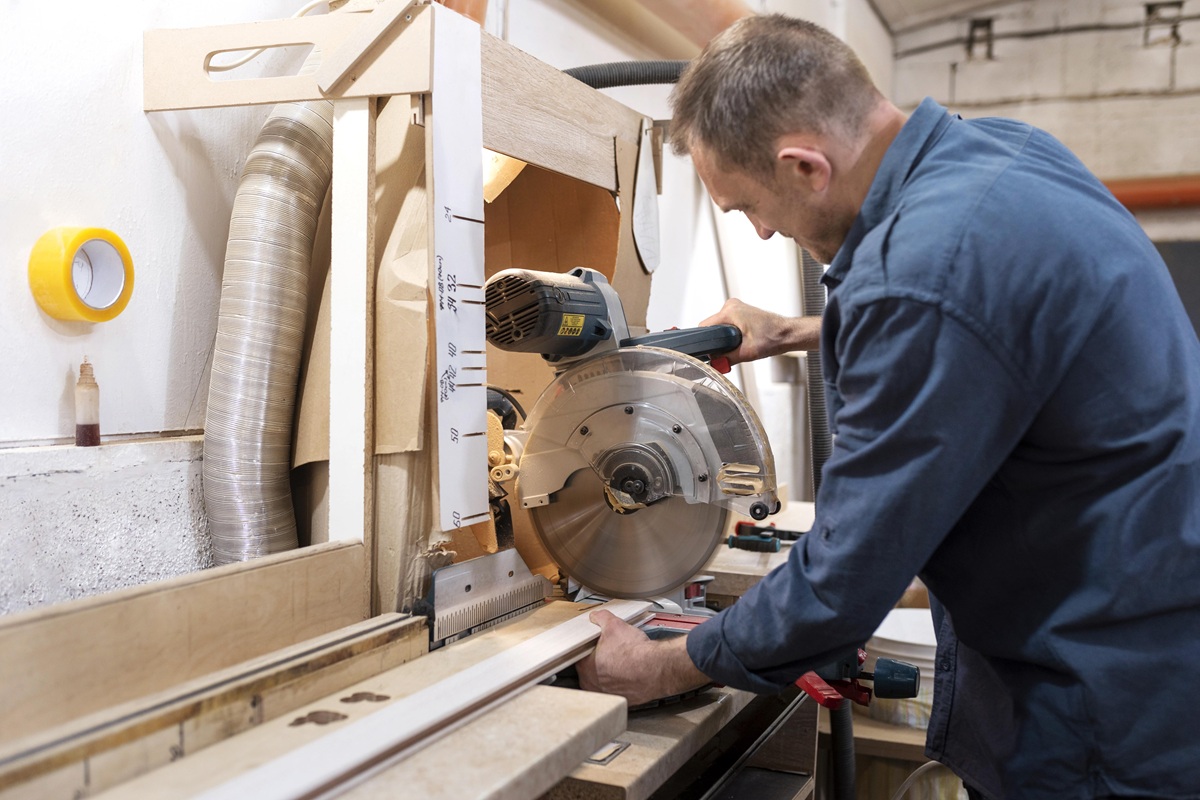
Maintenance and Longevity of Woodworking Machines
Regular maintenance is essential to keep Woodworking Machines operating at peak performance. Proper care extends machine lifespan and ensures consistent output quality.
Routine maintenance includes:
- Blade and tool inspection
- Calibration checks
- Lubrication of moving parts
- Cleaning and dust removal
Well-maintained Woodworking Machines reduce downtime, prevent costly repairs, and protect production schedules.
Return on Investment with Woodworking Machines
Although advanced Woodworking Machines require initial investment, the long-term benefits far outweigh the costs. Increased productivity, reduced waste, and improved product quality contribute to faster returns.
Businesses using professional Woodworking Machines often experience lower labour costs, fewer errors, and higher customer satisfaction. Over time, these advantages translate into increased profitability and competitive advantage.
The Future of Woodworking Machines
The woodworking industry continues to evolve, and Woodworking Machines are becoming smarter and more efficient. Emerging technologies include AI-driven optimisation, real-time monitoring, and fully integrated production lines.
As automation advances, Woodworking Machines will play an even greater role in improving sustainability, efficiency, and precision across the industry.
Conclusion: Powering Precision and Productivity with Woodworking Machines
Advanced Woodworking Machines are the backbone of modern woodworking operations. They deliver the precision, speed, and consistency required to compete in today’s demanding market.
By investing in the right Woodworking Machines, businesses can enhance productivity, improve safety, and produce high-quality results with confidence. Whether for furniture manufacturing, cabinetry, or commercial fit-outs, Woodworking Machines provide the foundation for long-term success and growth.