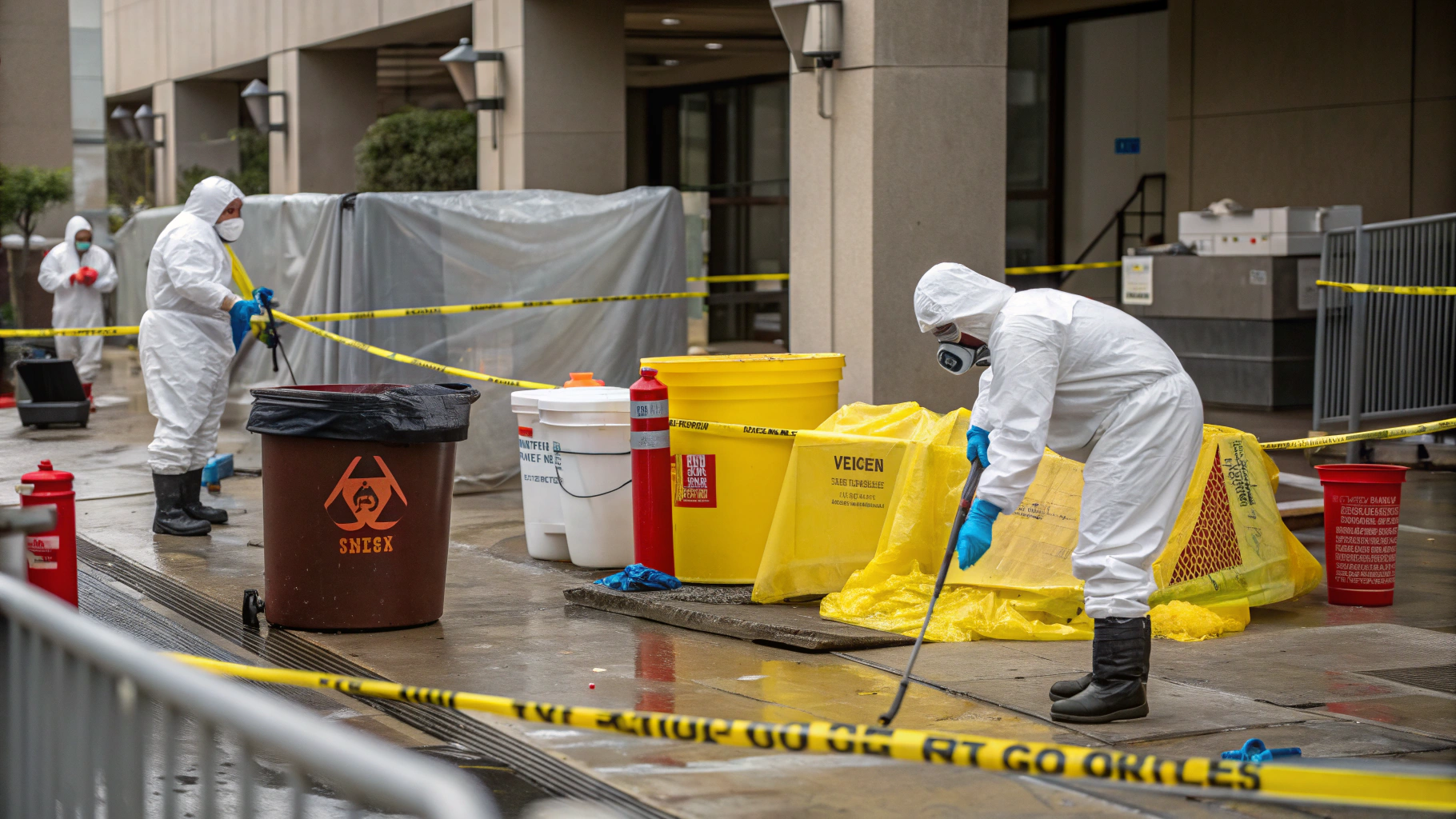
Biohazard cleanup is a specialized service required after traumatic or hazardous events and involves strict safety, health, and legal standards. The overall biohazard cleanup cost depends on several factors, including the type of biohazard involved, the size and severity of the affected area, and the level of contamination. Additional cost influences include technician training and certification, use of specialized equipment, proper hazardous waste disposal, accessibility of the site, and the need for emergency or after-hours service. Insurance coordination and potential restoration or structural repairs may also affect pricing. Understanding these factors helps property owners make informed decisions when selecting a certified cleanup provider, ensuring safe, compliant, and thorough remediation while balancing quality and budget considerations.
–
Introduction
Biohazard cleanup is an essential service needed after incidents like crime scenes, unattended deaths, workplace accidents, or exposure to infectious materials. These environments can present significant health risks and require specialized handling by trained professionals who adhere to strict safety protocols and regulations. Working with certified specialists helps ensure thorough decontamination, regulatory compliance, and reassurance during difficult situations.
When property owners begin researching professional services, one of the most common questions they ask is about biohazard cleanup cost, especially since pricing can vary significantly from one situation to another. Understanding what factors influence the total cost helps clients make informed decisions while ensuring they receive safe, high-quality remediation services.
Key Factors That Influence Biohazard Cleanup Cost
- Type of Biohazard Involved
The nature of the biohazard is one of the biggest pricing factors. Cleanup involving bloodborne pathogens, bodily fluids, chemical spills, hoarding waste, or infectious diseases requires different protocols, equipment, and disposal methods. More hazardous materials demand higher levels of personal protective equipment (PPE) and advanced cleaning agents, increasing overall costs.
- Size and Severity of the Affected Area
Cleanup costs increase with the size of the contaminated area. A small, localized spill in a bathroom will cost far less than widespread contamination throughout a home or commercial property. The severity also matters deep saturation into flooring, walls, or HVAC systems requires removal and replacement, not just surface cleaning.
- Required Safety Equipment and Specialized Tools
Certified professionals use industrial-grade tools such as ozone machines, HEPA air scrubbers, ATP testing devices, and chemical disinfectants approved for biohazard remediation. These tools ensure thorough decontamination but add to operational expenses, which are reflected in pricing.
Labor, Training, and Certification Costs
Level of Technician Training and Certification
Highly trained technicians are essential for safe biohazard remediation. Certified teams undergo extensive training in OSHA standards, bloodborne pathogen handling, and hazardous material disposal. A reputable biohazard cleanup company invests heavily in ongoing education and compliance, which directly impacts service pricing.
Number of Technicians Required
Some scenes require multiple technicians working simultaneously to meet safety and time requirements. For example, large trauma scenes or industrial accidents often require coordinated teams, increasing labor costs but ensuring efficient and compliant cleanup.
Regulatory Compliance and Disposal Fees
Proper Biohazard Waste Disposal
Biohazardous waste must be transported and disposed of according to federal, state, and local regulations. Disposal fees vary by region and waste type. Licensed medical waste facilities charge based on volume and hazard classification, making this a significant cost factor.
For authoritative guidance on biohazard safety and disposal standards, resources such as the Centers for Disease Control and Prevention (CDC) provide detailed information on infection control and hazardous waste handling.
Accessibility, Timing, and Emergency Response
Accessibility of the Cleanup Area
Hard-to-reach areas such as crawl spaces, attics, or confined commercial spaces require additional time, safety precautions, and specialized tools. Limited access increases labor intensity, affecting overall pricing.
Emergency or After-Hours Services
Biohazard situations often require immediate response. Emergency calls, nighttime service, weekends, or holidays usually come with premium rates due to staffing and urgency requirements.
Insurance Coverage and Documentation
Insurance Coordination and Claims Support
Many biohazard cleanup providers support clients through the insurance process by supplying detailed records, photos, and clear cost breakdowns. Although insurance may pay for part or all of the service, the additional administrative work involved can affect overall pricing.
Restoration and Structural Repairs
Cleanup and restoration are not always the same. If drywall, flooring, or structural components must be removed due to contamination, restoration costs may be billed separately or bundled into the cleanup package, depending on the provider.
Conclusion
Biohazard cleanup is a highly specialized service that prioritizes health, safety, and legal compliance. Pricing is influenced by multiple factors, including hazard type, scene size, technician expertise, equipment, disposal requirements, and emergency response needs. While costs may vary, choosing a certified and experienced provider ensures the job is done safely and correctly the first time. Understanding these factors empowers property owners to select the right biohazard cleanup company while balancing safety, quality, and budget considerations.