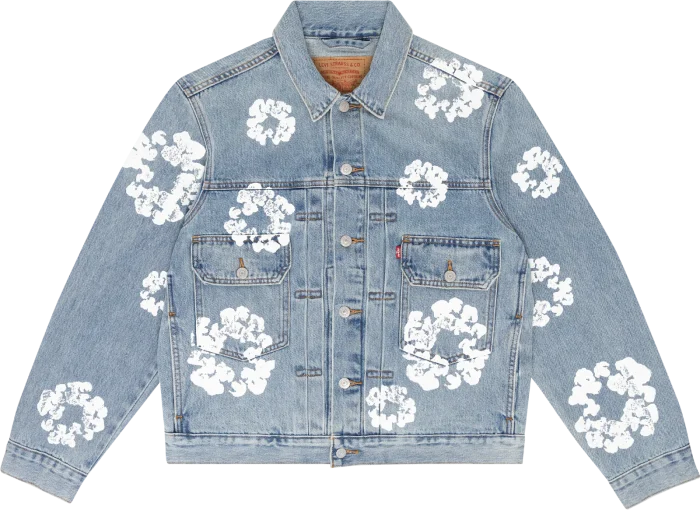
Denim Tears USA stands as a compelling example of how fashion transcends mere clothing to become a powerful cultural and social commentary. Founded by artist and designer Tremaine Emory, Denim Tears explores themes rooted in African American history, identity, and social justice, transforming everyday denim into a canvas for storytelling and activism. This brand exemplifies how a simple fabric—denim—can evolve into a symbol of resistance, heritage, and cultural expression.
The Origins and Philosophy of Denim Tears USA
Denim Tears was launched in 2015, emerging from Emory’s desire to challenge traditional notions of fashion and to highlight important social issues through clothing. The brand’s philosophy centers on the idea that fashion is inherently political, and that garments can serve as mediums for cultural dialogue. Emory’s background as an artist influences the brand’s aesthetic, emphasizing bold graphics, meaningful symbolism, and references to African American history and culture.
The name “Denim Tears” itself signifies a fusion of two powerful symbols. Denim, a durable fabric associated with workwear, rebellion, and American culture, is contrasted with tears, which symbolize pain, struggle, and resilience. This juxtaposition encapsulates the brand’s core message: acknowledging pain and hardship while celebrating strength and resilience within marginalized communities.
Cultural and Historical Influences
At the heart of Denim Tears’ identity is its deep engagement with African American history. Emory draws inspiration from historical events, figures, and cultural motifs, integrating these elements into his designs. The brand’s collaborations and collections often reference the legacy of slavery, the Civil Rights Movement, and ongoing struggles for racial justice.
One notable example is the use of patterns inspired by the broken chain motif, symbolizing liberation and emancipation. The incorporation of African textile patterns and symbolism further underscores a connection to African heritage. By doing so, Denim Tears not only pays homage to cultural roots but also challenges the consumer to think critically about history and identity.
Fashion as a Form of Activism
Denim Tears exemplifies how fashion can serve as a platform for activism. Emory’s designs often include provocative messages and imagery that provoke reflection and conversation. For instance, some pieces feature references to police brutality, systemic racism, and social inequality, making political statements through wearable art.
Through limited-edition collections and collaborations with other brands and artists, Denim Tears amplifies its message. These collaborations often bring attention to social justice issues, encouraging consumers to see their clothing as a form of advocacy. The brand’s influence extends beyond aesthetics; it invites a dialogue about societal change and responsibility.
The Role of Denim as a Cultural Symbol
Denim has long been associated with American identity, freedom, and rebellion. Its versatility and ubiquity have allowed it to become a universal fabric, worn by people across different backgrounds and social classes. Denim Tears leverages this cultural significance, transforming a common garment into a statement piece loaded with meaning.
In many ways, denim’s durability mirrors resilience in marginalized communities. The tears and distress marks on denim garments can symbolize both hardship and strength. Denim Tears’ designs often incorporate distressed finishes, patches, and embellishments that reflect the tumult and perseverance of cultural histories.
This recontextualization elevates denim from just functional clothing to a potent symbol of cultural pride and resistance. It underscores the idea that what we wear can be a reflection of who we are and what we stand for.
Impact on Fashion and Culture
Since its inception, Denim Tears has garnered attention from the fashion industry, celebrities, and cultural critics alike. Its innovative approach to storytelling through clothing has influenced a new wave of fashion brands that prioritize activism and cultural relevance. The brand’s collaborations with high-profile entities like Nike, Converse, and skatewear labels have helped bring its message to a broader audience.
Beyond commercial success, Denim Tears has played a crucial role in shaping conversations around cultural representation in fashion. It challenges the industry to move beyond superficial trends and to engage with deeper social issues. By doing so, it has inspired other designers and brands to incorporate activism into their creative processes.
The influence of Denim Tears extends into streetwear, high fashion, and art scenes. Its distinctive aesthetic—combining bold graphics, historical references, and provocative messaging—has made it a recognizable and influential voice in contemporary culture.
The Future of Denim Tears USA
Looking ahead, Denim Tears Hoodie is poised to continue its mission of blending fashion with activism. As social and political issues evolve, the brand’s role as a cultural commentator is likely to become even more significant. Emory’s commitment to highlighting stories of resilience and resistance ensures that Denim Tears will remain relevant in discussions about race, identity, and social justice.
The brand’s expansion into various product categories, from apparel to accessories, signals its intention to reach diverse audiences and foster a broader understanding of its message. Additionally, ongoing collaborations and projects rooted in cultural storytelling promise to keep Denim Tears at the forefront of both fashion innovation and social activism.
Conclusion
Denim Tears USA exemplifies how a simple fabric like denim can transcend its traditional role to become a profound cultural statement. Through its thoughtful designs, historical references, and activism-driven approach, Denim Tears has redefined the relationship between fashion and social consciousness. It reminds us that clothing is not just about style but also about storytelling, resistance, and identity. As the brand continues to push boundaries and challenge norms, it cements its place as a vital voice in contemporary culture, proving that when denim becomes a cultural statement, it can inspire change and foster understanding across communities.