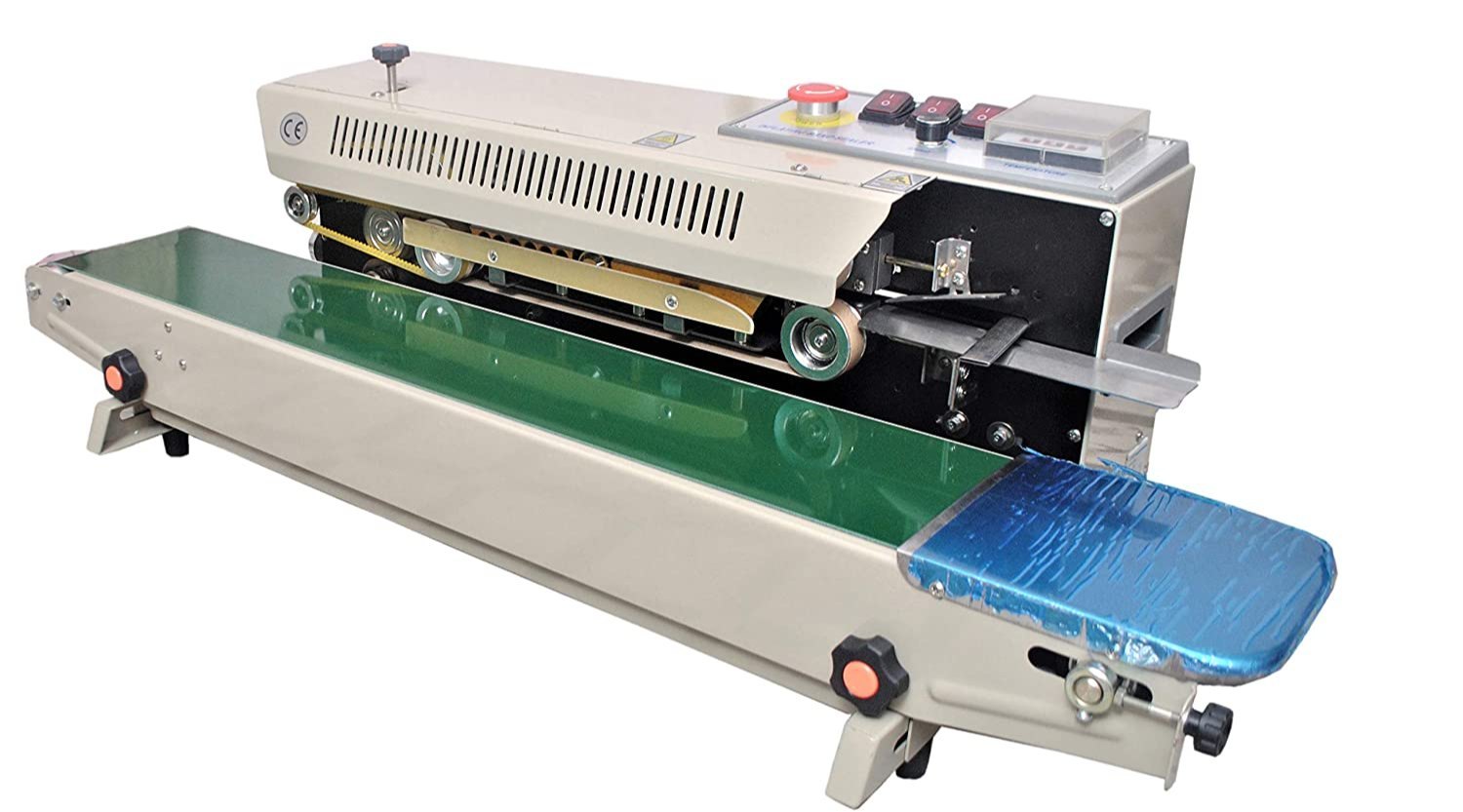
A pouch sealer helps seal pouches securely, keeping products protected, fresh, and safe for use or sale. It supports clean packaging and reliable sealing. To understand it better, it helps to know how the machine works and how heat sealing and impulse sealing differ in simple, clear terms.
What Is a Pouch Sealer?
A pouch sealer is a machine that seals the open edge of a pouch using heat and pressure. It melts the pouch’s sealing layer, then presses it together to create a tight, durable seal. You will find it in industries such as food packaging, medical, retail, electronics, and many daily packaging operations.
Core Components of a Pouch Sealer
A pouch sealing machine works with a few main components. These parts come together to create a strong seal.
- Heating element to generate the required heat
- Sealing bar or jaws to hold and press the pouch
- Pressure mechanism to ensure firm contact
- Timer or control settings to manage sealing duration
These components help the machine produce a consistent, safe, and clean seal every time. They keep the sealing simple and reliable.
How Heat Sealing Works?
Heat sealing uses constant heat to close pouches. The machine stays heated as long as it is on.
- The user places the pouch between heated sealing bars.
- The heating melts the inner layer of the pouch material.
- Pressure holds the pouch firmly during sealing.
- Cooling allows the melted layer to bond securely.
This method works well for thicker pouches and continuous industrial sealing requirements. It delivers strong results when high output is needed.
How Impulse Sealing Works?
Impulse sealing uses heat only at the moment of sealing. The machine remains cool otherwise.
- The pouch is placed on the sealing area.
- Power activates the heating wire instantly.
- The inner layer melts in a quick, controlled burst.
- Pressure holds the pouch until it cools and seals.
Impulse sealing saves energy, offers better temperature control, and suits thin to medium materials. It helps maintain neat sealing quality with less overall heat exposure.
Heat Sealing vs Impulse Sealing
Heat sealing uses continuous heat, while impulse sealing heats only when required. Heat sealing works better for thick materials and continuous production, and impulse sealing works better for controlled sealing tasks and lighter materials. Both methods create strong, dependable seals when used correctly.
When to Use Each Sealing Method?
Choose heat sealing when you want faster, continuous work and consistent heavy-duty sealing. On the other hand, you can choose impulse sealing for greater control, cooler operation, and improved energy efficiency. Selecting the right method improves sealing quality and prevents sealing damage or weak bonding.
Safety and Handling Basics
Safety improves sealing results and protects the user.
- Use correct temperature settings
- Keep sealing bars clean
- Avoid touching hot surfaces
- Follow the machine instructions carefully
These simple habits help maintain sealing strength and safe operation.
Conclusion
A pouch sealer works through heat, pressure, and timing. Heat sealing uses constant heat, and impulse sealing uses controlled bursts of heat. Both create secure, neat, and reliable pouch closures. Understanding how they work helps users choose the right method and achieve safe and professional sealing results every time.