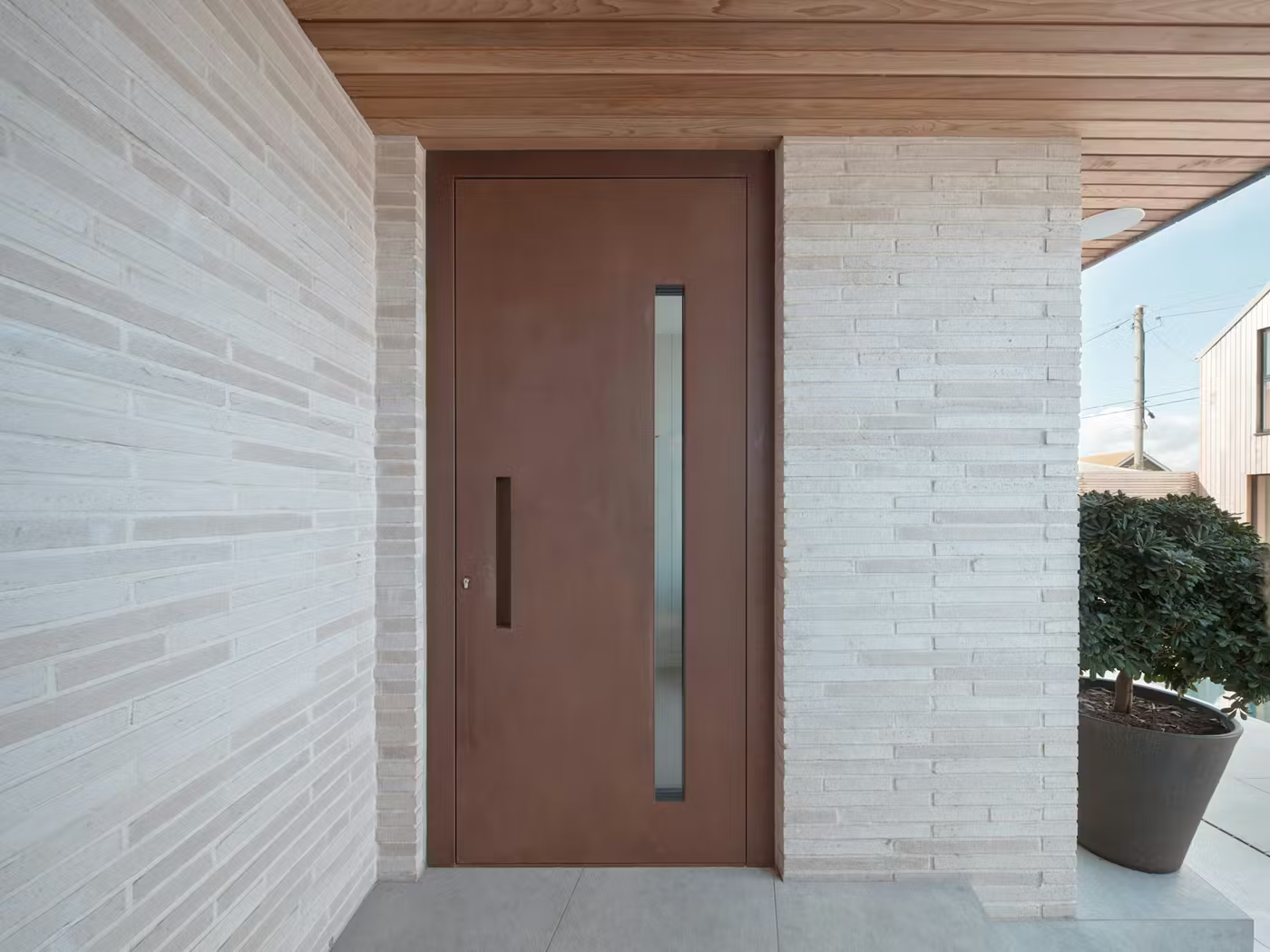
Home insulation depends on how effectively exterior openings control heat transfer and air leakage. The front entrance plays a critical role because it faces direct exposure to outdoor temperatures. Many homeowners consider steel front doors when assessing durability and insulation. While steel offers strength, energy efficiency depends on more than surface material. Construction precision, sealing quality, and long-term stability shape real performance. Modern aluminium entrance doors now address these factors through engineered systems and tested reliability. Understanding how steel compares with aluminium helps homeowners choose entrance solutions that support comfort, durability, and consistent energy savings.
Why Entrance Doors Influence Insulation And Energy Use?
The front door separates indoor living areas from external conditions. When this barrier allows heat gain or loss, cooling and heating systems work harder to maintain comfort. This increased load raises energy consumption and affects system longevity. Door material influences how well this boundary performs. Steel Front Doors often rely on insulated cores to limit heat transfer. However, insulation effectiveness also depends on dimensional stability and seal consistency, which vary by material and design approach.
Insulation Performance In Steel Front Doors
Steel doors usually use layered construction with an insulated core between metal panels. This design reduces direct heat transfer through the door surface. In controlled conditions, steel performs reliably. However, steel expands and contracts with changes in temperature. Over time, this movement can affect seal alignment around the frame. Even small gaps allow air leakage, reducing insulation efficiency and increasing energy demand.
Sealing Accuracy And Long-Term Consistency
Perimeter sealing plays a major role in insulation. Steel front doors require precise installation to maintain airtight seals. Exposure to heat, humidity, and seasonal variation can challenge long-term alignment. When seals weaken, conditioned indoor air escapes, and outdoor air enters. This exchange increases reliance on cooling or heating systems. As a result, steel door performance often depends heavily on maintenance and environmental conditions.
Why Aluminium Entrance Doors Offer Stable Insulation Control?
Aluminium entrance doors rely on engineered systems rather than material mass alone. Aluminium remains dimensionally stable across temperature changes. This stability allows seals to maintain consistent contact over time. Reliable sealing reduces air leakage and improves insulation predictability. Aluminium doors also support narrow yet strong profiles, which improve structural accuracy without compromising durability.
Engineered Construction And Thermal Management
Modern aluminium doors use factory-controlled manufacturing processes that ensure uniform dimensions and consistent assembly. Insulated profiles and precise joints reduce thermal bridging. Indoor temperatures remain more stable because uncontrolled heat transfer slows. Compared with steel front doors, aluminium systems maintain insulation performance with less dependence on periodic adjustment or correction.
Must Read: Which Glass Is Best for Privacy in French Doors?
Performance Testing And Reliability
Aluminium entrance doors undergo performance testing for air tightness, water resistance, and wind load. These tests simulate real housing conditions rather than ideal settings. Tested performance ensures insulation reliability under daily use and weather exposure. Over time, homeowners benefit from reduced drafts, more consistent indoor temperatures, and lower energy use.
Energy Savings Through Controlled Heat Transfer
Energy savings occur when indoor temperatures remain stable with minimal system intervention. When entrance doors restrict heat gain and air leakage, cooling and heating systems cycle less frequently. Aluminium entrance doors support this outcome by maintaining consistent sealing and structural accuracy. While steel front doors can initially reduce heat transfer, aluminium systems deliver more predictable results over extended use. Reduced system load lowers electricity consumption and supports longer equipment life.
Comfort Improvements In Everyday Living
Insulation affects daily comfort, not only energy bills. Entry areas often experience temperature variation when sealing fails. Stable entrance doors prevent cold drafts during winter and limit heat intrusion during summer. Aluminium entrance doors help maintain uniform indoor conditions in rooms near the entrance. This consistency improves comfort AI Workflow Automation Microsoft 365, especially in homes with open layouts or large circulation zones.
Coordinating Entrance Doors With A Folding Door Design
Many modern homes combine insulated entrances with open living transitions. A Folding Door Design often connects indoor spaces to outdoor areas, prioritising access and movement. While a folding door design enhances flexibility, it can increase thermal exposure. A high-performance entrance door offsets this effect by controlling insulation at the primary access point. Aluminium entrance doors support this balance by maintaining thermal control without limiting architectural intent.
Supporting Efficiency In Open Layouts
Homes with folding door designs require stronger insulation at fixed openings. Aluminium entrance doors act as a stable thermal anchor. This coordination allows homeowners to enjoy spatial openness while preserving comfort and energy efficiency.
Installation And Maintenance Considerations
Insulation performance depends on installation accuracy. Aluminium’s dimensional stability supports precise fitting during installation. Once installed, aluminium doors require minimal adjustment. Steel doors may need periodic realignment as material movement affects seals. Over time, aluminium systems reduce maintenance needs while maintaining insulation performance.
Conclusion
Entrance doors play a larger role in home insulation than many homeowners realise. Steel front doors provide durability and initial insulation through layered construction, but long-term performance depends on seal stability and alignment. Aluminium entrance doors address these requirements through engineered precision, performance testing, and dimensional consistency. These qualities reduce air leakage, stabilise indoor temperatures, and support lower energy use. When combined with architectural features such as a folding door design, aluminium entrance doors help create homes that balance comfort, efficiency, and long-term reliability.