
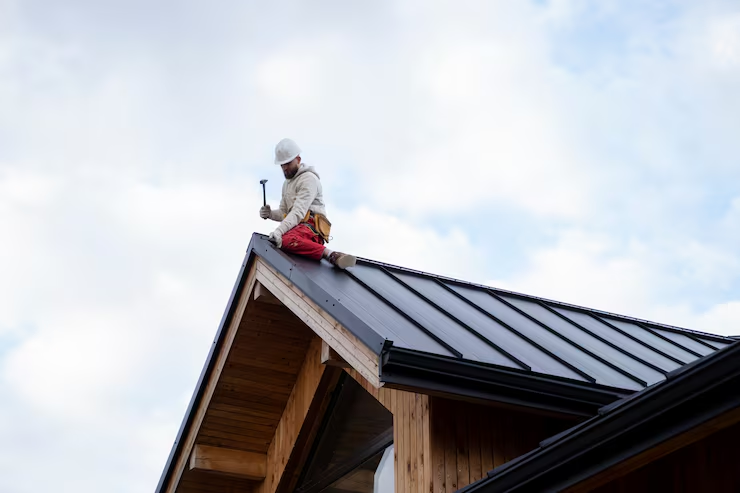
Roof issues rarely start with a dramatic collapse. Most begin quietly—one lifted shingle, a small flashing gap, or a slow leak that shows up weeks later as a stain. The earlier you identify the pattern, the smaller the repair tends to be.
Homeowners searching for roof repair greenvile sc are usually trying to answer two questions: “Is this urgent?” and “What does a proper repair actually include?”
The most common early warning signs
Interior signs
- Water stains on ceilings or near vents
- Peeling paint or bubbling drywall
- Musty odours in an attic or top-floor room
- Damp insulation or visible mould growth
Why stains can appear far from the leak
Water often travels along rafters or decking before it drips. The visible stain may be several feet away from the actual entry point.
Exterior signs (from the ground)
- Missing or lifted shingles
- Granules collecting in gutters
- Sagging rooflines
- Rusted or loose flashing near chimneys and valleys
What causes most “repeat” roof leaks
Repeat leaks usually happen when repairs address symptoms rather than root causes.
Flashing failures
Flashing is the transition material around chimneys, skylights, vents, and roof-to-wall junctions. Small gaps here can create persistent leaks.
Poor drainage or clogged gutters
When water backs up, it can seep under shingles or into fascia and soffit areas.
Valleys are high-risk zones
Roof valleys concentrate water flow. Damage here is more likely to create fast leaks during heavy rain.
Wind damage and lifted edges
High winds can lift shingle edges, breaking seals and allowing water intrusion during the next storm.
What a thorough roof repair process looks like
Diagnosis first, repair second
A proper repair starts with identifying:
- The exact water entry point
- Any secondary damage (decking, underlayment)
- Whether the issue is isolated or part of broader aging
Moisture checks matter
Attic inspection can reveal damp insulation, wood darkening, or mold growth that signals longer-term intrusion.
Targeted replacement and sealing
Repairs often include:
- Replacing damaged shingles or panels
- Re-securing loose materials
- Repairing or replacing flashing
- Sealing penetrations with appropriate materials (not generic caulk everywhere)
Verification
A repair should be checked for:
- Proper overlap and water-shedding direction
- Secure fasteners and clean transitions
- No exposed nail heads in vulnerable areas (where avoidable)
How to reduce the chance of future repairs
Keep gutters and downspouts functional
Twice-yearly cleaning reduces overflow and fascia rot risk.
Trim overhanging branches
Branches scrape shingles and drop debris, increasing moisture retention.
Inspect after major storms
Wind and hail can create damage that is not obvious from inside the home.
Schedule periodic attic checks
A quick attic look after heavy rain (safely, with good lighting) can catch issues early.
Repair vs replacement: when repairs may not be enough
Repairs are often appropriate when damage is isolated. Replacement may be worth evaluating when:
- The roof is near end-of-life
- Leaks occur in multiple areas
- Decking or underlayment is broadly compromised
- Repairs are becoming frequent and cumulative
A reputable roofing company greenville sc should be able to explain the condition in practical terms—what’s failing, why it’s failing, and whether repair is likely to remain stable.
Additional Point: The Importance of Choosing the Right Roofing Material
One factor that often gets overlooked when considering roof repairs is the roofing material. The type of material used on the roof can significantly influence both the longevity of the roof and the frequency of repairs needed.
- Asphalt shingles are common but tend to require more frequent repairs due to wear from weather conditions.
- Metal roofing can be a more durable option, often requiring less maintenance and lasting longer, especially in areas with extreme weather.
- Clay or concrete tiles provide excellent protection against heavy rain and winds but may crack under heavy impact or excessive stress.
Understanding the material’s longevity and how it interacts with the local climate can help homeowners decide if replacing the roof is more cost-effective than continuous repairs.
Additional Point: Professional Roof Inspections vs. DIY Assessments
While homeowners may attempt to check the condition of their roof themselves, professional roof inspections provide a more thorough, detailed evaluation. Roofing professionals are trained to spot early signs of damage that may not be visible to the untrained eye.
- A professional inspection often includes an assessment of structural integrity, the condition of flashing, underlayment, and ventilation systems, which are areas homeowners might miss in a DIY check.
- Additionally, professionals have the proper safety equipment and tools to assess difficult-to-reach areas of the roof, which can prevent injury and ensure a comprehensive inspection.
Conclusion
Roof repair is most successful when it’s early, targeted, and rooted in correct diagnosis—especially around flashing, valleys, and drainage systems. If you notice stains, lifted shingles, or attic moisture, treat it as a signal to investigate before damage spreads. Small repairs done well can prevent repeat leaks and protect the structure beneath the surface.