Lifts installation is very vital in the vertical Singaporean urban setting. Little land and increasing heights of buildings make efficient vertical mobility no longer a choice. It is necessary to be safe, convenient, and available. Residential, commercial and mixed use buildings are also turning out to be dependent on lifts to aid movement between floors easily.
In selecting Lift Installation Services in Singapore, property owners and developers need more than price to come to mind. Quality of installations directly influences long performance, compliance with safety, and cost of maintenance. The under-planned installation may lead to high breakdowns and regulatory issues. This is because knowledge on the mechanics of professional lift installation assists the decision-maker to minimize risks. It also guarantees the conformity with local standards and enhancing the value of the buildings. This guide will give you some important considerations, processes, and errors that are mostly avoided so that you can make an informed decision.
The importance of Quality Lift Installation in Singapore
Quality installation will guarantee safety and efficiency of the lifts within their lifetime. The Singaporean urban environment is highly dense, and any small installation mistakes can cause disruptions to the everyday functioning. Hence, professional standards are required.
The Performance of Lifts in Urban Dense set-ups
High rise residential buildings and commercial high-rise buildings characterize the skyline in Singapore. Thousands of users rely on vertical transport systems to move on a daily basis. The lifts minimize physical activity and increase the levels of accessibility among the elderly and those residents with mobility issues. There is also efficient lift systems that enhance traffic movement within the buildings. Installation will ensure that there are minimal wait periods and thus disruptions on operations. The newer buildings are taller and therefore the necessity of efficient vertical transports emerges further.
Safety and Compliance Requirements
There is a strict lift safety regulation in Singapore. The Building and Construction Authority and SCDF are officials that implement safety and operation standards. Compliance means that passengers are safe and their risks of accidents minimized. Installation of professional lifts in Singapore are done in accordance with accepted guidelines and tests. Installations are inspected by certified installers and can be guaranteed to be up to standard performance. This compliance cushions the owners of the building against fines and closing of operations.
The Major Considerations to make when selecting a Lift Installing Company
The choice of a service provider must be well assessed. There are a number of technical and regulatory factors that affect the success of the installation.
Experience and Expertise
It should have experience on the Singapore market. The local knowledge gives knowledge of the building structures and laws. With a wide range of varying building types, the providers that have a lot of experience can manage them. Technical know-how is also an issue. Passenger, freight and accessibility lift systems should be known to installers. This information provides the right solutions towards various building requirements.
Certifications and Knowledge of Compliance
Certified installation teams are professionally credible. They are familiar with lift installation in Singapore and they adhere to acceptable practices. Knowledge of compliance saves time in the project and failure to pass inspection. Professional technicians organize paperwork and authorizations. This proficiency makes the entire installation process easy.
Portfolio and Client References
The quality and reliability of installations are demonstrated in the past projects. The analysis of case studies can be used to evaluate technical capabilities. There are also such indicators as client testimonials, which show the consistency of the services and their professionalism. Trustworthy suppliers do not hide the references of their past projects. This openness creates confidence.
Technology and Product Line
The current structures need flexible elevator systems. Different types of lifts should be provided by the providers such as passenger, freight, and wheelchair-accessible lifts.There are customization opportunities, which make it able to integrate with architectural designs. The state of the art control systems enhance user comfort and efficiency of energy. Flexibility in technology guarantees the relevance in the long-run.
Budgeting and Estimated Costs
The installation of lifts will vary under a variety of factors. Realistic budgeting is facilitated by knowing these variables.
Issues which influence the cost of lift installation
The type of lift has a great influence on price. Passenger lifts are not freight or specialized access lifts. Equipment and installation requirements are also dependant on size and capacity. The height of the building influences the preparation of the shafts and the changes in the structure. The smart controls or interior finish are optional features that add to the costs. These are those factors that need to be considered at a young age.
Obtaining Quotes and comparing Providers
It is necessary to ask them to provide detailed quotations. Quations must indicate equipment specifics, scope of installation and schedules. Open pricing avoids the concealment of costs. Comparison of various providers assists in measuring value and not just price. Take warranty conditions, compliance assistance and maintenance inclusions. Comparison informed results in better decision making.
Sequential Process of Installing the Lift
Being able to know how the installation process works assists with regard to expectations. It also provides a smoother coordination with the service providers.
Primary Identification and preparation
This is initiated by site assessment. Engineers analyze building design, shaft sizes and loading. This test identifies feasibility and compatibility of design. Planning of design comes after assessment. Building specifications are adjusted to the utilization and building regulations. Proper planning reduces changes in the course of installation.
Installation and Testin
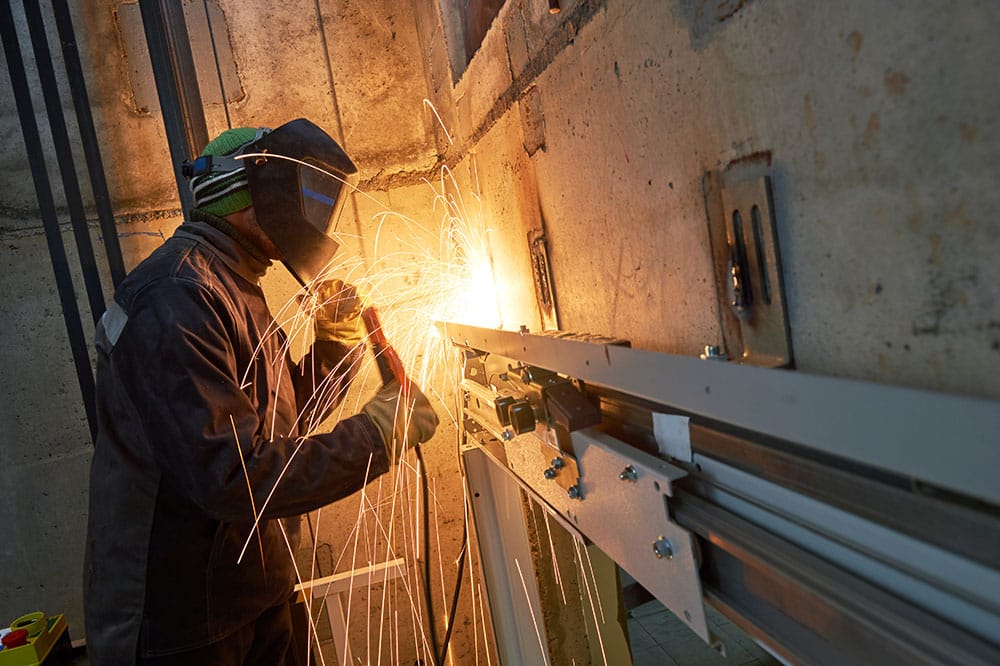
Installation refers to the putting of equipment and mechanical assembly. The electrical systems and safety components are coordinated. Testing guarantees operational reliability. This is to ensure safety features and performance standards are verified by the inspectors. The schedules are different based on the complexity of the projects and the readiness of the building.
Maintenance Planning and Handover
Building owners are given documentation after installation. This entails compliance certificates and operation manuals. Maintenance planning guarantees performance in the long run. Handover involves the clarification of warranty coverage and service agreement. Down time is minimized through proper planning.
Common Mistakes to Avoid
The possible mistakes include avoiding the typical ones that will lead to the problems in the operations in the long-term. Consciousness will be used to keep things safe and effective.
Ignoring Local Regulations
Ignoring compliance requirements in the locality is disastrous. Failure to comply may lead to fines and the suspension of operation. The services of Professional Lift Installing in Singapore focus on the compliance with regulations. Compliance safeguards the users as well as the building owners.
Conclusion
When it comes to the selection of the lift installation provider, one must be very careful. Performance and safety are directly influenced by experience, compliance knowledge and technical expertise. Knowledge of cost, processes, and errors decreases risk in the long-term. The services of professional lifting Lift installation in Singapore guarantee compliance with regulations, efficiency, and safety of users. Using certified providers is always beneficial as it helps in assuring your investment and also supporting sound vertical mobility.
FAQs
What is the time needed to install the lift in Singapore?
The timeframes depend on the type of lift and construction of the building. It takes several weeks after approvals to most projects.
Is lift installation permitted?
Yes, there should be permits and inspections. Installment of approval is handled by certified installers.
What does a normal lift installation service comprise of?
Planning, installation, testing, and documentation are normally provided as services.
What is the rate of lifts to be checked after installation?
Consistency of an inspection is a requirement. Frequency lies in the need of usage and regulations.