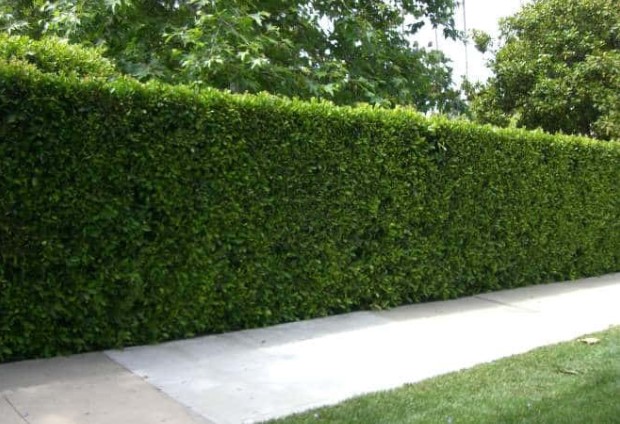
Creating a beautiful, low-maintenance hedge can transform any garden into a private, attractive space. If you are considering wax leaf privet, it is important to understand its growth patterns, care requirements, and suitability for different garden types. This evergreen plant is known for its dense foliage, adaptability, and resilience, making it an ideal choice for both novice and experienced gardeners. Those planting it benefit from a fast-growing, hardy hedge that requires minimal effort while still providing aesthetic appeal, privacy, and environmental benefits such as supporting wildlife and reducing noise.
Understanding Wax Leaf Privet
The waxy foliage of wax leaf privet gives it a lush, vibrant appearance year-round. This plant thrives in well-drained soil and can tolerate a variety of garden conditions, including full sun or partial shade. Gardeners often choose it for its durability and ability to form dense hedges quickly. With moderate watering and occasional fertilization, this species maintains its vibrant color and structure without extensive intervention. Understanding its natural growth tendencies helps in planning hedge height, spacing, and long-term maintenance to ensure a healthy, visually appealing garden feature.
Planting Your Hedge
Proper planting is essential for establishing a successful wax leaf privet hedge. Start by preparing a trench deep enough for roots to spread evenly and mix soil with organic compost to encourage early growth. Spacing plants appropriately ensures they develop into a dense, continuous hedge. Once planted, mulching around the base conserves moisture and prevents weeds from competing for nutrients. Those following these steps often find that wax leaf privet develops a uniform structure faster, reducing the need for constant trimming and promoting low-maintenance care.
Pruning and Maintenance Tips
Pruning is key to keeping a hedge tidy and healthy, and wax leaf privet responds well to regular trimming. Start with light pruning in the first year to encourage bushy growth, and gradually shape the hedge as it matures. The plant tolerates hard pruning if necessary, making it easy to maintain a desired height or width. Routine inspections for pests or diseases allow early intervention and prevent long-term damage. With minimal maintenance and occasional pruning, this hedge remains attractive, dense, and functional year-round, providing both aesthetic appeal and privacy.
Benefits Beyond Aesthetics
Choosing wax leaf privet offers multiple benefits beyond its visual appeal. Its dense foliage provides effective noise reduction and wind protection while creating a natural habitat for birds and beneficial insects. The evergreen nature ensures year-round coverage, and its resilience to variable soil and climate conditions reduces care requirements. Homeowners planting wax leaf privet often find that it enhances their garden’s environmental value, offering shelter and food sources for local wildlife while maintaining a beautiful, structured hedge with minimal effort.
Common Challenges and Solutions
While generally hardy, wax leaf privet can face challenges such as leaf discoloration, fungal infections, or slow growth in poorly drained soil. Addressing these issues involves adjusting watering schedules, ensuring adequate sunlight, and using organic fertilizers to support healthy development. Proper spacing and airflow between plants reduce the risk of fungal diseases, and selecting disease-resistant varieties can prevent recurring problems. By anticipating these challenges, gardeners can maintain a thriving hedge that requires less ongoing effort, emphasizing the plant’s low-maintenance qualities.
Conclusion
Thus, it is a practical and attractive choice for gardeners seeking a low-maintenance, dense hedge. By following proper planting, pruning, and care practices, it develops into a long-lasting garden feature that enhances privacy, aesthetics, and environmental benefits. Those interested in complementing their garden with additional greenery may consider the fastest-growing trees, which provide similar rapid coverage, adaptability, and minimal maintenance while enriching the overall landscape design. With consistent care and attention to planting techniques, both wax leaf privet and fast-growing trees can transform any outdoor space into a vibrant, sustainable garden retreat.