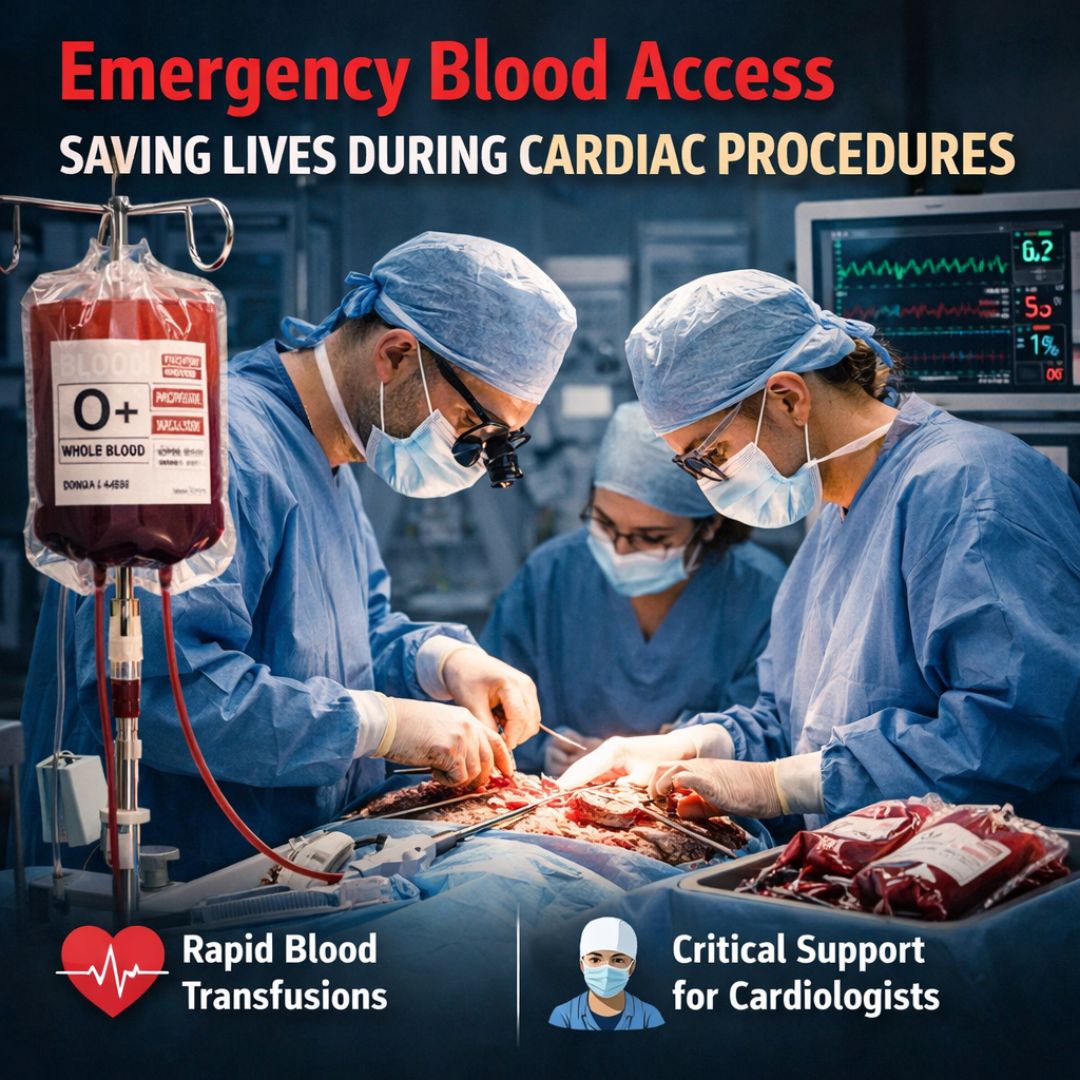
Scheduling your first vascular consultation can feel overwhelming, especially if you are unsure what the appointment involves. Many patients arrive with concerns about symptoms, testing, and treatment options. In the middle of preparing for your appointment, understanding how a visit with Dr Luh, vascular surgeon, is structured can help you feel more confident and prepared. From the initial check-in to discussing next steps, the first visit is designed to be informative, thorough, and patient-focused.
Preparing for Your Appointment
Medical History and Documentation
Before your visit, you may be asked to complete medical history forms. These documents help the care team understand your overall health, current medications, past surgeries, and family history of vascular conditions. Bringing previous imaging results or test reports, if available, can provide valuable context and reduce the need for repeat testing.
Symptoms and Questions
Patients are encouraged to note any symptoms they have experienced, such as leg pain, swelling, numbness, or slow-healing wounds. Writing down questions ahead of time ensures that all concerns are addressed during the consultation. Preparation allows the appointment to stay focused and productive.
The Initial Consultation Process
Check In and Vital Signs
When you arrive, the staff will guide you through check-in and record vital signs such as blood pressure and heart rate. These measurements are important in vascular care, as circulation and blood flow play a central role in diagnosis and treatment planning.
One-on-One Discussion
The consultation begins with a detailed conversation about your symptoms and health history. In the middle of this discussion, Dr Luh, a vascular surgeon, takes time to listen carefully, ask follow-up questions, and explain how vascular conditions may relate to what you are experiencing. This collaborative approach helps ensure nothing important is overlooked.
Physical Examination and Diagnostic Evaluation
Focused Vascular Examination
A physical exam is conducted to assess circulation, pulse strength, skin condition, and areas of discomfort. This examination provides immediate insight into potential vascular issues and helps guide the need for further testing.
Imaging and Diagnostic Tests
Depending on your symptoms, non-invasive tests such as an ultrasound may be recommended. These tests allow the surgeon to evaluate blood flow and vessel health in real time. If additional imaging is needed, the process and purpose will be clearly explained so you understand what to expect.
Understanding Your Diagnosis
Clear Explanation of Findings
After reviewing exam results and any available imaging, the findings are discussed in straightforward terms. Patients are encouraged to ask questions and seek clarification. Understanding your condition is essential for making informed decisions about care.
Discussion of Treatment Options
Treatment recommendations vary depending on the diagnosis. Options may include lifestyle adjustments, medication, minimally invasive procedures, or surgical intervention. The risks, benefits, and expected outcomes of each option are reviewed so you can choose a plan that aligns with your health goals.
Creating a Personalized Care Plan
Collaborative Decision Making
Vascular care is not one size fits all. A personalized treatment plan is developed based on your condition, overall health, and preferences. This plan outlines the next steps, timelines, and follow-up appointments.
Education and Prevention
Education plays a key role in long-term vascular health. Patients receive guidance on managing risk factors such as smoking, diet, activity level, and chronic conditions. These preventive strategies help improve outcomes and reduce the risk of future complications.
Follow Up and Ongoing Support
Scheduling Next Steps
Before leaving, follow-up visits or procedures are scheduled if needed. Clear instructions are provided so you know how to prepare and what to expect moving forward.
Continued Care Focus
In one of the final parts of the visit, Dr Luh, a vascular surgeon, ensures you feel informed and supported. The goal is to leave the appointment with clarity about your condition and confidence in the care plan.
Conclusion
Your first vascular consultation is an important step toward better circulation and overall health. Knowing what to expect can ease anxiety and help you engage more fully in your care. For patients seeking expert evaluation and compassionate guidance, choosing the right vascular Dr near me makes a meaningful difference in both experience and outcomes.