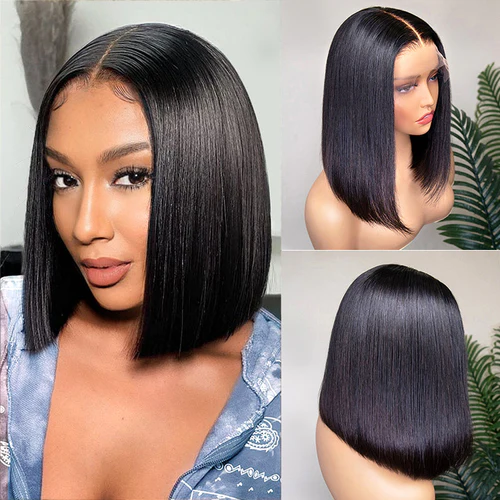
If you are curious about dyeing a synthetic wig, here’s the answer: You can do it, but only with certain types of dyes and by following a few steps. Regular hair dye won’t “take” on synthetic fibers. Done with a little gentle heat and the right products, you can nudge that tone and see a believable new shade yourself at home.
What Changes Work Best?
For synthetic wigs, colorizing is more like adding a stain as opposed to a soak. So it’s always easier to do it darker than lighter. You can take blonde to caramel, light brown to chocolate or put a fashion tone on top of pale. And if your wig is already very dark, vibrant results typically won’t appear.
Supplies You’ll Need
For the most foolproof results, round up all of this first. People typically use fabric dye on synthetic wigs because it has a better chance of binding with the plastic-based fibers than regular hair color does.
What you will need: A stainless pot (not one that will be used for cooking again), gloves, an old towel, a wide-tooth comb, dish soap and dye made for synthetics.
Step-by-Step: Dye Bath Method
This is the most consistent way to learn how to dye a synthetic wig.
1) Pre-wash
Wash with cool water and a small amount of dish soap. This removes product buildup so color sits evenly. Let it air dry until damp.
2) Mix the dye bath
Fill a pot with enough water to cover the wig. Heat until hot, but not boiling hard. Mix in the dye per instructions.
3) Strand test
Immerse a concealed area for 15-30 seconds. Synthetic fibers turn too quickly, so this saves your work from getting over-dark.
4) Dip in short rounds
Submerge the wig for 10–20 seconds, lift, and check between dips. This slow approach is what keeps color even and natural.
5) Rinse and dry
Rinse in cool water until clear. Spray a wig-safe conditioner if needed and air dry on a stand.
Adding Dimension with a Spray Technique
For lowlights or a soft root, mix fabric dye for synthetic wigs in a diluted form and then transfer to spray bottle and lightly mist on your wig with multiple light coats. Comb gently after each pass. Easy does it — excessive liquid at one time can lead to spots.
Choosing Synthetic Hair Colors That Look Natural
The best fake hair colors have description, not one flat shade. Opt for tones that complement your brows, or are a shade or two darker. When you’re going for realism, though: Stop a little sooner than you think; synthetic hair can err on the side of “too perfect” when it’s too dark.
Mistakes to Avoid
Most problems happen when people:
- Leave the wig in too long
- Use aggressively boiling water (which can frizz fibers)
- Skip strand testing and end up with patchy color
More sessions are better than fewer If the sight of a pen makes you anxious, break your work in multiple sessions instead of trying to tackle it all at once.
Can You Use Ink or Markers?
Some makers rely exclusively on ink for vivid fashion colors. It can do the trick, but it’s harder to control and it may also end up leaving a deposit on your clothes. And if wearable color is your goal, it’s back to the dye bath. Dying synthetic hair is a learning curve in the first place, so reliability is key.
One more tip: When dying synthetic hair, have a timer next to you and record dip times. That way, there’s the same color again whenever you want to dye it, or Color a 2nd wig with confidence.
Aftercare That Keeps Color Longer
After you’ve learned how to dye a synthetic wig, be gentle with it. Wash less frequently, use cool water and stow out of the sun; pass on hot tools unless a wig is labeled heat-friendly. Less friction means less fading.
How long should I leave a synthetic wig in the dye bath?
Most synthetic wigs only need 10–30 seconds per dip, and you should check the shade after every round. Synthetic fibers absorb color quickly, so short dips help you avoid over-darkening and patchy results.
Will dye damage a synthetic wig?
It can if the water is too hot or if the wig stays in the dye too long. To keep your wig safe, use hot (not boiling) water, do a strand test first, and rinse with cool water. This prevents frizz, dryness, and uneven color.