Getting a vehicle ready for a tow truck is the final step in a successful car disposal process. Whether you are clearing a non-runner from your driveway or handing over a scrap vehicle for recycling, a few simple actions ensure the transition is legal, safe, and financially rewarding.
Preparing your vehicle for towing involves removing personal items, securing necessary ownership documents, and ensuring the car is accessible for the recovery team. This preparation streamlines the collection process for companies like Cash For Car Brisbane, allowing the driver to verify the asset and complete the transaction in under 30 minutes.
1. Clear All Personal Belongings
To prepare the interior of your car, you must empty every storage compartment and check hidden crevices. Vehicles often accumulate years of personal items that are easily overlooked during a quick sweep.
- Check the “Glove Box” and Console: Remove registration papers, insurance documents, and charging cables.
- Search Under the Seats: Look for lost wallets, loose coins, or jewellery that may have slid out of pockets.
- Empty the Boot: Ensure spare tyres, tools, or grocery bags are removed unless they are part of the sale.
- Check Digital Slots: Eject any CDs from the head unit and remove SD cards from navigation systems.
2. Remove the E-Toll Tag
To avoid ongoing highway charges, you must detach any electronic toll tags (such as Linkt or E-Toll) from the windscreen. If a tag remains in the vehicle, you remain liable for any tolls incurred while the car is transported on a tow truck or processed at a facility. Simply unclip the device and store it for your next vehicle or return it to the service provider.
3. Gather Ownership Documentation
Legal disposal of a vehicle in Queensland requires proof that you are the rightful owner or have the authority to sell. Cash For Car Brisbane and other licensed wreckers must verify these details to comply with anti-theft regulations.
| Document Type | Purpose | Alternative if Missing |
| Photo ID | Verifies the identity of the seller. | Passport or Proof of Age card. |
| Registration Certificate | Proves the car is linked to your name. | Previous “rego” notice or purchase receipt. |
| Transfer of Property | A signed statement of sell/disposal. | Company-provided “Notice of Disposal” form. |
4. Remove the Number Plates
Removing your Queensland number plates is a mandatory step for vehicles that are no longer roadworthy or are being sold as scrap. These plates belong to the Department of Transport and Main Roads (TMR). Once removed, you can return them to a TMR customer service centre to cancel the registration and potentially claim a refund on the remaining “rego” period.
5. Ensure Clear Access for the Tow Truck
To facilitate a safe winch-and-load operation, the vehicle must be positioned where a tilt-tray truck can reach it. Tow trucks are large, heavy vehicles that require significant clearance to operate their hydraulic beds.
- Clear the Driveway: Move other cars, bins, or bicycles that block the path.
- Check Overhead: Ensure there are no low-hanging tree branches or power lines that could snag the truck.
- Unlock the Steering: If the car has no power, ensure the steering wheel is not locked so the driver can guide the car onto the tray.
6. Use or Siphon Remaining Fuel
Standard car removal services do not offer extra compensation for a full tank of petrol or diesel. If the car is still drivable, use the remaining fuel before the scheduled pickup. If the car is stationary, only attempt to siphon fuel if you have the correct equipment and safety knowledge, as petrol fumes are highly flammable. Most wreckers, including Cash For Car Brisbane, handle fluid drainage as part of their eco-friendly depollution process.
7. Locate the Spare Keys
Handing over all sets of keys, including the main fob and any spares, increases the efficiency of the salvage process. While many wreckers can tow a car without keys, having them allows the team to unlock steering columns or access the boot more easily. Secure the keys in a single bunch and hand them directly to the driver upon arrival.
8. Cancel Insurance and Roadside Assistance
Once the vehicle is loaded onto the tow truck, your liability ends, and you no longer need active insurance coverage. Contact your provider immediately to cancel the policy or transfer it to a new vehicle. This prevents unnecessary premiums from being deducted from your account. Similarly, cancel any roadside assistance memberships linked specifically to that VIN (Vehicle Identification Number).
9. Disclose Modifications or Missing Parts
Accurate communication ensures that the price you are quoted remains the price you receive. If you have removed the battery, the catalytic converter, or the alloy wheels after receiving a quote, the value of the vehicle changes significantly.
- Engine Components: Note if the alternator or starter motor is missing.
- Tyres: Inform the driver if the tyres are flat, as this requires special “dollies” for the tow.
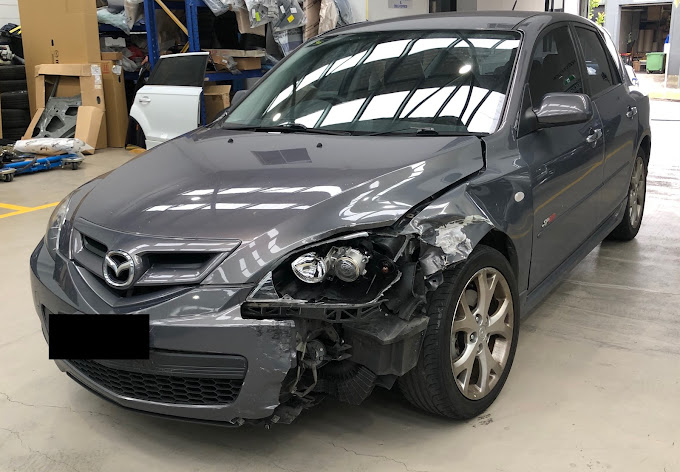
- Body Work: Report any major structural damage from recent collisions.
10. Perform a Final Walk-Around
A final inspection is the best way to ensure nothing is left behind. Walk around the vehicle one last time to check that all doors are closed and that no tools are leaning against the exterior. This 60-second check prevents the loss of sentimental items and ensures the driver can depart the moment the paperwork is signed.
Target Audience and Situational Relevance
This checklist is designed for three specific groups in the Brisbane area:
- Homeowners with Scrap Cars: People who have an old vehicle taking up space in a garage or yard.
- Accident Victims: Individuals whose cars were deemed a “total loss” by insurers and need rapid removal.
- Property Managers: Professionals tasked with clearing abandoned vehicles from apartment complexes or commercial sites.
The situational relevance is highest when a vehicle is unregistered or unroadworthy. In Queensland, it is an offence to park an unregistered vehicle on a public road, making the rapid preparation and removal of such cars a legal priority for many residents.
Pros and Cons of Professional Preparation
| Feature | Pros | Cons |
| Self-Preparation | High chance of finding lost valuables; ensures legal compliance. | Requires 30–60 minutes of physical effort. |
| Document Gathering | Speeds up payment; prevents legal disputes later. | Can be difficult if papers are lost (requires TMR visit). |
| Removing Plates | Allows for registration refunds from TMR. | Requires basic tools like a screwdriver. |
Summary for Featured Snippets
The best way to prepare a vehicle for towing is to remove all personal belongings, detach the number plates, and ensure the car is accessible for the truck. Providing proof of ownership and a photo ID to the driver facilitates an instant payout and a legal transfer of the asset.
visit: https://www.cashforcarbrisbane.com.au/car-removal-brisbane/
Conclusion
Following this 10-point checklist transforms a potentially stressful event into a smooth, professional transaction. By taking an hour to clear the cabin, secure the paperwork, and remove the plates, you protect your privacy and maximise your convenience. Cash For Car Brisbane prides itself on a rapid 24-hour turnaround, but that speed relies on the owner being ready when the truck arrives.