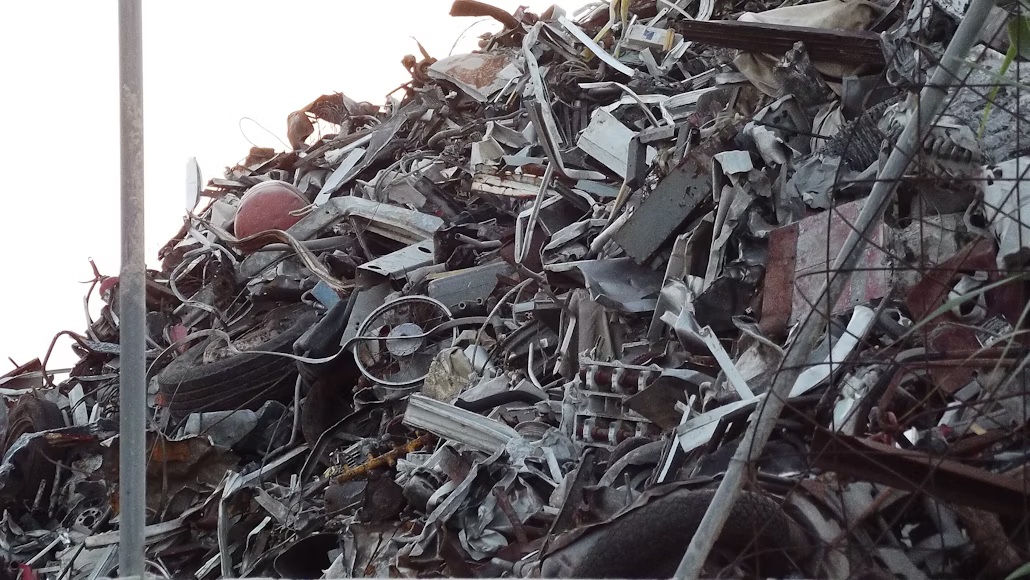
When you sell a load of scrap or an old vehicle, the journey from your driveway to a new industrial product is a complex, high-tech process. In Queensland, Metal Biz Recyclers operates at the heart of this cycle, ensuring that discarded materials do not sit in landfills but instead re-enter the global supply chain. This recycling journey supports the circular economy by converting waste into high-quality raw materials for manufacturing.
Where Does Your Metal Go? Understanding the Metal Biz Recycling Journey
The metal recycling journey begins with collection and sorting at a local yard, followed by industrial shredding, melting in specialized furnaces, and finally being cast into new ingots for manufacturers. Metal Biz Recyclers facilitates this by providing accessible drop-off points and free vehicle removal, ensuring that ferrous and non-ferrous metals are processed according to strict environmental standards.
Stage 1: Collection and Initial Sorting
To start the recycling process, scrap metal is gathered from diverse sources including households, construction sites, and automotive wrecking. At Metal Biz Recyclers the team accepts everything from old copper piping and brass fittings to entire semi-trailers.
Once the material arrives at one of the Brisbane sites, it undergoes a rigorous sorting phase. Workers use powerful industrial magnets to separate ferrous metals, which contain iron and are magnetic, from non-ferrous metals like aluminium and copper. This step is critical because mixing metal types significantly lowers the quality and value of the final recycled product.
visit: https://www.metalbiz.com.au/scrap-metal/logan/
Stage 2: Processing and Shredding
After sorting, the metal is processed into smaller pieces to prepare it for the melting stage. Large objects, such as car bodies or industrial beams, are fed into massive shredders that break the metal down into palm-sized fragments.
Shredding serves 3 primary purposes:
- Surface Area Increase: Smaller pieces melt much faster than large chunks, which drastically reduces the energy required for the furnace.
- Contaminant Removal: The shredding process helps separate non-metallic components like plastic, rubber, and glass that were missed during initial sorting.
- Volume Reduction: Shredded metal is easier to transport in bulk, lowering the carbon footprint associated with shipping materials to refineries.
The Technical Path of Recycled Metal
The following table outlines how different common metals are handled and where they eventually end up after leaving the Metal Biz Recyclers facility.
| Metal Type | Identification Method | Melting Point | Common End Products |
| Aluminium | Non-magnetic, lightweight | 660°C | Drink cans, engine parts, window frames |
| Copper | Reddish-gold hue, heavy | 1,085°C | Electrical wiring, plumbing pipes, electronics |
| Steel/Iron | Magnetic, silver-grey | 1,370°C | Beams, appliances, shipping containers |
| Brass | Yellow-gold, heavy | 930°C | Door handles, musical instruments, valves |
| Lead | Soft, very heavy, dull grey | 327°C | Car batteries, radiation shielding |
Stage 3: Melting and Purification
The shredded metal is transported to a refinery where it is placed into a large industrial furnace designed for that specific material. For example, steel is processed in a Basic Oxygen Furnace (BOF) or an Electric Arc Furnace (EAF).
During the melting process, purification occurs to ensure the metal reaches the high standards required for new manufacturing. Techniques such as electrolysis or the addition of fluxing agents help remove impurities like oxidation or paint residues. This ensures that the recycled metal possesses the same structural integrity as “virgin” metal created from mined ore.
Stage 4: Solidifying and Manufacturing
Once the metal is molten and purified, it is poured into moulds to create specific shapes. These shapes, known as ingots, billets, or slabs, are cooled and then shipped to factories across Australia and the world.
Manufacturers use these recycled blocks to create thousands of daily items. 5 examples of products made from recycled scrap include:
- Structural Steel: Used in the skeletons of new Brisbane skyscrapers and apartment blocks.
- Consumer Packaging: Such as the aluminium cans found in supermarkets.
- Automotive Parts: Including new engine blocks and body panels for the latest vehicle models.
- Home Infrastructure: Such as copper wiring and brass plumbing fixtures.
- Household Appliances: Including the steel casings for washing machines and fridges.
Environmental and Economic Functions
The recycling journey performed by Metal Biz Recyclers provides essential functions for the Queensland community.
- Resource Preservation: For every tonne of steel recycled, we save 1.5 tonnes of iron ore and 0.5 tonnes of coal.
- Energy Conservation: Recycling aluminium uses 95% less energy than producing it from bauxite ore.
- Landfill Diversion: Thousands of tonnes of metal are kept out of local tips, extending the life of our waste management infrastructure.
- Local Employment: The scrap metal industry supports hundreds of jobs in South East QLD, from truck drivers to heavy machinery operators.
Target Audience and Situational Relevance
This recycling journey is highly relevant to tradespeople, demolition contractors, and everyday homeowners. If you are a plumber with a pile of old copper pipes or a homeowner with a rusted-out ute, you are the starting point of this global cycle.
Using Metal Biz Recyclers is particularly relevant in situations where you have bulky metal waste that local council kerbside collections will not accept. Instead of paying for a skip bin, you receive an Osko payment for the value of the raw material.
Pros and Cons of the Recycling Journey
Pros:
- Infinite Recyclability: Unlike plastic, metal can be recycled forever without losing its physical properties.
- Economic Return: You earn money for items that would otherwise be considered “rubbish.”
- Lower Emissions: The process emits up to 80% less CO2 compared to traditional mining.
Cons:
- Sorting Effort: Mixed loads often fetch a lower price than pre-sorted materials.
- Market Volatility: The price of scrap fluctuates daily based on global commodity markets.
visit: https://www.metalbiz.com.au/scrap-metal/rocklea/
The Final Word on Metal Biz Recyclers
The journey from “junk” to “new product” is a testament to modern engineering. By choosing Metal Biz Recyclers, you ensure that your old vehicle or scrap metal is handled by experts who prioritise safety and sustainability. This process not only puts cash in your pocket but also protects the Australian environment for future generations.