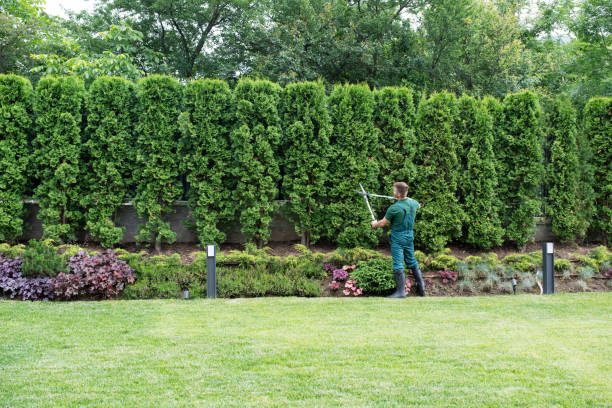
Growing and maintaining a thriving landscape begins with professional commercial tree care that keeps your business environment safe, welcoming, and valuable. Trees are much more than visual assets; they play a vital role in environmental health, energy efficiency, and community appeal. Effective commercial tree care goes beyond basic trimming and watering. It requires a strategic plan tailored to the unique demands of commercial properties — from office parks and retail centers to schools and industrial campuses. In this comprehensive guide, we’ll explore the essentials of commercial tree care, offering actionable insights to help facility managers and property owners protect their investments and enhance their surroundings.
What Is Commercial Tree Care?
Commercial tree care refers to the comprehensive management of trees on business properties. It includes a range of services designed to maintain tree health, structural integrity, and visual appeal. Because commercial properties often experience heavy foot and vehicle traffic, and because aesthetics can influence customer impressions, tree care must be both proactive and strategic. Services under this umbrella typically include regular inspections, pruning, disease management, soil care, risk assessments, and removal of hazardous trees.
Why Commercial Tree Care Matters
Trees are valuable assets, and when properly cared for, they can:
-
Increase property value: Mature, well-maintained trees improve curb appeal and community perception.
-
Enhance safety: Regular maintenance reduces the risk of falling branches and other hazards that could harm people or property.
-
Promote environmental benefits: Trees improve air quality, reduce stormwater runoff, and offer shade that can lower energy costs.
-
Prevent costly damage: Early detection of disease or structural issues can save money compared to emergency removal or repairs after a failure.
Having a dedicated commercial tree care plan ensures that these benefits are realized continuously rather than sporadically.
Core Components of an Effective Tree Care Program
1. Routine Tree Inspections
Professional arborists conduct thorough evaluations of tree health and structure. This includes checking for signs of disease, insect infestations, decay, root issues, and structural weaknesses. Regular inspections allow caretakers to address problems before they escalate.
2. Pruning and Trimming
Commercial properties often require scheduled pruning to:
-
Clear branches from buildings, walkways, and power lines
-
Improve tree structure and form
-
Remove dead or diseased limbs that pose hazards
Proper pruning not only keeps trees safe but also enhances their aesthetic contribution to the landscape.
3. Soil and Root Management
Tree health starts below ground. Soil compaction, nutrient deficiencies, and inadequate irrigation are common issues on developed properties. Techniques such as aeration, fertilization, and mulching help maintain root vigor and tree resilience.
4. Pest and Disease Control
Trees can be susceptible to a range of pests and pathogens. Early detection and targeted treatments — biological, chemical, or cultural — can control outbreaks and prevent spread to other trees.
5. Cabling and Bracing
For trees with structural weaknesses, support systems such as cables and braces provide stability and reduce the risk of limb failure. This is especially important in high-traffic commercial zones.
6. Tree Removal and Replacement
Sometimes removal is necessary for safety reasons or to accommodate development. Professional tree care also involves replanting suitable species to replace lost trees, ensuring long-term landscape sustainability.
Planning a Commercial Tree Care Strategy
Developing a successful commercial tree care plan involves collaboration between property managers, landscape architects, and certified arborists. Here are key steps to build an effective strategy:
-
Assessment: Conduct a comprehensive survey of all trees on the property.
-
Documentation: Create a tree inventory that includes species, age, condition, and maintenance history.
-
Priority Setting: Identify which trees need urgent attention and which can be monitored.
-
Scheduling: Establish a maintenance calendar that includes seasonal tasks like pruning and fertilization.
-
Budgeting: Allocate funds for ongoing care, emergency work, and future enhancements.
Choosing the Right Trees for Commercial Landscapes
The tree species selected for a commercial property can have long-term implications. Ideal trees for commercial use are:
-
Suited to local climate and soil conditions
-
Resistant to common pests and diseases
-
Low-maintenance once established
-
Non-invasive to underground utilities and pavements
Proper selection reduces the need for intensive care and minimizes future risks.
Benefits of Working With Certified Professionals
Commercial tree care should always be handled by trained professionals. Certified arborists bring expertise in tree biology, safety standards, and industry best practices. They are equipped with the right tools and knowledge to perform work efficiently and safely. Improper tree care, such as incorrect pruning or removal techniques, can harm trees and create liabilities.
Measuring Tree Care Success
Success in commercial tree care is measured by improvements in tree health, reduced risk incidents, positive feedback from stakeholders, and lower long-term maintenance costs. Regular reports and follow-up inspections help ensure the plan evolves with the property’s needs.
Cost Considerations
Costs for commercial tree care vary based on tree size, species, property size, and specific services required. While routine care involves predictable expenses, emergency work or major removals may add to the budget. However, investing in consistent care ultimately lowers long-term costs by preventing emergencies and prolonging tree life.
Sustainable Practices in Tree Care
Commercial tree care can incorporate sustainability by using organic soil amendments, encouraging biodiversity, and selecting native tree species. Sustainable practices not only benefit the trees but also align with broader environmental goals that many businesses prioritize today.
Conclusion
Investing in professional commercial tree care ensures safety, enhances aesthetics, and protects the value of your commercial property. A well-executed tree care program fosters a healthy landscape that impresses visitors and supports environmental goals. From routine inspections and pruning to soil management and strategic planning, each aspect plays a crucial role in the longevity of your trees. For expert commercial tree care services tailored to your property’s unique needs, trust the dedicated professionals at adney tree service who bring knowledge, experience, and commitment to every project.