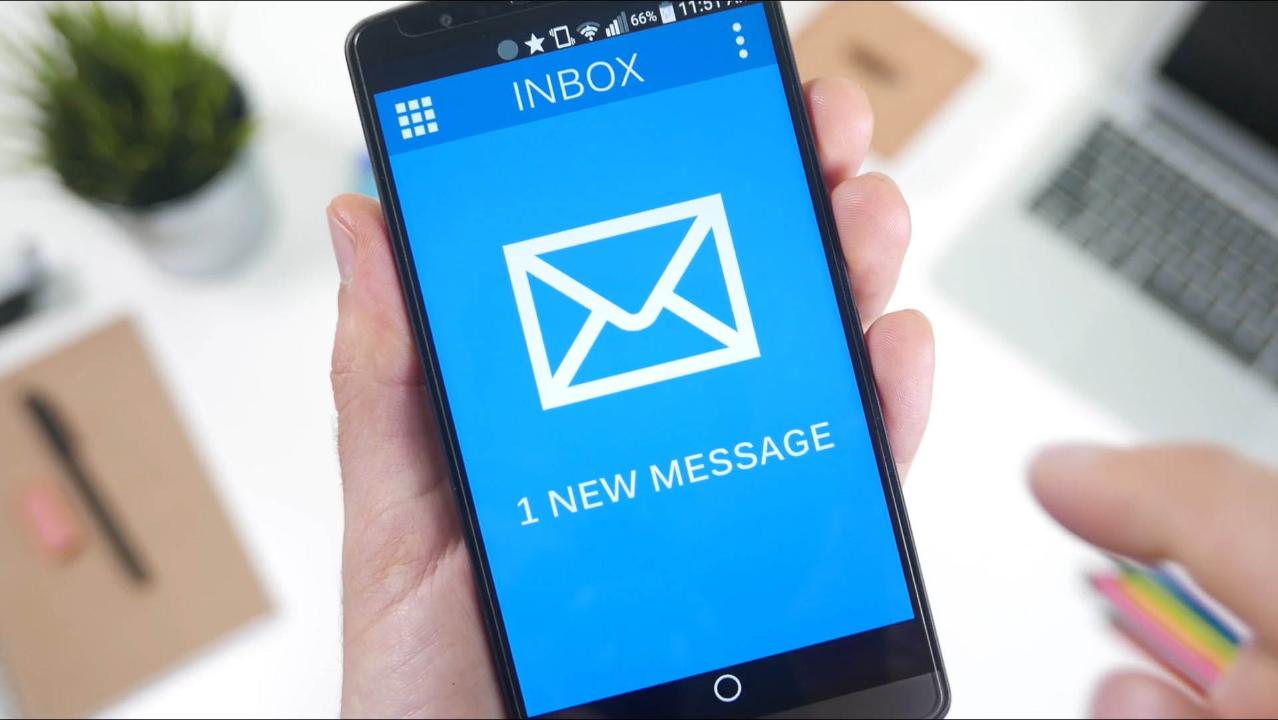
Effective communication is crucial for the success of any educational institution. In a world where parents, students, and teachers are busy juggling various responsibilities, staying informed about school activities can be challenging. This is where an SMS Alert System for Schools becomes invaluable. SequelAlert is a leading provider of such systems that deliver immediate and essential updates, ensuring that everyone remains in the loop.
Why Schools Need Efficient Communication
In today’s fast-paced environment, efficient communication is not just a convenience; it is a necessity. Schools constantly face the challenge of disseminating information—whether it be about school events, schedule changes, emergency notifications, or even daily announcements. The traditional methods of communication, such as emails, newsletters, or bulletin boards, often fall short in reaching parents and students promptly.
The SMS Alert System for Schools addresses these issues by providing real-time communication directly to the mobile devices of parents and students. With SequelAlert, schools can now ensure that critical updates reach their intended audience effectively and efficiently.
Benefits of Using an SMS Alert System for Schools
1. Timely Updates
One of the most significant advantages of an SMS Alert System is its ability to deliver timely information. Whether it’s a last-minute schedule change or important reminders about upcoming events, SMS alerts can reach recipients within seconds. This is vital in situations where immediate awareness is critical, such as warnings about severe weather or emergency protocol.
2. Improved Parent Engagement
Engaged parents contribute to a more supportive school environment. With an SMS Alert System for Schools, parents can easily stay informed about their child’s academic journey. They receive alerts about report card releases, parent-teacher conferences, and other important school activities. When parents are actively informed, they are more likely to participate in school events and support their children’s educational efforts.
3. Increased Accessibility
With the rise of mobile technology, an SMS Alert System provides a level of accessibility that traditional methods cannot match. SMS messages are delivered to mobile phones regardless of the operating system, ensuring that even those with limited internet access receive critical information. SequelAlert ensures that every parent has the chance to stay informed, leading to a more involved and aware school community.
4. Reduction in Miscommunication
Miscommunication can lead to confusion and frustration, particularly when it comes to school announcements. An SMS Alert System eliminates this problem by providing a single, reliable source for updates. Parents and students no longer have to rely on emails that may go unnoticed or printed notices that can easily be lost. When important information is disseminated through SMS, it reduces the chances of misunderstandings.
5. Emergency Notifications
In emergencies, timely and clear communication can be lifesaving. An SMS Alert System allows schools to send immediate notifications in case of threats, lockdowns, or evacuations. For example, if there’s a situation on campus requiring swift action, the ability to inform teachers, students, and parents instantly is crucial. With SequelAlert, schools can act swiftly, ensuring everyone is aware of the situation and knows how to respond.
Implementing an SMS Alert System in Schools
To reap the full benefits of an SMS Alert System for Schools, the implementation process needs careful planning and execution. Here are the steps that schools can follow to ensure successful integration:
1. Identify Communication Needs
Before implementing an SMS alert system, schools should assess their specific communication needs. This includes identifying the types of messages that need to be sent, how frequently they will be sent, and who the primary audience will be. Understanding these factors will guide the school in selecting the most suitable SMS Alert System.
2. Choose the Right Service Provider
Selecting the right SMS service provider is crucial for successful implementation. SequelAlert offers features that cater specifically to educational institutions, such as universal compatibility with systems like PRTG and SolarWinds. Evaluating different providers based on pricing, features, and reliability is essential to find the best fit for your school’s needs.
3. Train Staff Members
Proper training is necessary to ensure that staff members can effectively utilize the SMS Alert System. Administrative staff should be well-versed in how to compose messages, manage contact lists, and understand reporting features. Conducting training sessions will empower staff to use the system efficiently, particularly in emergencies.
4. Engage Parents and Students
Once the SMS system is in place, it’s important to engage parents and students. Schools should communicate the benefits of the SMS Alert System, explaining how it works and how they can opt in to receive alerts. Promoting the system through school assemblies, newsletters, and parent-teacher meetings will help increase participation and awareness.
5. Gather Feedback
After implementation, schools should regularly gather feedback from parents and staff about the effectiveness of the SMS Alert System. This feedback is vital for identifying areas for improvement and ensuring that communication remains efficient. Continuous evaluation helps schools adapt to changing needs and fosters a culture of transparency.
Success Stories: Schools That Use SMS Alert Systems
Many schools that have adopted SMS Alert Systems like SequelAlert have reported substantial improvements in communication and parent engagement. For instance, a school district in New York reported a significant reduction in missed communications after implementing an SMS alert system. Parents appreciated the timely updates about schedule changes and events, resulting in increased participation in school functions.
Another example is a California high school that effectively utilized SMS alerts to inform parents and students of a severe weather alert. The immediate notifications helped ensure that students were kept safe and informed, allowing parents to make necessary arrangements without panic.
Best Practices for Using SMS Alert Systems
- Keep Messages Clear and Concise: Given the character limits of SMS, it’s important to keep messages clear and to the point. Ensure alerts convey critical information succinctly but thoroughly.
- Respect Privacy: Always make sure to handle contact information carefully, respecting the privacy of students and parents. Communicate transparently about how their information will be used.
- Schedule Regular Updates: Beyond emergencies, use the SMS system for regular communication. This can include reminders for events, school closures, or even positive messages celebrating student achievements.
- Monitor Delivery Rates: Utilize the reporting features that come with your SMS system to monitor delivery rates and ensure that messages are being successfully received by all intended recipients.
- Be Flexible: As needs change, be open to adapting the way the system is used. Regularly assess its effectiveness to ensure it continues to meet the needs of your school community.
Conclusion
In an age where efficient communication is more important than ever, implementing an SMS Alert System for Schools can have a profound impact. By using solutions like SequelAlert, schools can streamline daily updates, improve parent engagement, and ensure timely communication for emergencies.
With the right tools and strategies in place, educational institutions can foster a more informed, active, and supportive community for students, parents, and staff alike.