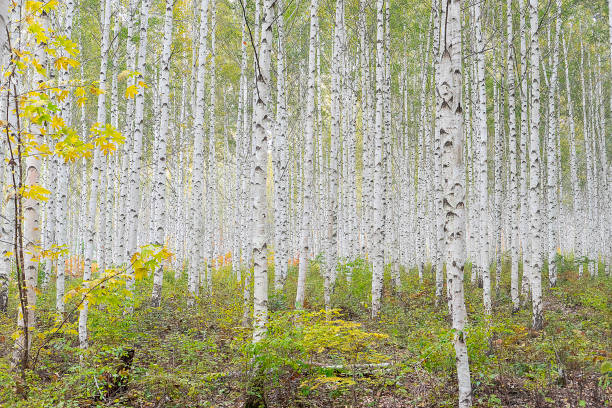
Birch trees Michigan homeowners love for their graceful form and striking bark bring both beauty and unique care needs to local landscapes. Native and ornamental birches add vibrant spring and summer greenery and standout winter interest with dramatic white, silver, and yellow-tinted bark. However, these trees require specific attention in Michigan’s distinct climate, soil types, and seasonal weather patterns. Understanding how to plant, water, protect, and maintain birch trees ensures they thrive for decades as healthy, delightful additions to your property.
Understanding Birch Trees in Michigan Landscapes
Birch trees in Michigan can include several species, such as white birch (paper birch), yellow birch, and river birch. Each has unique characteristics, but they share many care principles. Michigan’s variable climate—with hot summers, cold winters, and periodic droughts—demands careful site selection and ongoing attention to water, soil, and pests. When planted in an ideal location with proper care, birch trees Michigan residents enjoy can become landscape showpieces.
Most birches prefer moist, well-drained soil with adequate organic matter. They flourish in locations with partial shade to full sun, though afternoon shade can reduce heat stress during Michigan’s warmer months. Understanding the natural growth patterns and needs of birch trees helps homeowners anticipate challenges and promote vigorous growth.
Choosing the Right Site and Soil Preparation
Before planting, evaluate your site carefully. birch trees Michigan landscapes support should have:
-
Well-drained soil: Avoid low spots where water pools, which can lead to root rot.
-
Slightly acidic soil: Birch trees prefer a pH slightly below neutral, common throughout much of Michigan.
-
Space for growth: Allow plenty of room for roots and canopy expansion without crowding buildings or other trees.
Prior to planting, loosen the soil and amend it if needed with organic compost. This improves water retention while maintaining drainage. Avoid heavy clay soil unless you improve it significantly or use raised beds to support root establishment.
Planting Birch Trees: Step-by-Step
-
Dig a wide hole: Make it twice as wide as the root ball and slightly shallower than tree height. A wide hole encourages roots to spread outward.
-
Backfill gently: Mix native soil with compost; avoid packing too tightly. Ensure the tree’s root flare sits slightly above the soil line.
-
Water thoroughly: After planting, saturate the root zone to eliminate air pockets and encourage root contact with soil.
-
Mulch: Add a 2–4 inch layer around the tree, keeping mulch a few inches from the trunk to prevent rot.
Proper planting sets the stage for healthier growth and reduces stress that can attract pests and disease.
Watering and Seasonal Care
Birch trees in Michigan require consistent moisture, especially in the first 2–3 years after planting. Water deeply once or twice a week rather than frequent shallow watering. Deep watering encourages roots to reach further into the soil, building drought resistance.
In summer, monitor soil moisture frequently. Mulch helps conserve water while moderating soil temperature. In winter, established birches are cold tolerant, but consistent watering through fall helps them endure Michigan’s harsh freezes.
Pruning and Maintenance Practices
Regular pruning keeps birch trees healthy and attractive. Early spring—before buds open—is a good time for most pruning tasks. Key pruning tips include:
-
Remove dead, damaged, or crossing branches.
-
Thin the canopy to improve air flow and reduce disease risk.
-
Avoid excessive pruning, which can stress the tree.
Young trees benefit from formative pruning to establish a strong structure, while mature specimens need periodic shaping and health maintenance.
Common Pests and Diseases in Michigan
Birch trees Michigan homeowners often contend with include threats like:
-
Bronze birch borer: A beetle that bores into stressed birch, often attacking trees weakened by drought or improper planting.
-
Leaf spot diseases: Caused by fungi, leading to leaf discoloration and premature drop.
-
Aphids and scale insects: Small insects that feed on foliage and sap, potentially weakening the tree.
To reduce pest and disease problems:
-
Maintain tree vigor with proper watering and mulching.
-
Avoid injuring bark, as wounds attract pests.
-
Monitor regularly and address early signs of infestation.
Consulting professional arborists for advanced treatments can protect valuable trees and prevent irreversible damage.
Protecting Birch Trees Through Michigan Winters
Winter presents specific challenges. While birch trees are cold hardy, fluctuating temperatures and ice can cause bark cracking. To reduce winter damage:
-
Apply organic mulch in fall to insulate roots.
-
Water thoroughly before the ground freezes.
-
Consider wrapping young tree trunks to protect against frost and sunscald.
Proper winter preparation gives birch trees the best chance of emerging strong each spring.
Enhancing Landscape Value with Birch Trees
Birch trees add aesthetic, ecological, and property value. Their bright bark and leafy canopy attract songbirds and create visual focal points year-round. Pairing birches with native perennial plantings enhances biodiversity while complementing the trees’ seasonal appeal. Thoughtful landscape design around birch trees boosts curb appeal and fosters a vibrant outdoor environment.
Conclusion
Birch trees Michigan residents love for their beauty and presence deserve thoughtful care and attention to thrive in local climates. Understanding how to choose the right site, plant correctly, water wisely, prune when necessary, and protect against pests and winter stress lays the foundation for long-lasting tree health. When homeowners apply these best practices consistently, birch trees become enduring elements of Michigan yards and gardens. For expert planting, care advice, and maintenance support, trust longtree to help ensure your birch trees flourish for generations.