Sustainability is no longer a trend in custom home building it’s a responsibility. Today’s homeowners want houses that are not only beautiful and functional but also mindful of their environmental impact. For builders, this shift represents an opportunity to create homes that last longer, perform better, and align with modern values. From structural elements to finishing touches, the materials chosen define how sustainable a home truly is.
For professionals like Custom Builder builders in Cape Cod, sustainability also means responding to regional climate demands while preserving natural beauty. Building responsibly is about selecting materials that respect the environment, enhance durability, and tell a thoughtful story of modern living.
Summary:
Sustainable building focuses on durability, efficiency, and environmental responsibility. Material choices shape both performance and long-term value.
Why Sustainable Materials Matter in Custom Construction
Every material used in a home carries an environmental footprint from extraction and manufacturing to transportation and disposal. Sustainable materials aim to reduce this footprint while improving indoor comfort and longevity. For custom builders, using these materials reflects craftsmanship with purpose.
Sustainability also adds value. Homes built with eco-conscious materials often enjoy lower maintenance costs, improved energy efficiency, and stronger resale appeal. More importantly, they create healthier living environments for families.
Summary:
Sustainable materials reduce environmental impact and improve home performance. They offer long-term benefits for builders and homeowners alike.
Reclaimed Wood for Character and Conservation
Reclaimed wood brings warmth, texture, and history into custom homes. Salvaged from old barns, factories, or historic buildings, it reduces the demand for newly harvested timber while offering unmatched character.
Builders use reclaimed wood for beams, flooring, accent walls, and cabinetry. Each piece tells a story, adding authenticity to modern designs while supporting responsible resource use.
Summary:
Reclaimed wood combines sustainability with unique aesthetics. It preserves resources while adding depth and personality to homes.
Bamboo as a Rapidly Renewable Alternative
Bamboo has emerged as a favorite sustainable material due to its rapid growth cycle. Unlike hardwood trees that take decades to mature, bamboo regenerates in just a few years without replanting.
Its strength, flexibility, and clean appearance make it ideal for flooring, cabinetry, and wall treatments. Bamboo fits seamlessly into modern and minimalist designs.
Summary:
Bamboo is durable, renewable, and versatile. It offers a sustainable alternative to traditional hardwoods.
Recycled Steel for Strength and Efficiency
Steel is one of the most recycled materials in the world, making it a smart choice for sustainable construction. Recycled steel framing provides exceptional strength while reducing reliance on virgin materials.
It resists pests, mould, and fire, contributing to a home’s durability and safety. Builders appreciate its precision and long lifespan, especially in custom structural designs.
Summary:
Recycled steel offers strength with sustainability. It enhances structural integrity while minimising waste.
Low-Carbon Concrete Solutions
Traditional concrete has a significant carbon footprint, but modern innovations have changed the game. Low-carbon concrete blends use alternative binders and recycled aggregates to reduce emissions.
These solutions maintain performance while lowering environmental impact. For foundations, driveways, and structural elements, low-carbon concrete is becoming a standard for responsible builders.
Sheep’s Wool and Cellulose Insulation
Insulation plays a major role in a home’s energy performance. Natural options like sheep’s wool and cellulose provide excellent thermal regulation while being biodegradable and non-toxic.
Cellulose insulation, made from recycled paper, diverts waste from landfills. Sheep’s wool naturally regulates humidity and improves indoor air quality.
Summary:
Natural insulation improves comfort and air quality. It supports energy efficiency using renewable or recycled materials.
Cork for Comfort and Sustainability
Harvested from tree bark without harming the tree, cork is one of the most renewable materials available. It regenerates every few years and offers excellent insulation properties.
Cork is commonly used for flooring and wall panels due to its softness, sound absorption, and resistance to mold and pests.
Summary:
Cork is renewable, comfortable, and versatile. It enhances sustainability while improving indoor comfort.
Low-VOC Paints and Finishes
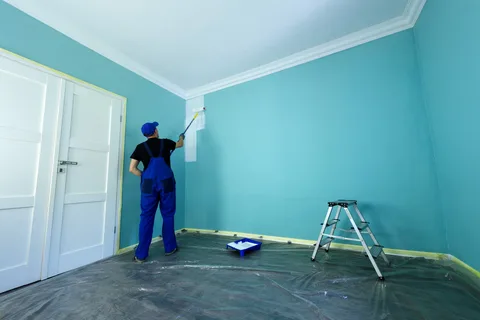
Indoor air quality is a critical yet often overlooked aspect of sustainability. Low-VOC and zero-VOC paints reduce harmful emissions that can linger long after construction.
These finishes protect occupants’ health while offering the same durability and color options as traditional paints. They are now a must-have for responsible custom builds.
Summary:
Low-VOC finishes promote healthier indoor environments. They improve air quality without compromising design.
Recycled Glass and Composite Surfaces
Recycled glass countertops and composite materials combine beauty with sustainability. Made from post-consumer waste, these surfaces reduce landfill impact while offering striking visual appeal.
They are durable, heat-resistant, and easy to maintain, making them ideal for kitchens and bathrooms in custom homes.
Summary:
Recycled composites transform waste into design features. They balance sustainability with modern aesthetics.
Sustainability Through Longevity and Design
True sustainability isn’t just about eco-friendly labels—it’s about building homes that last. Durable materials reduce the need for frequent repairs or replacements, conserving resources over time.
Custom builders who prioritize longevity create homes that age gracefully while maintaining performance. Thoughtful design paired with sustainable materials ensures lasting value.
Summary:
Longevity is a cornerstone of sustainability. Durable materials reduce waste and protect long-term investment.
A Builder’s Narrative of Responsibility
Sustainable materials allow builders to tell a deeper story—one of responsibility, innovation, and respect for the environment. Each material choice reflects values that go beyond aesthetics.
Modern custom homes are no longer defined solely by luxury, but by how thoughtfully they are built. Sustainability has become the new standard of excellence.
Summary:
Sustainable building tells a meaningful story. It reflects craftsmanship rooted in care for people and the planet.
Building the Future, One Material at a Time
The future of custom home building lies in conscious choices. By integrating sustainable materials into every phase of construction, builders shape healthier homes and communities.
Each decision, from framing to finishes, contributes to a larger vision of responsible living. Sustainable materials are not limitations—they are tools for better, smarter, and more inspiring homes.
Summary:
Sustainable materials shape the future of custom homes. They empower builders to create smarter, healthier living spaces.